What is SMS marketing: A detailed guide for ecommerce brands & marketers [2026]

 26 minutes
![What is SMS marketing: A detailed guide for ecommerce brands & marketers [2026]](/_next/image?url=https%3A%2F%2Finternal-blog.replug.io%2Fwp-content%2Fuploads%2F2026%2F01%2FWhat-is-SMS-marketing-A-detailed-guide-for-ecommerce-brands-marketers-2026.png&w=3840&q=100)
Imagine a marketing channel where 98% of your messages actually get opened, and most are read within minutes of being received.
That’s SMS marketing in 2026, and unlike email’s modest ~20–30% open rates, text messages practically guarantee your message gets seen.
For ecommerce brands and marketers wrestling with crowded inboxes and rising ad costs, SMS isn’t just another tactic; it’s the direct line to your audience.
With response rates often above 45% and conversion rates flying into the 20–30%+ range, smart brands are capturing immediate engagement and serious revenue.
If you’ve ever wondered why SMS is suddenly everywhere in digital marketing strategies, you’re in the right place.
Let’s kick things off with a simple question: What exactly does SMS marketing mean?
What is SMS marketing: A brief overview!
“SMS marketing (short message service marketing)” or “text message marketing” is a form of direct digital marketing where brands send promotional, transactional, or relationship-building messages straight to a customer’s mobile phone via text.
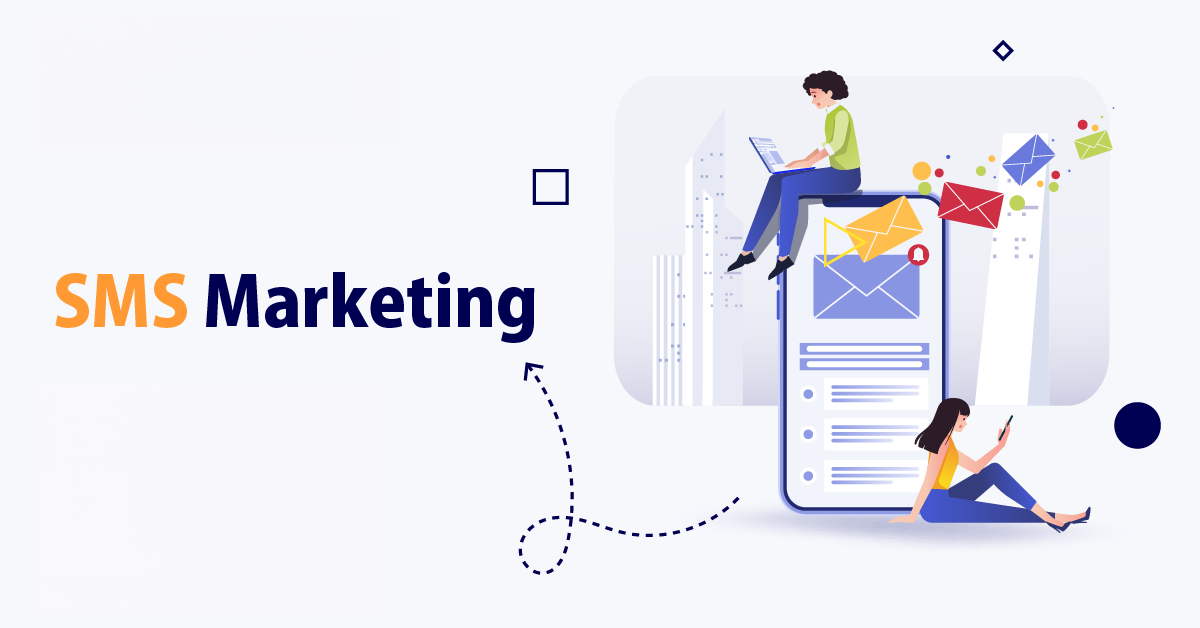
Its main goal is simple: Get the right message in front of the right person at the right time so they take action, whether that’s buying, clicking a link, replying, or staying engaged with your brand.
SMS has become especially valuable for e-commerce brands because it cuts through noise and delivers instantly to users’ most personal device.
Key elements of effective SMS marketing:
- Personalization: Tailoring texts (e.g., using the customer’s name or past behavior) makes messages feel relevant.
- Clear CTA: A simple, direct call to action tells recipients exactly what to do next (e.g., “Shop Now”).
- Urgency/Scarcity: Phrases like “ends tonight” create FOMO and prompt quick responses.
- Value: Every message should offer something worthwhile (discounts, info, updates) so people stay interested.
- Opt-Out: Always include a clear opt-out option so subscribers can unsubscribe easily and remain comfortable with your brand.
Why is SMS marketing so effective and important?
Before we take a step into the specifics, it helps to understand why so many ecommerce brands are leaning hard into SMS these days.
Key reasons SMS works so well:
- Easy to set up & measure: You can launch campaigns quickly, and track opens, clicks, and conversions in real time.
- Lightning-fast texting: Most SMS messages are read within minutes of delivery, making it great for time-sensitive promos.
- ~97–98% open rate: Nearly everyone who receives your text will open it, far above email averages.
- Low-cost & high ROI: SMS often delivers huge returns (e.g., ~$71 for every $1 spent).
- Reach anywhere, seamlessly: Works on all mobile phones, even without an internet connection.
- Can be planned according to your schedule: You decide when messages go out for maximum impact.
- Smooth two-way conversations: Unlike some channels, SMS allows direct replies, making interactions feel natural and personal.
How does SMS marketing work?
At its core, SMS marketing works by sending short, permission-based text messages directly to people’s mobile phones to promote offers, updates, alerts, and other brand-relevant messages.
Because texts land right in the device most of us check first every day, this channel feels personal and immediate, but it only works when done the right way.
In simple terms, you build an opt-in list of people who agree to hear from you, craft concise messages with purpose, and deliver them at the right moment using an SMS marketing platform.
Every message you send should respect the permission people gave you and make it easy to stop if they change their mind.
Here’s how the key pieces fit together in that process:
- Permission-based: You can’t start texting someone just because you have their number. They must explicitly agree to receive marketing texts first.
- Direct & immediate: Messages go straight to the subscriber’s cellphone and are typically read within minutes, making SMS great for time-sensitive info or offers.
- Brief & concise: SMS has limited characters, so the message must be short, clear, and action-oriented to respect the reader’s time.
- Opt-in lists: You collect a list of willing subscribers through checkboxes, signup forms, keyword texts, or pop-ups, and only message those who’ve opted in.
With these fundamentals in place, SMS becomes a powerful tool for keeping your audience engaged and driving real results (without annoying or surprising them).
Types of SMS marketing campaigns
When you start using SMS marketing for your brand, it helps to know that not all text messages are the same.
Different types of SMS campaigns serve different goals, no matter if you’re trying to boost sales, keep customers informed, spark a conversation, or deepen engagement.
Here’s a simple way to understand the main ones many brands use today!
| Campaign type | What it is | Main purpose |
| Promotional SMS marketing campaigns | Short marketing texts that share special offers, discounts, flash sales, or new arrivals. | Encourage purchases or visits by creating excitement and urgency. |
| Transactional SMS marketing campaigns | Automated texts triggered by specific actions like purchases or account activity. | Keep customers informed and build trust with timely updates (e.g., order confirmations, shipping notices). |
| Conversational SMS marketing campaigns | Two-way text exchanges that invite replies and interactions. | Create meaningful back-and-forth communication to answer questions, collect feedback, or provide support. |
| Customer Engagement SMS marketing campaigns | Messages focused on interaction beyond immediate sales (like surveys, loyalty messages, or check-ins). | Strengthen relationships and keep your brand top-of-mind by encouraging ongoing involvement. |
Each of these campaign types plays a unique role in building a complete SMS strategy, from driving revenue to nurturing long-term fans of your brand.
Real-world SMS marketing examples & effective text marketing strategies
SMS marketing isn’t just theory! It’s full of real, high-impact examples that e-commerce brands use every day to boost sales, improve customer experience, and deepen engagement.
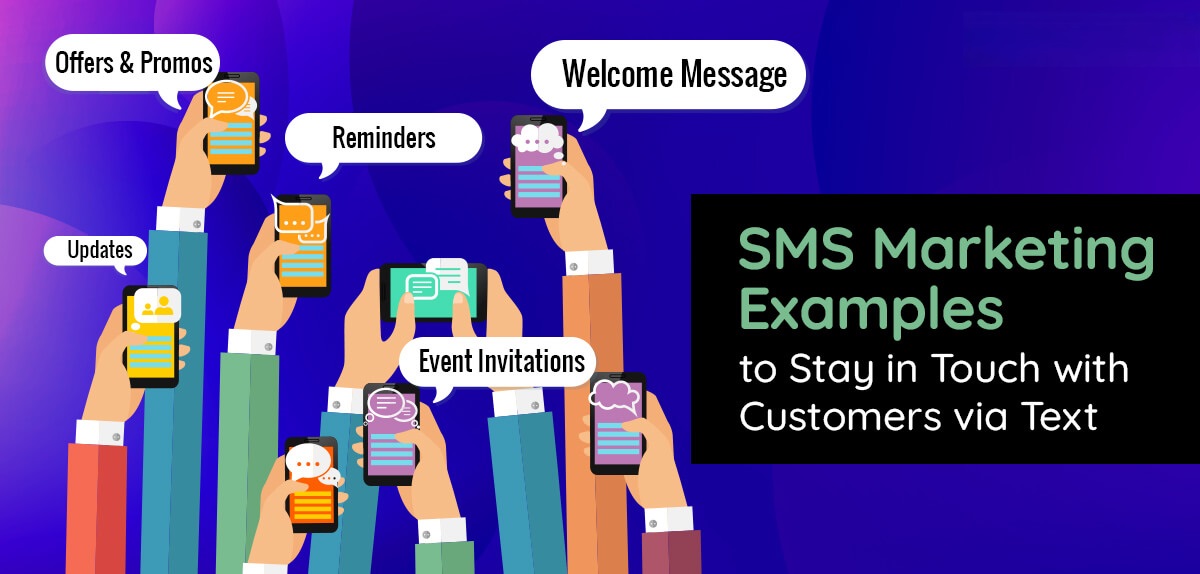
Below are some of the most effective strategies you can start using right now (with real sample messages you can adapt).
Welcome messages
- What it is: A friendly first SMS you send right after someone opts into your list.
- Example: “Welcome to [Brand] 🎉 Thanks for joining us! Use code WELCOME25 for 25% off your first order: [link].”
- Why it works: It makes the subscriber feel valued, sets expectations, and encourages that first purchase.
Abandoned cart reminders
- What it is: A timely nudge to shoppers who left items in their cart.
- Example: “Hey [Name]! 🛒 Looks like you left something behind. Complete your order now: [cart link].”
- Follow up: “Still thinking it over? Get 10% off if you check out in the next 4 hours!”
- Why it works: SMS reminders can recover a meaningful portion of abandoned carts because they catch customers while intent is still high.
Flash sales & promotions
- What it is: Quick announcements about limited-time deals.
- Example: “⚡ Flash Sale! 30% off EVERYTHING for the next 6 hours. Don’t miss out: [link].”
- Why it works: SMS’s instant delivery makes it perfect for short, urgent promotions that drive fast action.
Product launches
- What it is: Text alerts that share news about new products or collections.
- Example: “Just launched! 🚀 Our new Luxe Hoodie is live — Grab yours before they sell out: [link]”
- Why it works: SMS builds excitement and gives early-access vibes, especially when targeted at engaged subscribers.
Personalized offers (birthdays/anniversaries)
- What it is: Messages that celebrate a subscriber with a unique deal.
- Example: “Happy Birthday, [Name]! 🎂 Enjoy 20% off today only. Use code BDAY20: [link].”
- Why it works: Personal touches make customers feel appreciated and more likely to convert.
Order & delivery updates
- What it is: Transactional texts that keep buyers informed about their purchase.
- Example: “Great news, your order #12345 has shipped! 📦 Track it here: [link].”
- Follow up: “Your package is out for delivery! See ETA: [link]”
- Why it works: These build trust and reduce support questions because customers know exactly what’s happening with their order.
Event invitations
- Example: “Hey [Name]! 🎉 Join us for Summer Style Night this Friday at 7 PM — drinks, giveaways & exclusive deals! RSVP here: [link]”
- Why it works: Sends clear details + a link to confirm, boosting attendance and creating buzz around the event.
Loyalty program updates
- Example: “Hi [Name]! You’ve earned 500 loyalty points! Redeem them for a $10 reward on your next purchase: [link] 💳”
- Why it works: Shows value earned and pokes customers to use rewards, keeping them engaged and buying again.
Feedback requests
- Example: “Thanks for your recent order! 🙌 Got a minute? Tell us how we did here: [survey link]. We’d really appreciate it!”
- Why it works: A simple ask + a quick survey link encourages responses and helps improve future experiences.
Drive sales online or in-store
- Example: “Exclusive offer — 20% off today only! 🛒 Use code SHOP20 online or show this text in-store to save: [link].”
- Why it works: Provides a clear discount and flexibility to shop anywhere, driving both foot traffic and online orders.
Food & beverage industry
- Example: “Craving tacos? 🌮 Get 15% off orders over $20 today only. Show this SMS at checkout or order here: [link]”
- Why it works: Taps into hunger & exclusivity, making the offer feel personal and timely for casual diners.
Real estate industry
- Example: “Open House at 123 Maple Ave — Sat, 1–4 PM 🏠 See this beautiful 3 BR home and enjoy refreshments! More details: [link].”
- Why it works: Provides essential property event details and a link for more info. Ideal for busy homebuyers.
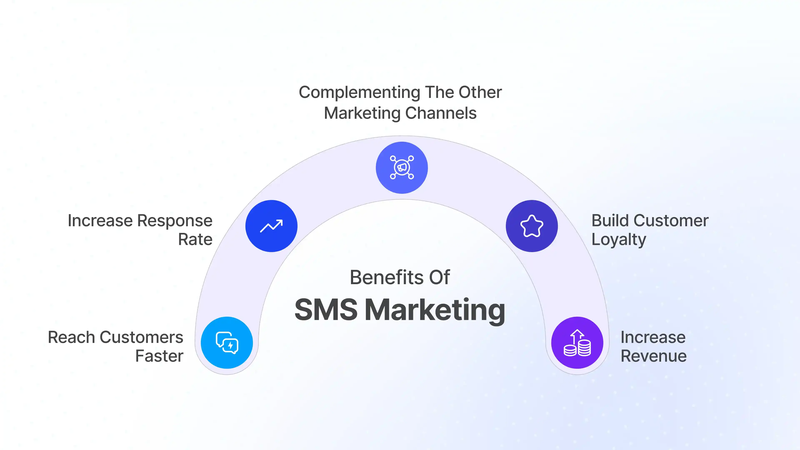
Amazing benefits of SMS marketing
SMS marketing isn’t just a buzzword anymore! It’s one of the most reliable and high-impact channels brands can use today.
Because text messages are short, direct, and delivered straight to people’s phones, brands see stronger engagement and measurable results compared with many other digital marketing channels.
📈 Expanded reach & higher visibility + engagement
SMS messages boast ~98% open rates, which means almost everyone on your list actually sees what you send (far higher than email). This reach makes it easier to get attention and spark action.
🔁 Quick & increased response/conversion rates
Because people read texts fast (often within minutes), SMS drives higher response and conversion rates than email or many other channels.
💰 Swift, measurable ROI
SMS marketing has one of the best returns of any channel. Brands often see dozens of dollars in return for every dollar spent, and platforms make it easy to track performance.
📊 High click-through rates & revenue
Click-through rates for SMS are often multiple times higher than email, meaning more people click your links and convert on the go.
💸 Cost-effective approach
Sending SMS campaigns usually costs just a few cents per message, making it affordable even for smaller brands and businesses while still delivering strong results.
⏱️ Top-notch for time-sensitive offers
Because texts are read quickly, SMS is ideal for flash sales, limited-time promotions, or urgent alerts that require immediate attention.
🤝 Reaches customers faster & builds loyalty
SMS lets you deliver personalized updates and relevant offers quickly, helping to build closer customer relationships over time.
💬 Seamless direct & personalized communication
Texts feel personal and conversational, and customers are more likely to interact with messages that speak directly to their preferences.
🔗 Complements email for better results
Using SMS alongside email boosts performance even more. Combining channels often leads to higher overall engagement and ROI than using email alone.
🤖 Effortless automation & integration in an omnichannel marketing strategy
Modern SMS marketing tools integrate easily with CRMs, email platforms, and ecommerce systems so you can automate flows (like cart reminders or delivery updates) without manual work.
SMS marketing best practices
When it comes to SMS marketing, doing it right matters just as much as doing it at all. Following proven best practices helps you stay compliant with the law, respect your audience, and achieve the best results from your campaigns.
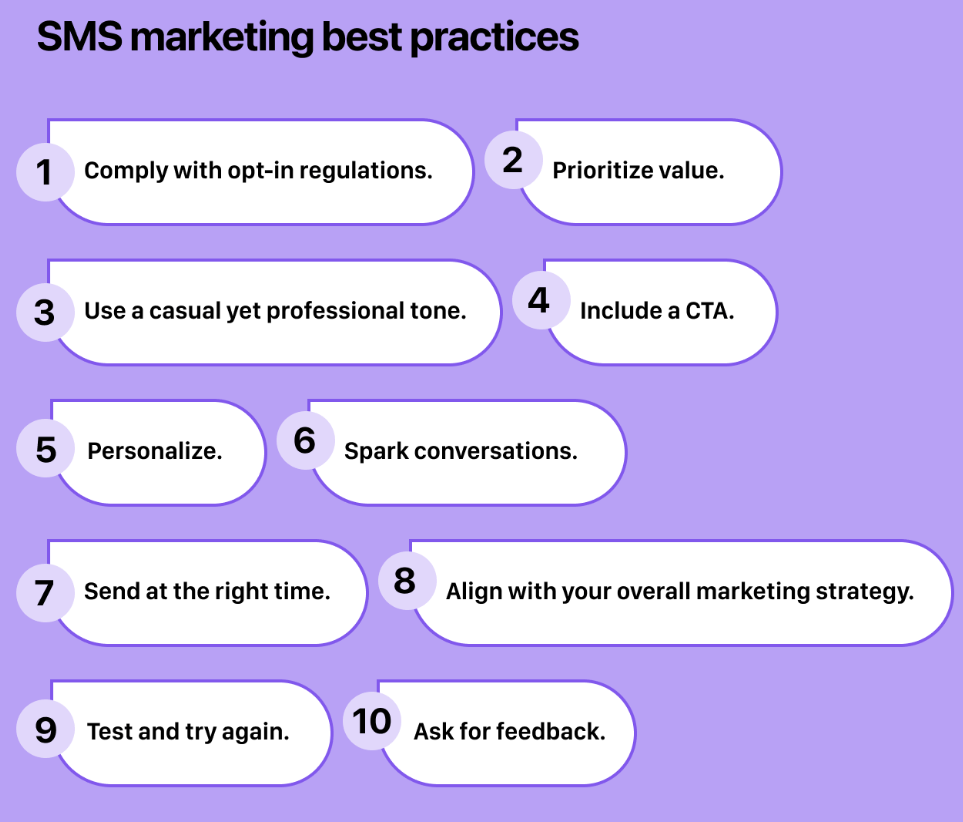
Here’s a clear, friendly breakdown of the top tips that will help you build trust and drive engagement with every text you send. 👇
Keep messages brief and to the point
SMS has a natural limit (usually 160 characters before it splits), so make your message short, clear, and focused on what you want the reader to do next.
Inform customers how often they’ll be contacted
Be transparent about frequency when they sign up (e.g., “1–2 messages per week”) so subscribers know what to expect and don’t get surprised or annoyed.
Include your company’s name in your SMS
Start by clearly identifying and introducing your brand in each message so recipients immediately know who is texting them.
Ensure your contacts have opted in to SMS
Only send SMS to people who have explicitly agreed to receive them, often through a checkbox, form, or keyword opt-in.
Must offer an opt-out option
Every message should include a clear way to unsubscribe (like “Reply STOP to unsubscribe”), and you should honor opt-outs immediately.
Time your SMS strategically
Respect your audience’s time above all else! Avoid sending texts too early or too late, and schedule messages when your customers are most likely to read them (often mid-morning or early evening).
Create fear of missing out (FOMO)
Using urgency (e.g., “Ends tonight!”) makes messages feel timely and pushes readers to act sooner rather than later.
Lead with a discount and test discount levels
Starting with a clear offer or discount gets attention, and testing different levels helps you find what resonates best with your audience. But don’t overuse this strategy; otherwise, it comes across as spammy.
Always add a clear call-to-action (CTA)
Tell subscribers exactly what you want them to do next (e.g., “Shop now,” “Claim offer,” “Reply YES”), so there’s no guesswork.
Build a consistent SMS marketing strategy
Plan your campaigns with purpose. Map out flows, timing, and how they’ll support your broader marketing goals for better long-term results.
Pick the right SMS marketing tool
Choose a platform that supports automation, compliance, analytics, segmentation, and easy opt-out handling. It’ll save you time and headaches along the line.
Adhere to SMS marketing laws (privacy laws & regulations)
Follow regulations such as TCPA (in the US) and GDPR (in Europe), as well as carrier rules, by obtaining consent, honoring opt-outs, and adhering to timing and frequency limits. Being compliant protects you legally and builds trust.
Top-notch SMS marketing use cases
SMS marketing is one of the most direct and effective ways to reach people because text messages have super-high open rates and are read almost instantly.
It’s not just about blasting offers; you can use SMS for sales, engagement, operational updates, and even internal business communication.
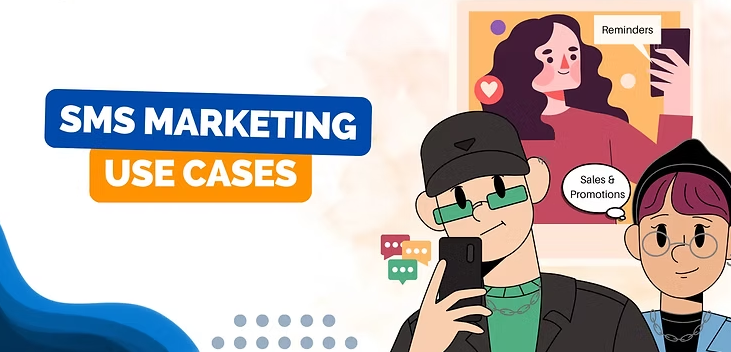
Promotional & sales
SMS is perfect for quickly grabbing your audience’s attention when you want to boost sales and make offers that feel urgent.
Brands often send out flash sale alerts, discount codes, new product launch news, and exclusive deals that are only available to text subscribers.
Because most people read texts within minutes of receiving them, these messages create a sense of urgency and drive immediate action, like “24-hour flash sale! Use code FLASH25” or “Just dropped: new collection live now — shop here!”
Customer engagement & support
SMS is great for keeping customers connected and engaged beyond just making a purchase.
You can set up a welcome series to introduce new subscribers to your brand and perks, send abandoned cart reminders to bring shoppers back to finish checking out, and collect feedback and opinions through surveys.
Loyalty programs also work pretty well. Think messages about points, rewards, or VIP perks.
The channel also supports two-way conversations and quick customer service, so people can reply to asked questions or get help in real time.
Personalization is key here! A simple, friendly SMS feels like a message from a friend, not a robot.
Transactional & operational
Keep in mind that not all SMS marketing has to be about selling. A huge value area is transactional and operational messaging.
This includes order confirmations and shipping updates, so customers know exactly where their purchase is in the delivery process.
You can also send appointment reminders (great for healthcare, salons, consulting services, etc.) and internal alerts for staff or operational systems, helping teams stay on track without needing email or separate apps.
These practical messages help reduce confusion, cancellations, and support calls.
Industry-specific examples
Different industries use SMS in smart ways tailored to their primary goals and objectives:
- Retail: Back-in-stock alerts, promo codes, and seasonal sales messages drive immediate interest.
- Healthcare: Appointment reminders and follow-ups reduce no-shows and keep patients informed.
- Travel & hospitality: Flight updates, booking confirmations, and guest service chat options improve experiences.
- Finance: Alerts for suspicious activity, payment due notices, and account updates.
- Non-profit: Campaign reminders and donation drives via quick text links help boost engagement.
These specific examples show how flexible SMS can be, whether you’re selling products, serving patients, supporting travelers, or fundraising.
B2B & internal
One more thing you guys must know is that SMS isn’t just for consumer audiences. It can also support business-to-business and internal communication.
In B2B, SMS can be used for lead nurturing by sending timely follow-ups or drip messages that guide prospects through the sales funnel.
It’s also handy for internal comms like team alerts or updates, and sharing content like links to reports, webinars, or resources.
Because texts are short and direct, they’re especially useful when you need quick responses or confirmations from busy professionals.
Common challenges of SMS marketing
SMS marketing is powerful because it’s direct and gets seen quickly, but it does come with its own set of real-world hurdles that you’ll want to be aware of before stepping in.
Here’s a friendly breakdown of the main challenges most businesses face with this marketing technique:
- Need a direct opt-in from the customer: You have to get clear permission from customers before sending them marketing texts (they must opt in first). This protects their privacy and keeps you on the right side of laws like the TCPA and GDPR, but it can slow down how quickly your list grows.
- Compliance & regulations: SMS is highly regulated. You need to follow rules about consent, opt-out options, and sometimes even when you can send messages. Breaking these rules can lead to fines, legal trouble, or unhappy customers, so sticking to regulations is a must.
- Deliverability: Just because you send a message doesn’t mean it lands in someone’s inbox. Things like carrier filters, invalid numbers, and poor formatting can prevent delivery, wasting effort and hurting engagement.
- Message saturation & fatigue: People unsubscribe or tune out if they get too many texts. Finding the right balance is tricky (too frequent and you annoy, too rare and you lose relevance), but it’s important to avoid overloading subscribers.
- Limited space (160 characters): SMS has a strict character limit, so you must be concise and clear. That’s great practice, but it can also make it quite hard to fit everything you want to say in one message.
- Relevance & personalization: Sending generic texts just won’t prove beneficial at all. To keep people engaged, your messages need to feel relevant and personal. That means good segmentation and thoughtful content; otherwise, people tune out or unsubscribe.
- Timing & frequency: Getting the timing right matters the most! Send a message when your audience is asleep, and it’s likely to be ignored. Too many messages, too soon, and you risk fatigue; too few, and you may miss golden opportunities.
- Measuring ROI: Tracking direct results from SMS can be harder than with email or paid ads. Without the right tools or techniques, like trackable links or unique promo codes, it’s tough to say how much revenue a text really drove.
- Spammy perception: Since SMS is so personal, people can quickly see messages as snooping if they’re irrelevant or too frequent. That leads to opt-outs and can hurt your brand identity if you’re not careful with how often and what you send.
- Room for only one message & one CTA: With space so limited, you can fit only one clear message and one call to action phrase. That can be a good discipline, but it also means your strategy needs to be extra sharp. You can’t stuff a bunch of offers or complex info into a single text.
Proven solutions against these challenges
Even though SMS marketing comes with its fair share of challenges, there are some clear and practical solutions that help you get better results, stay compliant, and keep your audience happy, without making things complicated.
- Double opt-in: Using a double opt-in means subscribers confirm twice. First, when they sign up, then again by replying to a confirmation message. This makes sure people truly want your texts and reduces spam complaints and legal risks.
- Clear opt-out: Always include an easy way for people to unsubscribe (like “Reply STOP to unsubscribe”). Making opt-out simple shows respect for your audience and helps you comply with the rules & regulations.
- Personalization & segmentation: Instead of slamming everyone with the same thing, break your audience into groups (based on interests, behavior, or past purchases) and tailor messages to each group. Personalized texts feel more relevant and help boost engagement.
- Concise & actionable copy: Since SMS messages have limited space, keep your text short, clear, and focused on one main action. A strong call to action right up front helps readers know exactly what to do next.
- Conversational/two-way messaging: Letting subscribers reply to your SMS opens the door to real conversations rather than one-way shots. Encouraging replies, whether for confirmations, feedback, or questions, makes your brand feel more authentic and engaging.
- A/B testing & data analysis: Testing different versions of your messages (like wording, timing, or offers) and watching what works best helps you fine-tune your campaigns over time. Using data instead of guesswork leads to smarter, more effective SMS marketing.
Who should use SMS marketing services?
SMS marketing works well for many kinds of organizations because it gets read fast and reaches people right on their phones.
Here’s a simple look at the types of businesses and groups that can benefit most from using SMS.
E-commerce stores & retail
Online shops and retail stores can use SMS to share flash sale alerts, back-in-stock notifications, discount codes, and order updates. It’s especially useful for driving quick purchases and reminding customers about things like abandoned carts.
Healthcare & wellness organizations
Clinics, wellness centers, and health practitioners use SMS for appointment reminders, prescription updates, health tips, and follow-ups, which helps reduce missed appointments and keeps patients informed.
Hospitality & travel companies
Hotels, travel agencies, and airlines often send booking confirmations, check-in instructions, reminders, and special travel deals via SMS. It helps guests feel supported and informed throughout their journey.
Food & beverage industry
Restaurants, cafés, and food delivery businesses send daily specials, reservation reminders, loyalty offers, and delivery updates through SMS to keep customers engaged and coming back.
Service businesses
Salons, spas, financial service providers, and other service-focused businesses can use SMS for appointment reminders, service updates, reminders, and promos. It’s a quick way to reduce no-shows and stay connected with clients.
Educational institutes
Schools, colleges, and training centers use SMS to send class reminders, exam schedules, fee due alerts, announcements, and important updates to students and parents.
Large-scale organizations
Bigger companies across industries, from corporate teams to logistics firms, use SMS for internal alerts, employee updates, system notifications, and large audience communication where speed and reach matter.
Non-profits & more
Non-profits and community groups use SMS to share fundraising appeals, event invites, volunteer updates, and campaign news, making it easier to rally support quickly.
How to set up SMS marketing messages: A step-by-step guide!
Setting up your SMS marketing the right way helps you get results without annoying people or breaking rules.
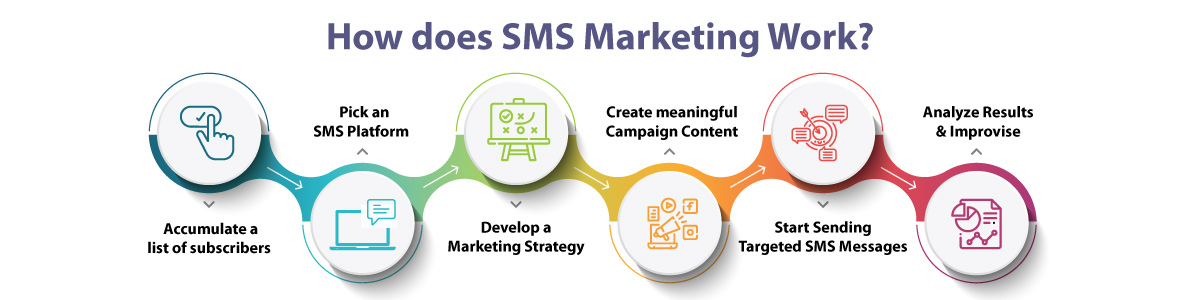
Below is a simple, step-by-step breakdown you can follow easily.
Step #01: Make a list of opt-in subscribers
Start by building a list of people who actually agreed to receive your texts. This means clear consent through forms, keywords, QR codes, or checkout checkboxes.
Make sure you explain what they’re signing up for and follow legal requirements like opt-out instructions.
Step #02: Design a plan for the entire customer journey
Think about the full experience someone will have with your SMS messages, from the first welcome text to reminders, offers, and follow-ups.
Plan which messages go out at which points, so your communication feels natural and helpful, not random.
Step #03: Customize your content accordingly
Write messages that match what each group on your list needs or wants. Keep texts short, clear, and personable, and use the recipient’s name or past behavior when you can.
Note: Personalized content performs much better than generic content!
Step #04: Optimize your campaigns
Before sending to everyone, test different versions of your texts. Try sending at different times, and check if some offer wording or links work better.
Note: Small tweaks like timing or phrasing can make a big difference over time!
Step #05: Analyze & report
After your messages go out, review the data (such as delivery rates, click rates, and opt-outs) to see what worked and what didn’t.
Use these insights to improve your next round of texts and make your campaigns even more effective.
Top 10 reliable SMS marketing software & tools
If you want your SMS marketing for small business or big brand outreach to really work, picking the right software matters most.
From simple bulk SMS marketing tools to the best email and SMS marketing platforms, these top picks make it easier to send texts, automate flows, engage customers, and grow sales, no matter if you’re on Shopify or running promos.
1. SimpleTexting
SimpleTexting is a super user-friendly bulk SMS marketing platform built for small businesses and beginners. It offers mass texting, scheduling, automated follow-ups, and integrations so you can send promotions, reminders, and surveys with ease.
2. SlickText
SlickText makes building subscriber lists and running campaigns simple with drag-and-drop automation, keywords, pop-ups, and segmentation. Great for growing engagement and managing bulk SMS marketing without a steep learning curve.
3. Textmagic
Textmagic is ideal for flexible messaging needs with a pay-as-you-go system, global delivery, email-to-SMS, and two-way texting. A superb choice if you want cheap SMS marketing or occasional campaigns without long contracts.
4. Klaviyo
Klaviyo combines SMS marketing and email in a single dashboard, helping e-commerce brands use data to personalize SMS and automate flows for cart abandonment and purchase follow-ups. Its deep integrations also make it a strong choice for Shopify SMS marketing.
5. Twilio
Twilio is a developer-friendly service with APIs that let you build custom SMS solutions, automated campaigns, and integrations. Excellent if you want full control and SMS marketing for a small business with tailored workflows.
6. EZ Texting
EZ Texting stands out for its low-cost SMS marketing and straightforward setup. With bulk texting, automation, templates, and contact management, it’s a solid option if you want free SMS marketing trial options and easy scheduling.
7. Omnisend
Omnisend is one of the best email and SMS marketing platforms that unifies SMS with email and push campaigns. It’s great for eCommerce brands looking for automation, segmentation, and multi-channel messaging from a single platform.
8. Postscript
Postscript is especially noteworthy for Postscript SMS marketing on Shopify. It offers advanced segmentation, automation triggers, opt-in tools, and analytics to turn SMS into a revenue driver for online stores.
9. Attentive
Attentive focuses on attentive SMS marketing with AI-powered personalization, segmentation, and scale. It helps brands craft targeted journeys and build richer conversations that boost engagement and conversions exceptionally.
10. Mailchimp
Mailchimp lets you integrate Mailchimp SMS marketing with your existing email campaigns, giving you a single platform for multi-channel messaging, automated triggers, and engagement tracking. The ideal option if you already use Mailchimp for email marketing.
Together, these tools cover everything from bulk SMS marketing for beginners to paid enterprise-grade automation, helping you stay connected with customers in ways that fit your budget and goals.
Why Replug is the best SMS marketing platform online in 2026!
If you’re serious about SMS marketing in the USA or comparing SMS marketing companies or organizations online, Replug stands out in 2026. It doesn’t just help you send texts; it lets you turn links inside those messages into powerful engagement drivers.
Replug’s SMS links feature lets you create short, branded, trackable links that fit comfortably in text messages, improve click-through rates, and boost trust by replacing messy, long URLs with clean, custom links.
On top of that, Replug gives you real-time analytics, UTM tracking, retargeting pixels, A/B testing, and branded free domains so you can actually measure and optimize performance.
Unlike many tools that only send messages, Replug helps you track clicks, analyze campaigns, and extend your reach beyond the inbox.
Whether you’re running bulk SMS marketing campaigns, connecting with customers on Shopify, or building more in-depth audience insights, Replug makes every message work harder for you. And that’s why it’s the top pick among marketers at present!
Summing up!
As you can see, SMS marketing isn’t just another buzzword. It’s a practical, high-impact way to reach customers directly, boost engagement, and grow sales when done right.
You now know what this marketing technique is, how it works, the different campaign types you can run, real-world examples, key benefits, best practices to follow, and even top use cases and tools to get started.
With a clear setup process and the right platform (like Replug with its SMS links), SMS becomes a reliable part of your marketing mix. No matter if you’re a small online shop or a large brand, adding text messaging to your strategy gives you an edge in staying connected and driving brilliant results.
Frequently asked questions
Is SMS marketing good or not?
Yes, SMS marketing is very good and effective. It offers high open and engagement rates, reaches people quickly, and is cost-effective compared with many other channels. Texts are usually read almost immediately after delivery, making SMS a strong channel for timely updates and offers.
How to make money with SMS marketing?
You can make money by offering promotional messages, exclusive deals, or time-sensitive offers that drive customers to buy or take action. Businesses also profit by using targeted campaigns or selling SMS services to other companies, charging setup and management fees.
What is the least cost of SMS marketing?
SMS marketing can be very affordable, often around $0.01–$0.05 per message in the U.S., plus any platform subscription costs. Bulk plans or low-volume options can further reduce prices, making it accessible even for small budgets.
What is the best time to send messages?
The best time for sending SMS is generally between 10 AM and 8 PM in your audience’s time zone, with peak engagement often around midday or early evening. Avoid early mornings or late nights for higher open and response rates.
How do I measure the success of my SMS marketing campaigns?
Track metrics like delivery rates, open rates, click-through rates, conversions, and opt-outs. Using your SMS platform’s analytics or A/B tests helps you understand what works and continuously improve future campaigns.
What is an example of an SMS marketing template?
A simple, effective template could be:
“Hi [Name]! Flash Sale — 20% off today only. Tap here to shop now: [link]”
Messages like this are short, include a clear offer, and offer a direct call to action.
What is SMS personalization?
SMS personalization means tailoring your text messages to individual customers using their data, such as name, past purchases, location, or behavior. This is to make the message feel relevant and personal rather than generic. It helps increase engagement, build customer trust, and drive better campaign results.
How do you pair your SMS marketing with email marketing?
You pair SMS with email by using both strategically. Use SMS for quick, time-sensitive alerts (like flash sales or reminders), and email for longer, more detailed content.
Sync data between both channels so interactions are relevant and cohesive, and use one channel to reinforce the other (e.g., email first, follow up with a text).
How to measure the ROI of SMS marketing?
To measure SMS ROI, compare the revenue your campaign generates against what you spent sending it.
Track sales linked to unique codes or links in your texts, subtract costs (platform fees and message costs), then divide profit by cost and multiply by 100 for a percentage.
Most SMS campaigns yield a high return due to strong engagement and conversions.
What are the SMS marketing benchmarks by industry for 2026?
In 2026:
– Open rates for SMS remain very high (often ~95–98%),
– Click-through rates vary by industry (around 8.9–14.5% for many sectors), and
– Placed order rates for campaigns sit around 1.0–2.0% or higher for high performers.
Unsubscribe rates under ~1.4% are considered healthy.
How can SMS marketing work for your business?
SMS marketing works by letting you send direct, permission-based messages that customers will likely see quickly (such as offers, reminders, updates, or alerts).
Because texts land straight in someone’s pocket and have high open rates, they help increase engagement, drive sales, and boost customer satisfaction when used thoughtfully and sparingly.
What are the key features to consider when choosing an SMS marketing tool?
Look for features like:
– Contact management & segmentation,
– Bulk SMS & mass messaging,
– Automation workflows,
– Personalization & dynamic content options,
– Deliverability tracking,
– Two-way messaging,
– Compliance & opt-in/opt-out tools,
– Scheduling & timing control,
– API support & integration with other systems (like email/CRM),
– Ease of use & support, and
– Analytics & reporting
to measure performance and improve campaigns over time.