SMS marketing best practices to follow in 2026: A practical guide for business & marketing professionals!

 21 minutes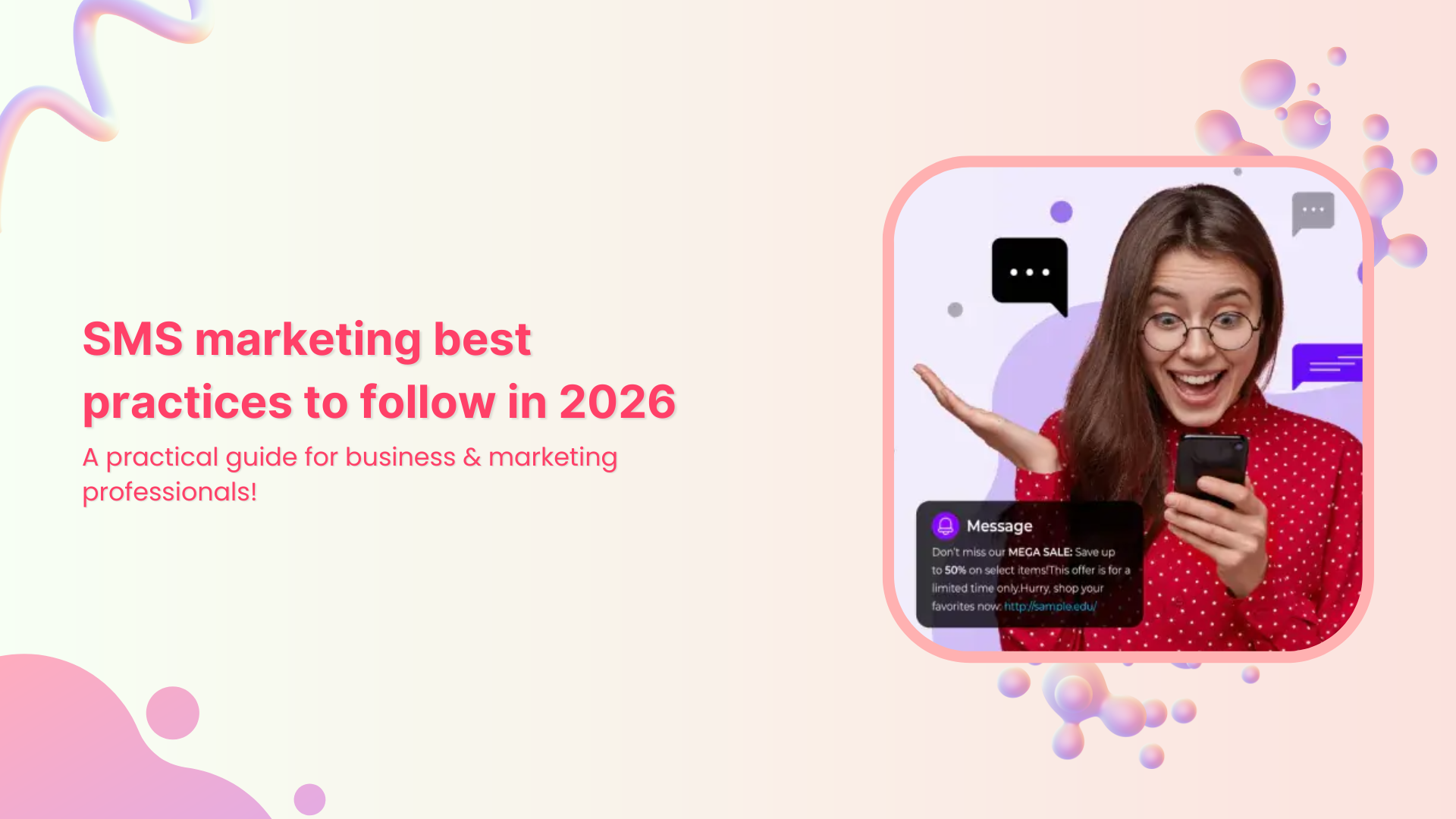
In 2026, SMS marketing isn’t just another buzzword. It’s one of the few channels that still gets attention!
Imagine this: upwards of 98% of text messages are opened, often within minutes of being delivered. A level of visibility few other channels can touch.
Businesses are seeing response rates around 45% and click-through rates between 21–35% or more, dramatically outpacing email and push notifications.
What does that mean for you?
Faster engagement, clearer ROI, and campaigns that actually move the needle!
In a world where audiences are crushed with noise, SMS offers clarity and connection. So, before we step into best practices, let’s start with the basics: What exactly is SMS marketing?
What is SMS marketing: Meaning & definition
SMS marketing (short message service marketing) is a simple, permission-based way for businesses to send short text messages to customers who’ve opted in (sharing promotions, alerts, reminders, or updates right to their mobile phones).
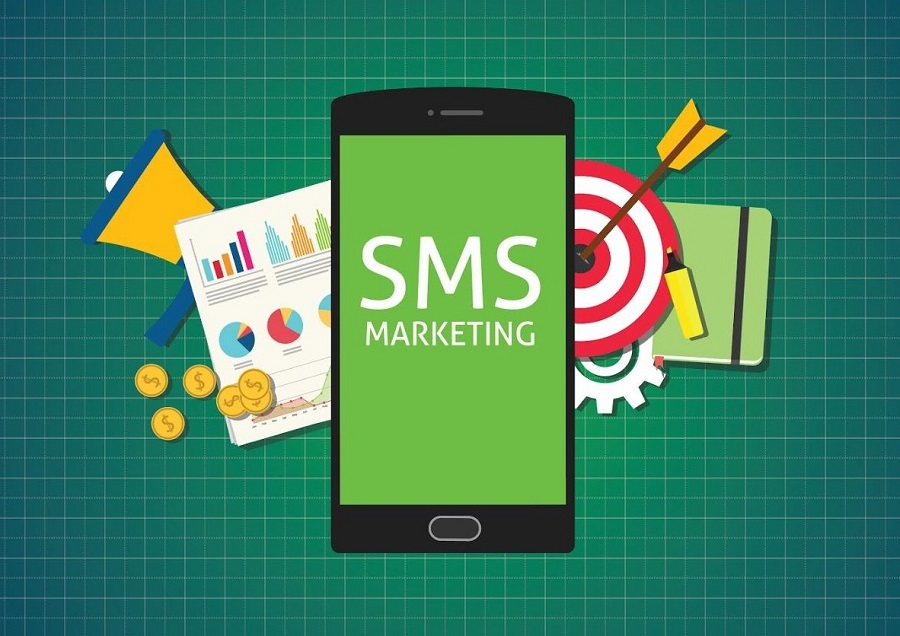
Its main goal is to boost engagement and sales by reaching people quickly and personally in a channel they check constantly, often within minutes of delivery.
Is SMS marketing effective? Importance of this marketing technique, explained!
When done right, SMS marketing really works, and the numbers back it up. With open rates hovering around 98% and most texts read rapidly, it’s one of the quickest ways to reach your target audience.
Why SMS marketing matters:
- 📱 Instant visibility: Nearly every text gets seen (far more than email).
- 🔄 High engagement: Response and click-through rates often beat traditional channels.
- 💡 Boosts conversions: Consumers act on offers and reminders faster via SMS.
- 💰 Great ROI: Many businesses earn significantly more than they spend on SMS campaigns.
In short, SMS still deserves a solid spot in your 2026 marketing mix, for both reach and real results. 📊
45 SMS marketing best practices to achieve a better conversion rate
To level up your SMS campaigns and drive better conversions, you need the right habits and tactics in place.
Below are key practices that lay the foundation for more effective, compliant, and engaging text messaging.
1. Get explicit permission
Always ask people to clearly agree to receive your marketing texts before you send anything. This protects you legally and ensures your list consists of people who actually want your messages, leading to higher engagement and fewer complaints.
2. Use keywords for easy opt-ins
Give users simple keyword prompts (like “JOIN” or “YES”) they can text to subscribe. Using memorable, SMS-related keywords makes it easy to grow your list and gives potential subscribers a clear way to signal their interest.
3. Use a double opt-in strategy
Once someone signs up, have them confirm their choice (e.g., reply “YES” to a confirmation message). This extra step guarantees your list is full of real, engaged subscribers and reduces accidental adds or spam reports.
4. Be concise & valuable
Text messages are short by nature, so make every word count. Keep your SMS messages tight, focused on value (like offers or updates), and include a clear call to action so subscribers know exactly what to do next.
5. Personalize content
Personalized messages (using names, past purchases, or preferences) feel more relevant and human. This kind of tailoring helps your audience care about your texts and boosts the chances they’ll act on them.
6. Segment audiences
Always remember that not every subscriber is the same, and they shouldn’t be treated the same way. Break your list into groups based on things like purchase history, behavior, or interests so your messages feel relevant to each person.
Note: Targeted SMS gets more engagement and better conversion rates than sending a single generic message to everyone.
7. Promote responsibly
Respect your audience by sending only useful, well-timed texts. Too many messages can annoy subscribers and increase opt-outs, so stick to a sensible frequency and always provide value with each SMS. Being thoughtful builds trust and keeps people engaged in the long term.
8. Add a clear call to action (CTA)
Every SMS should tell people exactly what you want them to do next, whether it’s “Shop now,” “Claim your deal,” or “Reply YES to join.” A strong CTA removes doubt and drives immediate action, turning readers into buyers.
9. Must create urgency & FOMO
Use time-sensitive language like “today only,” “ends at midnight,” or “limited stock” to spark urgency and FOMO (fear of missing out). SMS is the perfect technique for quick bursts of excitement that push people to act now rather than later.
10. Lead with a discount
Starting with a compelling offer (especially a good discount) gives subscribers a reason to act right away. Exclusive or subscriber-only deals make people feel valued and can significantly increase response and conversion rates.
11. Build a welcome message
When someone joins your SMS list, send a friendly welcome message right away. It confirms they’re subscribed, sets expectations about what you’ll send and how often, and starts the relationship on a good note. This makes them more likely to feel special and stay engaged.
12. Provide an easy opt-out option
Always tell subscribers exactly how to stop receiving messages (like “Reply STOP to unsubscribe”). Making this clear and simple respects their choice, builds trust with your audience, and is also an industry standard practice.
13. Watch your tone & support multiple languages
Keep your messages friendly and appropriate for your brand. If you’re serving people who speak different languages, consider sending texts in their preferred language. This makes your messages feel personal and respectful.
Note: Supporting multiple languages can significantly improve engagement and avoid confusion.
14. Include multimedia in your SMS
Text messages don’t have to be plain text only. You can use MMS to send images, short videos, GIFs, or rich links that make your message more eye-catching and engaging. It is especially helpful for product highlights or announcements.
15. Respond promptly to comments/replies
If subscribers reply to your texts, try to respond quickly. Two-way SMS builds real conversations, improves customer experience, and can turn questions into conversions faster, showing your brand cares about what they say.
16. Mind your timing & frequency
Sending SMS at the right time matters more than you think. Avoid late nights or early mornings and stick to regular hours that respect the recipient’s day (e.g., 8 a.m.–9 p.m. local time). This improves engagement and keeps people from getting annoyed or opting out.
Note: Don’t message too often; too many texts can feel spammy and lead to higher opt-out rates.
17. Show off your brand authentically
Your SMS messages are an extension of your brand. Use your real brand voice so people instantly recognize you and feel a connection. Authenticity builds trust, makes your texts more memorable, and helps set the tone for future interactions.
18. Send SMS regularly & add variety
Consistency keeps your audience engaged. Don’t disappear for weeks and then flood them with messages. But mix up what you send: promotions, updates, helpful tips, or exclusive content. Variety keeps your contacts interested and less likely to ignore your texts.
19. Make your content RVU
Your messages should feel worth their time. That means they’re relevant to the person, offer clear value (a deal, info, or insight), and aren’t just the same old canned text. Unique, tailored content keeps engagement high.
20. Maintain compliance with laws & regulations
Follow the SMS marketing rules! Laws like TCPA, GDPR, and CAN-SPAM protect consumers and set clear requirements around consent, timing, and data handling. Staying compliant isn’t just legal protection; it shows respect for your subscribers and prevents fines or blocked messages.
Note: Always get proper consent and handle data responsibly.
21. Build trust & avoid spam reports
Trust is huge in SMS marketing because people are far too sensitive about their phones. Only text subscribers who’ve consented, use clear sender names, and send relevant content.
Note: When messages feel wanted and useful, people are much less likely to mark them as spam, and carriers are less likely to block your campaigns.
22. Prioritize mobile optimization
SMS is a mobile-first channel, so everything you send should look and work great on smartphones. Keep texts short, use concise links, and test how messages display on different devices. This makes your content easier to read and act on!
23. Talk like an actual human being
People subscribe to texts because it feels personal, not robotic. Write like you’d text a friend: short, natural sentences and a friendly tone. That makes your messages more relatable and engaging.
24. Incorporate emojis & images where they fit in naturally
Adding an emoji (👍) or a small image can make a message pop and convey emotion quickly. However, just don’t overdo it! One or two emojis that match the message’s mood or purpose go a long way without distracting from the main point.
25. Schedule your SMS marketing campaigns in advance
Plan ahead so your messages go out on the right days and don’t bunch up unexpectedly. Scheduling ensures you maintain steady engagement, align with launches or holidays, and avoid overwhelming your audience.
26. Send contacts what you promised at first
Always deliver on what you promised when someone signed up, such as a discount, a freebie, or special content. If people feel like they’re getting exactly what they expected, trust and engagement stay high.
Note: Subscribers stick around longer when your texts match their expectations.
27. Align your SMS around your email marketing & social media
Your SMS messages should work alongside your emails and social posts, not in isolation. Syncing campaigns keeps messaging consistent and reinforces your offers or announcements across channels, making it easier for customers to remember and act on them.
28. Offer exclusive deals & quality incentives for engaging
Make people feel special by giving SMS-only deals, early access, or unique perks they won’t get elsewhere. Exclusive value provides real motivation to opt in and enhances conversions because subscribers know they’re getting something worthwhile from your texts.
29. Make automations to simplify your SMS marketing efforts
Automation lets you set up flows (like welcome messages or behavior-triggered offers) so texts go out at just the right time without manual work. This saves time and keeps your messaging timely and relevant, even when you’re busy with other stuff.
30. Use a reliable SMS marketing tool
Choosing a solid SMS marketing platform is key! It keeps your campaigns running smoothly, helps with scheduling and segmentation, and certifies better delivery rates. A good tool also makes compliance and analytics much easier to handle.
31. Integrate in an omnichannel & multichannel strategy
SMS works best when it’s part of a bigger marketing ecosystem (alongside email, social media, push notifications, and more). Coordinating your messaging across channels creates a smooth, consistent experience for customers and reinforces your campaigns at every touchpoint, helping you meet them where they already are.
32. Integrate SMS with your marketing tech stack
Connecting SMS to your CRM, analytics tools, ecommerce platform, or loyalty system keeps customer data in sync and unlocks smarter automation and personalization. This makes campaigns easier to manage and confirms your texts reflect real-time customer behavior.
33. Collect & use customer real-time data
Use real-time customer data, such as recent browsing history, purchase history, or engagement triggers, to tailor your SMS messages. This data-driven approach helps you send texts that are relevant and timely, boosting engagement and conversions exceptionally.
34. Create a consistent SMS marketing strategy
Don’t just text randomly! Plan a strategy that defines your goals, timing, messaging style, audience segments, and measurement plan. Consistency keeps subscribers engaged and helps you measure what’s working and what’s not.
35. Actively build & grow your SMS subscribers list
Your campaigns are only as strong as your list. Use opt-in incentives, mobile-friendly signup forms, social and email promotion, and keyword campaigns to grow your list steadily with people who actually want to hear from you
36. Must differentiate email from SMS
It’s super important to treat SMS and email as distinct tools, not the same thing with different names. Using SMS like email (long paragraphs, heavy visuals) kills engagement, and using email like SMS (too short without context) underuses its potential. Knowing when to use each facilitates your conversion chances big time.
37. Make your subscribers feel special & connect with them on a deeper level
Personalization goes beyond just names. Tailor texts based on past behaviour, preferences, or exclusive early perks to make subscribers feel truly valued. Relevant, human-sounding messages resonate more and boost engagement and conversions.
38. Talk back with two-way texting
Letting people reply to your messages turns a broadcast into a conversation, increasing engagement and trust. Two-way SMS also gives you instant feedback and insights straight from your audience.
39. Find the right texting rhythm
Keep in mind that timing matters; too many texts can annoy people, and too few can make you forgettable. Test send times and limit frequency so you’re helpful (not spammy), respecting daily routines and preferences.
40. Test, measure, automate, and optimize campaigns
A/B testing, or split-testing different CTAs, timing, or message styles, reveals what truly resonates with your audience, so you aren’t guessing. Pair that with automation and analytics to refine campaigns continually and make each send more effective than the last.
41. Offer real-time customer support
Let subscribers know they can text you and get help back fast. SMS isn’t just for blasts; it’s a support channel too. Allowing real-time replies or automated keyword responses lets customers resolve problems quickly, increasing trust and conversions.
42. Collect customer feedback to enhance strategy
SMS is great for short, immediate feedback because people read and reply quickly, giving you honest insights you can act on. Asking simple rating or one-question surveys after interactions helps you refine offers, messaging, and support.
43. Integrate QR codes for seamless access
QR codes make it dead easy for people to scan and go straight to opt-in forms, SMS keywords, landing pages, or offers without typing a thing. This bridges offline and online touchpoints, enhances engagement, and gives you measurable conversion data.
44. Provide value in every SMS sent & focus on the present
Every text should give people something they care about, like timely deals, useful info, or relevant updates; otherwise, they’ll tune out. Focusing on what’s immediately helpful (today’s offer, this week’s support tip) keeps your messages fresh and appreciated.
45. Convert more via popups
Smart on-site pop-ups that ask for phone numbers (with a clear benefit like a discount or early access) can dramatically grow your SMS list and conversions. These pop-ups catch attention at the right moment and turn casual visitors into engaged subscribers fast.
Do’s & don’ts for SMS marketing
SMS marketing is one of the most effective ways to reach customers, but it works only if you respect people’s space, expectations, and time.
The key is to send messages that feel helpful and welcomed, while steering clear of practices that frustrate your audience or violate rules.
| Do’s (What You Should Do) | Don’ts (What to Avoid) |
| Do have a clear reason to use SMS instead of email. Only choose SMS when it adds value or urgency (like flash deals or instant alerts). SMS is inherently more immediate than email, but use it only when speed and brevity matter. | Don’t send anything people didn’t specifically agree to. Messages must match what subscribers opted in for, marketing versus updates, etc. Otherwise, it feels unsolicited. |
| Do get permission for a specific purpose. Make sure customers know exactly why they’re signing up and what kinds of texts they’ll receive. Clear consent builds trust and stays compliant. | Don’t ignore time zones when sending. Messages sent at odd hours (like early morning or late night) can feel intrusive and lower engagement. |
| Do keep your message short. SMS has a character limit, and shorter content is easier to read quickly. Get straight to the point! | Don’t use slang or confusing abbreviations. Avoid shorthand that might not be clear to everyone. Simplicity beats confusion. |
| Do personalize messages as much as possible. Use names or relevant details so messages feel tailored, not generic. | Don’t annoy your subscribers with too many messages. Over-messaging leads to significant opt-out rates and fatigue. |
| Do give clear instructions on how to opt out. Let subscribers know how to stop receiving texts. “Reply STOP” works well and keeps things compliant. | Don’t forget to introduce yourself. Always identify your brand or business so people know who’s texting them, very clearly. |
| Do stay away from marketing jargon and “spammy” language. Keep the tone natural and conversational. This feels more respectful and less pushy. | Don’t send too many sales-only pitches. Constant promotional texts get old fast; mix in value and helpful info too. |
| Do limit how often you send messages. Frequency should match what subscribers expect. Too frequent and you overpower; too rare and you lose relevance. | Don’t overwhelm your recipients with texts. Even if they opted in, flooding inboxes quickly leads to unsubscribes. |
| Do leverage MMS for enhanced content. When appropriate, use images or rich media to make messages more engaging than plain text alone. | Don’t send texts that just redirect to another page. If the SMS itself doesn’t provide value, people tune out quickly. |
| Do avoid pitfalls and be creative. Think about what makes your brand stand out and avoid common traps like vague copy or unclear calls to action. | Don’t make fake or misleading claims. Deceptive content undermines trust and can violate regulations, leading to penalties. |
| Do start your texts with a show-stopper. Grab attention early. Strong openings help your message stand out in a crowded inbox. | Don’t send irrelevant or off-message content. If it’s not useful or expected, people won’t pay attention. |
Common SMS marketing mistakes to avoid
When you skip the basics of good SMS etiquette or strategy, you can easily lose trust, hurt engagement, or even face complaints.
Below are some of the most frequent pitfalls and why they matter:
- Avoid text-speak or overdone slang. Using too many shortcuts or teen-style talk makes your message look unprofessional or confusing, especially to a broad audience.
- Don’t sound robotic or like a long email. SMS should be short and natural; long-winded, formal copy feels awkward and gets skipped.
- Watch out for spam triggers. Messages that feel generic, use all caps, have weird formatting, or just contain links can be flagged as spam and ignored.
- Never text contacts who have unsubscribed. If someone opts out, remove them immediately. Continuing to text them hurts trust and can violate regulations.
- Don’t send texts without a clear goal. Simply bombarding people with messages because you can results in irrelevant content they dislike. Every SMS should have a purpose.
- Avoid sending texts in the middle of the night. Late-night messages feel pushy and raise opt-out rates.
- Don’t ditch your other channels entirely. SMS is great, but it shouldn’t replace all communication. Email, social media, and other channels still have their role.
- Never promise offers you can’t deliver. Making big claims you don’t follow through on erodes trust and can quickly cost you subscribers.
- Don’t ignore customers who reply. If people take the time to respond, leaving them hanging makes your brand seem uncaring and unprofessional.
- Avoid sending SMS from your personal phone. Using a dedicated business platform ensures everything is tracked, organized, and compliant (not lost in your personal inbox).
Pros and cons of SMS marketing
Text message marketing is a super direct way to reach people on their phones with offers, alerts, or updates. It has plenty of advantages, but there are some drawbacks and limitations too.
Let’s break them down in a clear, simple table!
| Pros (Why It’s Great 😊) | Cons (Things to Think About ⚠️) |
| Reach customers immediately. Texts show up right in their inbox, usually read within minutes. | Limited space. You’ve only got a brief message to work with, which can make it challenging to explain complex stuff. |
| Increased customer engagement. People reply or act more often compared to some other channels. | Intrusiveness. Because SMS is personal, too many texts can feel like an interruption if not done thoughtfully. |
| Create unbeatable personalization. You can tailor messages based on what each person likes or does. | Compliance risks. There are strict laws about consent and how you send messages, and breaking them can cause serious trouble. |
| Get an analytics boost. Most SMS marketing tools show you opens, clicks, and other useful stats. | Saturation. If everyone starts texting too often, people might tune out or delete messages without reading. |
| Leverage interactive content. You can ask people to reply or choose options right in the SMS. | Less visual. Standard SMS doesn’t support pictures or videos, so you’re limited to text-only. |
| Cost-effective & strong ROI. Typically cheaper than many types of advertising and drives good results. | Management overhead. Keeping lists clean, timing messages, and staying compliant all take ongoing work. |
| Time-sensitive & versatile. Great for flash deals, reminders, and urgent updates. | |
| Automation. You can schedule and trigger texts automatically based on behavior. | |
| Build relationships. Regular, relevant messages help keep your brand top of mind. | |
| No internet needed. Texts can reach anyone with a mobile phone, even without data. |
What is the future of SMS marketing?
SMS marketing isn’t going away; it’s evolving.
In the next few years, we’ll see text messaging become even more personal and interactive. Thanks to innovative AI tools that tailor messages based on what customers actually like and do.
Rich media formats (like pictures and buttons) will start appearing in messages, making them feel more like app chats than plain text.
SMS will also tie into broader marketing mixes, working alongside email, social, and app channels to deliver seamless customer experiences.
At the same time, two-way conversations and automation will make texts feel more like real chat than one-way blasts.
Rules around privacy and consent will remain important, too, so brands will need to be clear and respectful in how they message people.
Generate short links for SMS with Replug!
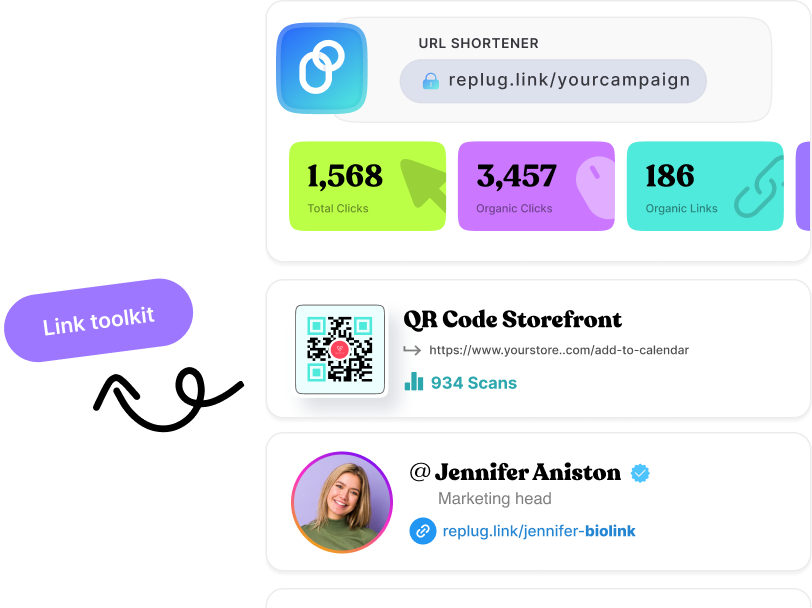
Replug.io is an all-in-one link management platform that includes a special feature specifically for SMS marketing called “SMS links.”
With this, you can take long URLs and turn them into clean, short, branded links that fit perfectly into text messages. This not only saves precious character space but also makes you look more professional and trustworthy to your audience.
Replug lets you track every click in real time, add your own custom domain, and even retarget people across other channels like Facebook and Google using retargeting pixels.
All of this makes SMS campaigns more effective and measurable than just pasting messy URLs into texts.
If you care about boosting engagement and getting better results from your SMS marketing, Replug’s link tools are one of the smartest ways to do it.
Wrapping up
As we’ve seen, SMS marketing in 2026 is more than just “another channel.” It’s a high-impact way to reach people where they actually engage, with open rates often near 98% and conversion rates far beyond what email delivers.
From understanding what SMS marketing really is to mastering text message marketing best practices, avoiding common mistakes, and balancing pros and cons, you now have a solid roadmap to craft campaigns that actually work.
When you align SMS with your broader marketing mix, focus on value and consent, and plan thoughtfully, you’re setting yourself up for real momentum and stronger customer relationships.
Keep testing, keep learning, and let your SMS strategy grow with your brand!
Frequently asked questions
Should I use SMS marketing for my business?
If you want a direct, fast, and high-engagement way to reach customers, SMS is worth considering. With open rates around 90–98% and much better responses than email, it’s especially useful for time-sensitive offers, reminders, and promotions (as long as your audience is open to receiving texts from you).
Are there any rules to SMS marketing?
Yes, in most places you must obtain explicit consent before sending marketing texts, include a clear opt-out option, and comply with privacy laws such as the TCPA (US), GDPR (EU), and similar regulations. These rules protect customers and help you avoid fines or legal trouble.
Is SMS marketing expensive?
Generally, it’s very cost-effective. Each message usually costs just a few cents, yet the high engagement rates often deliver great ROI. Tools and platforms vary in price, but SMS remains one of the cheapest ways to reach people directly.
What risks are associated with SMS marketing?
Risks include legal penalties for breaking consent or opt-out rules, annoying subscribers with too many messages (leading to opt-outs or spam reports), and occasional delivery issues due to incorrect numbers or carrier filters.
How long should an SMS marketing message be?
Keep it short and to the point. Stay within 160 characters if possible. That keeps costs down and ensures your message reads cleanly on phones. Use links for extra detail.
What is a good CTR and open rate for SMS marketing?
Aim for an open rate of 90–98% and a click-through rate (CTR) of 15–30% or higher. If your CTR is well below that, you might need to refine your timing, targeting, or message content.
How to choose an SMS marketing platform that works for your needs?
Pick a platform that integrates smoothly with your other marketing tools (email, CRM, etc.), so you can coordinate campaigns and share customer data easily.
Check how easy it is to migrate your existing contacts, whether it helps you stay compliant with rules, supports advanced automation, and fits your budget.
Good onboarding and responsive support matter too. You don’t want to be stuck without help!
What are some of the most advanced SMS marketing techniques?
Once you’ve mastered the basics, go to the next level by:
– Creating fully automated SMS campaigns that send texts triggered by actions like sign-ups or purchases.
– Adding SMS chatbots so customers can interact or get answers automatically.
– Integrating SMS with your other marketing channels for a seamless brand experience.
– Creating SMS landing pages that give subscribers a tailored destination when they click links.
When to use SMS vs. email?
Use SMS for urgent, time-sensitive messages (like flash sales, reminders, shipping alerts) because texts get seen fast. Email is better for longer content, storytelling, and detailed updates. Often, using both together, like launching with email and reminding with SMS, gets the best results.
What are the 5 key SMS metrics to track?
Focus on metrics that show real impact:
1. Time saved: Automation reduces manual work.
2. Responses: How many replies do you get?
3. Revenue earned: $$$ generated from your campaigns.
4. Appointments kept: How many scheduled actions were followed through.
5. Stress reduced: Easier campaign management and fewer surprises.
These align with common KPIs such as delivery, open, CTR, and conversion rates that indicate campaign health.
How to improve the SMS marketing strategy in 2026?
To build a successful SMS marketing strategy in 2026:
1. Start with clear goals and a strong opt-in list, then segment your audience so messages feel relevant.
2. Use automation and personalization to send timely texts, integrate SMS with other channels, and keep testing different messaging, timing, and offers.
3. Monitor results (opens, clicks, conversions) and refine based on what works.
4. Focusing on value and relevance will keep engagement strong.