Think about the last time you chose one product over another, not because it was cheaper or better-spec’d, but simply because you trusted the brand. You’re not alone!
Research shows that 81% of consumers need to trust a brand before making a purchase, and consistent brand presentation alone can increase revenue by up to 23%. That’s the quiet power of brand marketing working behind the scenes.
No matter if you’re catching up on the latest brand marketing news or building a strategy from scratch, one thing is quite clear: brands that invest in how they’re perceived don’t just survive competitive markets; they dominate them.
So, what actually makes a brand work?
It all starts with understanding what a brand really means in marketing, and that’s exactly where we’re headed next.
What is a brand in marketing?
A brand is more than just a logo or a catchy tagline; it’s the overall perception people have of your business. It includes your name, visual identity, tone of voice, values, and the feeling customers get every time they interact with you.
In marketing, the primary goal of a brand is to build recognition and trust. When done right, it helps people instantly know who you are, what you stand for, and why they should choose you over everyone else.
Simply put, your brand is your reputation!
What is brand marketing?
Brand marketing is the process of promoting your business as a whole, not just a single product or service.
It’s about shaping how people perceive you, building a strong identity, and creating a lasting impression that sticks with your audience long after they’ve seen your ad or visited your website.
The core objective?
To build a brand that people recognize, trust, and keep coming back to, because in today’s crowded market, familiarity wins.
Major goals of brand marketing
Brand marketing isn’t a one-size-fits-all game; it serves several important purposes. Here’s a quick breakdown of what it’s actually trying to achieve:
- Build brand awareness: Before anyone can love your brand, they need to know it exists. Brand marketing puts you on people’s radar so that when they need what you offer, your name is the first one that comes to mind.
- Establish brand identity: This is about defining who you are: your visual style, your tone, your core values, and what sets you apart. A strong identity makes you instantly recognizable and gives your audience something consistent to connect with.
- Foster emotional connection: People don’t just buy products; they actually buy feelings. Brand marketing helps you tap into emotions, making your audience feel understood, inspired, or aligned with what you stand for.
- Generate trust & authority: A brand that shows up consistently and delivers on its promises naturally earns trust over time. And once people trust you, they’re far more likely to choose you over a competitor they’ve never heard of.
- Drive loyalty & advocacy: The ultimate goal to achieve is turning one-time buyers into loyal fans who not only keep coming back but also recommend you to others. Word-of-mouth is powerful, and strong brand marketing is what sparks it.
Why is brand marketing important?
In a world where consumers are bombarded with thousands of messages every day, brand marketing is what makes people stop, notice, and actually care about your business.
Here’s why it matters more than ever:
Creates instant recognition
When your branding is consistent and memorable, people start recognizing you without even thinking for a second, just like you’d spot a friend in a crowd. That instant familiarity is what keeps you top of mind when a buying decision needs to be made.
Builds credibility & reliability
A well-marketed brand signals to people that you’re legit. When your messaging, visuals, and values stay consistent over time, customers start seeing you as dependable, and dependable brands are the ones people trust with their money.
Enables premium pricing
Ever wondered why people happily pay more for certain brands even when cheaper alternatives exist?
Strong brand marketing creates perceived value. When people believe in your brand, price becomes less of a barrier because they’re not just buying a product; they’re buying into what your brand represents.
Core elements of a brand marketing strategy
A solid brand marketing strategy doesn’t just happen by accident; it’s built on a few key building blocks that work together to create something people actually connect with.
Let’s break them down:
Brand purpose & vision
This is your “why,” the reason your brand exists beyond just making money. When your purpose is clear and genuine, it gives your audience something meaningful to rally behind, and it keeps your entire marketing effort pointed in the right direction.
Target audience understanding
You can’t market to everyone, and trying to do so is a recipe for being ignored by everyone. Knowing exactly who your audience is (their needs, habits, and pain points) helps you speak their language and show up in the right places at the right time.
Brand positioning & USP
This is about carving out your own space in the market and being crystal clear on what makes you different. Your unique selling proposition (USP) tells people why they should choose you over the competition, and a strong position makes that answer obvious.
Brand voice & personality
Think of this as how your brand “sounds” and “feels” across every piece of content you put out. Whether you’re funny, bold, warm, or professional, consistency in tone builds familiarity, and familiarity builds trust.
Brand identity & storytelling
Your visual identity (logo, colors, typography) is what people see, but your story is what makes them feel something. Together, they create a complete picture of who you are and give your audience a reason to remember and care about your brand.
Omnichannel execution
A great brand strategy means showing up consistently across every platform your audience uses (social media, email, website, ads, and beyond). The experience should feel seamless no matter if someone discovers you on Instagram or lands on your homepage for the first time.
How to create a winning brand marketing strategy
Building a brand marketing strategy might sound intimidating at first, but when you break it down step by step, it’s really just about making smart, intentional decisions about how you want your brand to show up in the world.
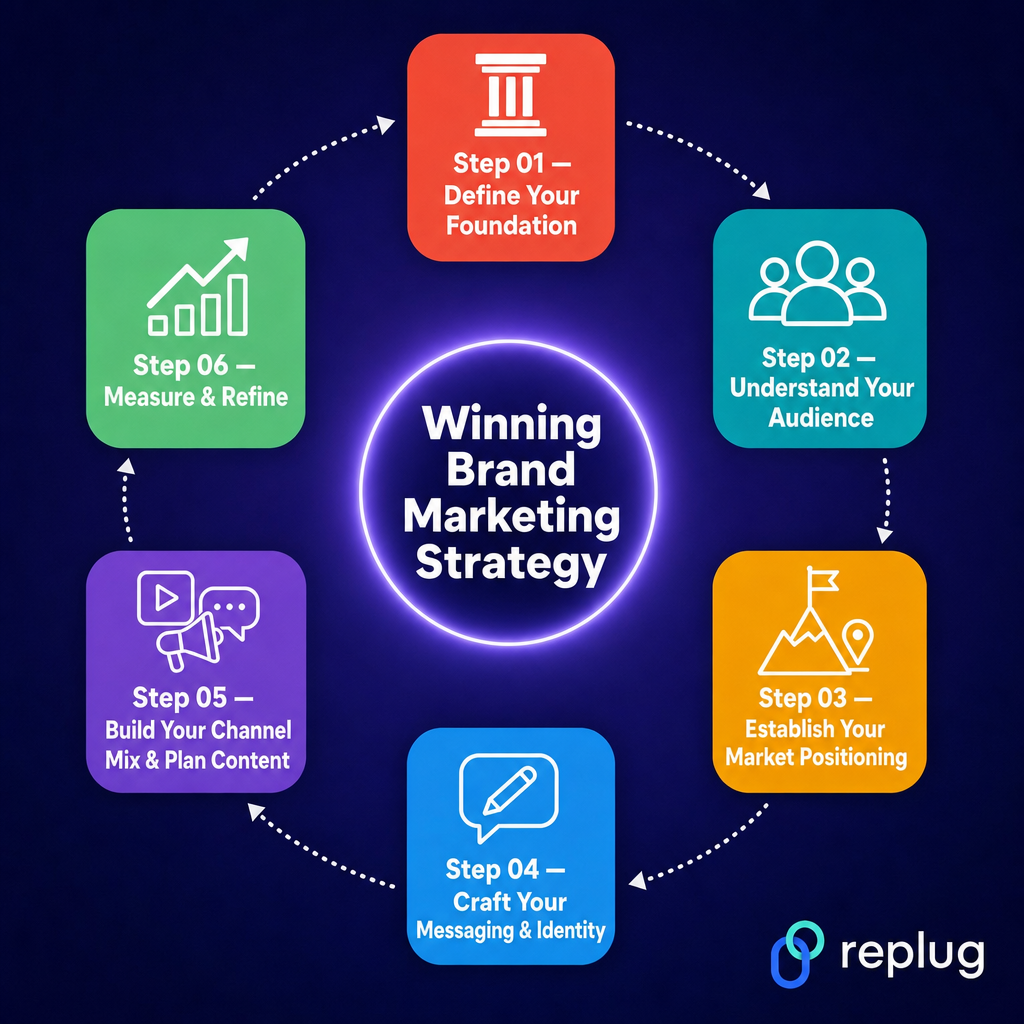
Here’s exactly how to do it:
Step #01: Define your foundation
Every strong brand starts with a clear foundation. Know your “why,” what you stand for, and the kind of personality you want to project.
Your purpose is what drives you, your values are what guide your decisions, and your personality is what makes you relatable and human to your audience. Get these three things right, and everything else becomes a lot easier to build on.
Step #02: Understand your audience
Before you craft a single message, you need to know exactly who you’re talking to. Break your audience into segments based on demographics, behaviors, or interests, and then dig deeper to understand what problems they’re trying to solve.
When you know their pain points inside out, you can position your brand as the solution they’ve been looking for.
Step #03: Establish your market positioning
Take a good look at your competitors: what are they doing well, where are they falling short, and most importantly, where does your brand fit in?
From there, define your Unique Value Proposition (UVP): the one clear reason why someone should choose you over everyone else. Your positioning is essentially your brand’s permanent address in the market.
Step #04: Craft your messaging & identity
This is where your brand starts to come alive visually and verbally. Your visual identity (think logo, color palette, and typography) is what people see, while your brand voice and tone are how you communicate across every touchpoint.
Both need to feel consistent and aligned, because together they create the overall impression your brand leaves on people.
Step #05: Build your channel mix & plan content
Not every platform is right for every brand, so be intentional about where you show up. Pick the channels where your audience actually spends their time, and then build a content strategy around what will genuinely engage and add value for them.
A focused, well-planned approach on fewer channels will always outperform a scattered presence everywhere.
Step #06: Measure & refine
A brand marketing strategy is never really “done”. It needs to be tracked, reviewed, and improved over time.
Set SMART goals (Specific, Measurable, Achievable, Relevant, Time-bound) from the start so you always know what success looks like, and regularly analyze your data to see what’s working and what needs adjusting.
Always remember, the brands that grow are the ones that never stop learning from their results!
Effective brand marketing examples
The best way to understand brand marketing is to see it in action. Here are five campaigns from some of the world’s biggest brands, and the lessons you can take from each one:
Nike: “Just Do It”
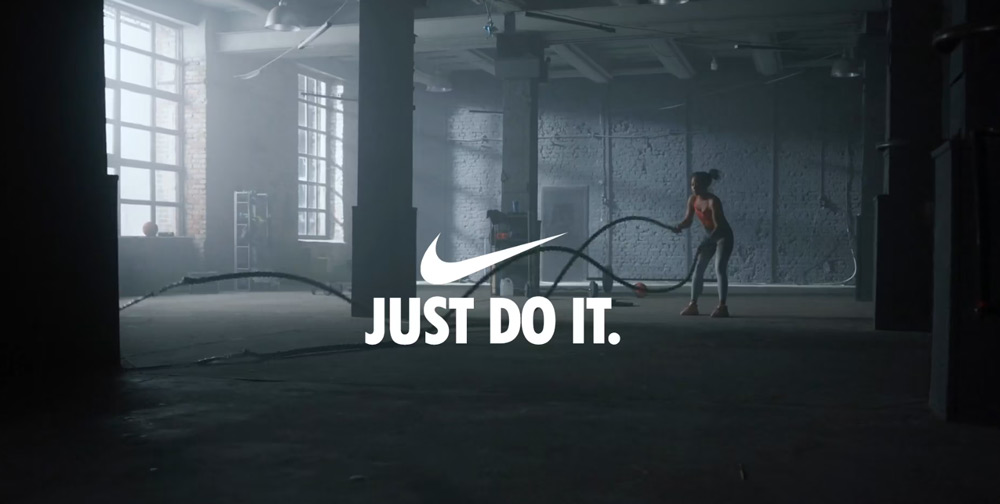
Strategy: Launched in 1988, Nike shifted the focus away from selling shoes and instead sold a mindset, i.e., the idea that anyone, regardless of skill level, can push through and just get it done. The campaign used real, relatable storytelling featuring everyday people, not just elite athletes.
Why it worked: Nike’s domestic sport shoe market share jumped from 18% to 43%, while global sales climbed from $877 million in 1988 to $9.2 billion by 1998. People didn’t just buy into a product; they bought into an identity. When your message taps into a universal human truth, it sticks for decades.
Coca-Cola: “Share a Coke”
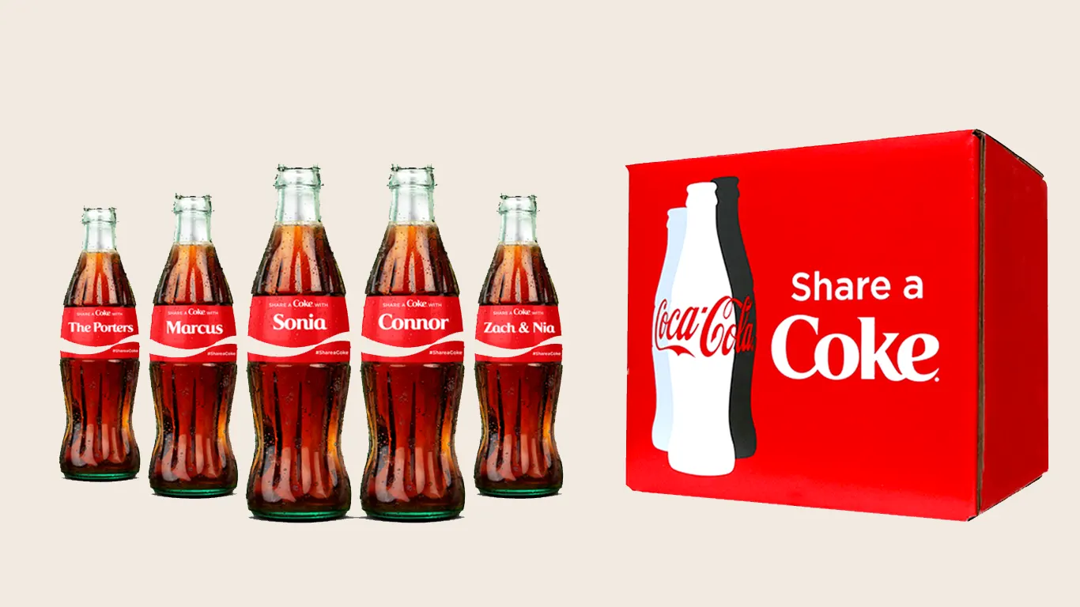
Strategy: In 2011, Coca-Cola replaced its iconic logo on bottles with 150 of the most popular first names, encouraging people to find a bottle with their name (or someone they care about) and share it. The campaign leaned heavily on personalization and social sharing.
Why it worked: The campaign drove a 7% increase in young adult consumption and a 2% increase in U.S. sales, reversing a decade of declining revenue, and eventually expanded to over 70 countries. It turned a simple purchase into a personal, shareable moment. The ultimate proof that making your audience feel seen goes a long way.
Apple: “Get a Mac”

Strategy: Running from 2006 to 2009, Apple’s campaign featured two characters: A cool, laid-back “Mac” and a stiff, frustrating “PC” having short, witty conversations that highlighted why Macs were simply the better choice. Simple staging, sharp humor, and a clear message!
Why it worked: Mac’s market share quadrupled in just three years, jumping from 5% to 23%, and Apple saw a 39% jump in sales by the end of the first year. The campaign made a technical comparison feel fun and relatable, and that’s what turned casual viewers into actual buyers.
Google: “Year in Search”

Strategy: Every year, Google compiles the most searched topics of the year into a short emotional film (from global news to cultural moments) and packages it into a beautifully crafted video that mirrors the collective human experience of that year.
Why it worked: The 2022 campaign alone racked up nearly 300 million views on YouTube, and the campaign consistently strengthens Google’s brand perception by connecting the search engine to feelings of togetherness and unity. It’s a masterclass in turning data into emotion without pushing a single product.
Duolingo: “TikTok Cultural Hijack”

Strategy: Instead of running polished ads, Duolingo handed its TikTok presence to a 23-year-old social media manager and let its green owl mascot, “Duo,” go completely unhinged. It jumped on trending memes, poked fun at its own notifications, and acted more like a chaotic internet personality than a corporate brand.
Why it worked: Duolingo grew its TikTok following to over 16 million, and daily active users surged from 4.9 million in 2019 to over 80 million by late 2024. It proved that authenticity and humor (even absurd humor) can outperform expensive traditional marketing, especially when your audience is Gen Z.
Also check out: Learn the art of branding: 5 best branding examples
Top brand marketing tools
Having the right tools in your corner can make a huge difference in how effectively you build and market your brand. Here’s a quick breakdown of the best tools across different categories:
Visual & content creation
- Canva is one of the most beginner-friendly design tools out there. It comes loaded with thousands of templates for social media graphics, presentations, logos, and more. Whether you’re a solo marketer or a full team, Canva makes it easy to produce on-brand visuals without needing any design background.
- Contentpen is an AI-powered blogging platform that handles research, writing, SEO optimization, and publishing, all in one place. It supports brand voice controls, team collaboration, and CMS integrations, making it a solid pick for teams that need to produce consistent, high-quality content at scale without slowing down.
SEO & competitive intelligence
- Semrush is a go-to tool for brands that want to dominate search. It covers keyword research, competitor analysis, site audits, backlink tracking, and content optimization, all under one roof. It’s especially useful when you want to understand what your competitors are ranking for and how to outrank them.
- Ahrefs is another SEO powerhouse, particularly loved for its backlink analysis and keyword explorer. It gives you a clear picture of your website’s authority, what content is driving traffic for your competitors, and where your biggest growth opportunities lie. A great tool for shaping a long-term brand visibility strategy.
Social media management
- Hootsuite lets you manage all your social media accounts from a single dashboard. You can schedule posts, monitor brand mentions, track performance analytics, and engage with your audience, without jumping between platforms. It’s a time-saver for brands managing multiple channels at once.
- ContentStudio brings publishing, analytics, engagement, and content discovery into a single unified dashboard, with an “AI Studio” that generates captions, hashtags, and images from a single prompt. It’s particularly well-suited for agencies and teams managing multiple brands who need everything organized in one place.
AI & generative research
- ChatGPT is a versatile AI assistant that can help with brainstorming campaign ideas, drafting copy, researching topics, writing social captions, and a whole lot more. It’s become a go-to tool for marketers looking to speed up their creative and research workflows without sacrificing quality.
- Claude is Anthropic’s AI assistant, built with a strong focus on nuanced understanding and thoughtful responses. It’s particularly good for long-form content, strategy documents, summarizing research, and tasks where you need well-reasoned, human-like output. This makes it a smart addition to any brand marketer’s toolkit.
Automation & CRM
- HubSpot is one of the most comprehensive marketing platforms available. It combines CRM, email marketing, automation, content management, and analytics all in one place. For brands that want to align their sales and marketing efforts and keep track of every customer interaction, HubSpot is hard to beat.
- Klaviyo is built specifically for email and SMS marketing, with powerful automation and segmentation features. It’s a favorite among e-commerce brands because it connects directly with customer data to send the right message to the right person at exactly the right time. This helps brands drive loyalty and repeat purchases optimally.
See also: Top 31 personal branding tools to upscale your marketing efforts
Brand marketing vs performance marketing
People often mix these two up, but they serve very different purposes. Here’s a simple side-by-side breakdown to clear things up:
| Aspect | Brand marketing | Performance marketing |
| Primary goal | Build long-term awareness, trust, and emotional connection with your audience | Drive immediate, measurable actions like clicks, leads, or sales |
| Time horizon | Long-term — Results build gradually over months or years | Short-term — Results are visible quickly, sometimes within days |
| Core metrics | Brand recall, share of voice, sentiment, customer loyalty, Net Promoter Score (NPS) | Click-through rate (CTR), cost per acquisition (CPA), return on ad spend (ROAS), conversions |
| Tactics | Storytelling, brand campaigns, sponsorships, content marketing, PR, social presence | Paid search ads, social media ads, retargeting, affiliate marketing, email campaigns |
| The analogy | Planting a tree — you water it consistently, and the payoff grows bigger over time | Turning on a tap — the water flows while it’s running, but stops the moment you turn it off |
The smartest brands don’t choose one over the other; they use both together. Performance marketing fills the pipeline today, while brand marketing ensures people keep coming back tomorrow.
Brand marketing vs digital marketing
Brand marketing and digital marketing aren’t the same thing, though they often overlap. Here’s a quick breakdown of how the two actually differ:
| Aspect | Brand marketing | Digital marketing |
| Focus | Shaping how people perceive your business, i.e., your identity, values, and reputation | Using online channels to reach, engage, and convert your target audience |
| Goal | Build long-term recognition, trust, and emotional loyalty with your audience | Drive traffic, generate leads, and achieve measurable online results |
| Tactics | Brand storytelling, visual identity, brand voice, sponsorships, PR, and community building | SEO, paid ads, social media marketing, email campaigns, content marketing, and influencer marketing |
Think of it this way: Digital marketing is the channel, and brand marketing is the message. When you combine a strong brand with smart digital execution, that’s when the magic really happens.
Brand marketing vs product marketing
Brand marketing and product marketing both play important roles in a business, but they’re aimed at solving very different problems. Here’s how they compare:
| Aspect | Brand marketing | Product marketing |
| Primary focus | Building the overall identity, reputation, and emotional perception of your business | Promoting a specific product; its features, benefits, and value to the right buyers |
| Main goal | Create long-term loyalty and make your brand the one people instinctively trust and choose | Drive product adoption, communicate positioning, and support sales growth |
| Core message | “Here’s who we are, what we stand for, and why we matter.” | “Here’s what this product does and why you need it.” |
| Target audience | Broad — anyone who could connect with the brand’s values and story over time | Specific — buyers who have a defined need that the product directly solves |
| Timeline | Long-term — brand equity builds slowly and compounds over time | Short-to-mid term — tied to product launches, campaigns, and sales cycles |
| Key metrics | Brand awareness, sentiment, NPS, share of voice, customer retention | Conversion rate, product adoption rate, market share, customer acquisition cost (CAC) |
Simply put, brand marketing makes people love your company, while product marketing makes people buy your product. The best businesses invest in both, because a great product backed by a strong brand is an unbeatable combination.
Brand marketing vs brand growth
Brand marketing and brand growth are closely related, but they’re not the same thing. One is the effort, and the other is the outcome. Here’s how they differ:
| Aspect | Brand marketing | Brand growth |
| Primary goal | Build awareness, shape perception, and create emotional connections with your audience | Expand the brand’s reach, market share, and overall business value over time |
| Core focus | How your brand communicates — messaging, identity, storytelling, and consistency | How your brand scales — new audiences, new markets, increased revenue, and loyalty |
| Key metrics | Brand awareness, sentiment, share of voice, engagement, Net Promoter Score (NPS) | Revenue growth, customer lifetime value (CLV), market share, customer base expansion |
| Timeline | Ongoing — brand marketing is a continuous effort with no finish line | Long-term — growth is measured over quarters and years as compounding results build up |
| Impact | Shapes perception — influences how people feel about your brand right now | Drives progress — determines how far and fast your brand scales in the market |
Here’s the simplest way to think about it. Brand marketing is what you do, and brand growth is what you achieve as a result of doing it well. One feeds directly into the other, and without consistent brand marketing, sustainable growth is a lot harder to maintain.
B2B brand marketing vs B2C brand marketing
B2B and B2C brand marketing both aim to build trust and recognition, but the way they go about it looks quite different. Here’s a clear side-by-side comparison:
| Aspect | B2B brand marketing | B2C brand marketing |
| Primary audience | Businesses, decision-makers, procurement teams, and executives | Individual consumers making personal purchasing decisions |
| Core message | “We understand your business challenges, and we’re the reliable partner to solve them.” | “We get you — here’s why our brand fits your lifestyle and values.” |
| Decision drivers | Logic, ROI, efficiency, reliability, and long-term value | Emotion, lifestyle, personal identity, convenience, and price |
| Sales cycle | Long — involves multiple stakeholders, demos, proposals, and approvals | Short — decisions are often made quickly, sometimes impulsively |
| Key channels | LinkedIn, industry events, whitepapers, webinars, email marketing, and case studies | Instagram, TikTok, YouTube, influencer marketing, TV ads, and retail experiences |
| Brand goal | Build credibility, establish thought leadership, and become the trusted go-to in the industry | Create emotional loyalty, cultural relevance, and a brand people proudly identify with |
The core principles of brand marketing remain the same whether you’re selling to a business or a consumer, but the tone, tactics, and triggers are worlds apart. B2B is about earning trust through expertise, while B2C is about winning hearts through connection.
Current trends in brand marketing
Brand marketing is constantly evolving, and staying on top of where things are headed can give your brand a serious edge. Here are the biggest trends shaping the space right now:
Generative engine optimization (GEO)
Traditional SEO is no longer enough on its own. GEO is the practice of making your brand discoverable and favorable in AI-generated search results, being the source that AI engines like ChatGPT, Perplexity, and Google’s AI Overviews cite or recommend when someone asks a question in your space.
With more than 71% of Americans already using AI search to research purchases or evaluate brands, showing up in those AI answers is quickly becoming non-negotiable.
AI-powered personalization & operations
AI is helping brands do more with less, from automating repetitive marketing tasks to delivering hyper-personalized experiences at scale.
Instead of sending the same message to everyone, brands can now tailor content, emails, and recommendations based on individual behavior and preferences, making every interaction feel more relevant and human.
Founder-led content & authenticity
People are tired of polished corporate content. They want to connect with real humans behind the brand.
A 2024 survey by Sprout Social found that 86% of consumers prefer to engage with brands that show authentic human connections. Plus, founders who show up personally sharing their story, journey, and behind-the-scenes moments are building trust and loyalty far faster than traditional advertising ever could.
Micro & nano-influencer co-creation
Bigger isn’t always better when it comes to influencer marketing. Brands are increasingly partnering with micro and nano-influencers (people with smaller but highly engaged, niche audiences) to create content that feels genuine and credible.
According to CreatorIQ’s 2024-2025 State of Creator Marketing Report, 98% of industry leaders reported that creator content drove more ROI than traditional advertising in 2024, and that number keeps climbing.
Immersive & interactive experiences
Brands are moving beyond static content and creating experiences people can actually participate in. Think AR try-ons, interactive social campaigns, pop-up events, and gamified brand activations.
73% of consumers globally describe experience as a key factor in their purchase decisions, and brands that make people feel something (not just see something) are the ones leaving a lasting impression.
Treatonomics & physical collectibles
This is one of the more fascinating trends emerging right now. Treatonomics, i.e., the consumer behavior of rewarding oneself with small, joyful purchases, is being kept alive by social media’s pivot to commerce, and with economic uncertainty ongoing, the trend is expected to persist well into 2026.
Smart brands are tapping into this by creating limited-edition physical collectibles and products that feel special, shareable, and worth displaying. They are treating physical goods not as commodities but as collectible moments crafted for display, social currency, and emotional resonance.
Note: The brands winning right now aren’t just following these trends; they’re finding smart ways to weave them into an authentic, consistent brand story that their audience genuinely connects with.
Brand marketing strategy best practices & key takeaways
Building a great brand isn’t just about having a good logo or running a few campaigns. It’s about making smart, consistent decisions over time. Here’s what actually works:
Core best practices
- Define your core elements: Before you market anything, get crystal clear on your purpose, values, and personality. These are the building blocks everything else is built on, and without them, your brand will feel inconsistent and forgettable.
- Create a unified experience: Your brand should feel the same no matter if someone finds you on Instagram, visits your website, or opens one of your emails. Consistency across every touchpoint is what turns casual awareness into real trust.
- Balance brand & performance: Don’t pour everything into short-term ads while neglecting long-term brand building, and don’t do the opposite either. The smartest brands invest in both simultaneously, because one drives results today while the other builds the audience that keeps coming back tomorrow.
- Understand your audience: The better you know your audience, what they care about, what frustrates them, and what makes them tick, the more relevant and effective your brand marketing will be. Keep revisiting this as your audience evolves, because people change and so do their needs.
- Measure & adjust:Track what’s working, be honest about what isn’t, and be willing to adjust. Great brand marketing isn’t set-it-and-forget-it; it’s a living strategy that gets sharper the more you pay attention to the data.
Key takeaways
- Brand equity is compound interest: Every campaign, every piece of content, and every positive customer experience adds up over time. The brands that win long-term are the ones that show up consistently, because brand equity, just like compound interest, grows slowly at first and then snowballs into something powerful.
- Consistency builds trust: People trust what feels familiar and reliable. If your brand looks, sounds, and feels the same across every platform and interaction, people start to see you as dependable. And dependable brands are the ones people spend their money with, again and again.
- Focus on value, not just exposure: Getting in front of people is only half the battle; what you say when you get there matters just as much. Focus on creating real value for your audience through your content, messaging, and experiences, and the recognition and loyalty will follow naturally.
Note: The brands that stand the test of time aren’t the ones that chased every trend. They’re the ones that stayed true to who they are, showed up consistently, and always put their audience first.
Major challenges in brand marketing
Brand marketing isn’t always smooth sailing; even the most experienced marketers run into real roadblocks. Here are some of the biggest challenges brands face today and what makes them so tricky to navigate:
- Balancing short-term sales & long-term equity: There’s constant pressure to hit revenue targets right now, but chasing short-term results at the expense of brand building is a trap many businesses fall into. The challenge is finding that sweet spot where you’re driving sales today without sacrificing the brand reputation that keeps people coming back tomorrow.
- Media fragmentation & clutter: Your audience is spread across more platforms than ever (Instagram, TikTok, YouTube, podcasts, email, search, and beyond). Trying to show up everywhere while still cutting through the noise is genuinely hard, and it only gets more complicated as new channels keep popping up.
- Navigating AI & changing tech: AI and new technologies are reshaping how content is created, how people search for information, and how brands reach their audiences. Keeping up without losing your brand’s authentic human touch is a real balancing act that most marketers are still figuring out in real time.
- Maintaining brand consistency: As your team grows and your marketing expands across multiple channels, keeping everything looking, sounding, and feeling like one brand becomes increasingly difficult. A single off-brand post or inconsistent message can quietly chip away at the trust you’ve spent months or years building.
Strategies to overcome these hurdles
The good news? These challenges are manageable with the right approach. Here’s how to tackle them head-on:
- Centralize brand assets: Keep all your brand guidelines, templates, logos, tone-of-voice documents, and approved content in one shared, accessible place. When everyone on your team is working from the same playbook, consistency becomes a lot easier to maintain, no matter how many channels you’re on.
- Focus on a multidimensional vision: Instead of thinking in silos (brand or performance, short-term or long-term), build a strategy that holds both at the same time. A clear, bigger-picture vision for your brand helps you make smarter decisions across all fronts without getting pulled in too many directions at once.
- Balance agility with stability: Your brand’s core identity, i.e., its values, voice, and purpose, should stay rock solid. But the way you express that identity across channels and campaigns needs to be flexible enough to adapt to new trends, platforms, and audience shifts. Think of it as a steady foundation with room to move on top.
Note: Every brand faces these hurdles at some point. What separates the great ones is having the self-awareness to spot the problem early and the discipline to course-correct before it does real damage.
Things to avoid when developing a brand marketing strategy
Even well-intentioned brands make mistakes that quietly hold them back. Here are some of the most common pitfalls to watch out for, and steer well clear of:
Trying to appeal to everyone
When you try to speak to everyone, you end up resonating with no one. The most memorable brands are laser-focused on a specific audience and speak directly to them, and that clarity is exactly what makes people feel like a brand truly “gets” them.
Chasing every new trend
Jumping on every viral moment or shiny new platform might feel like smart marketing, but it often just makes your brand look scattered and inconsistent. Remember, trends come and go; your brand identity should be the constant that people can always count on.
Selling “what” instead of “why”
Listing your product features is fine, but it rarely moves people. What actually connects with audiences is the “why”, i.e., the actual purpose behind what you do and the difference you make in people’s lives. Features inform, but purpose inspires!
Inconsistent branding
If your tone on LinkedIn sounds nothing like your Instagram, or your website feels completely different from your emails, you’re sending mixed signals that erode trust. Consistency across every single touchpoint isn’t optional; it’s the foundation of a brand people recognize and rely on.
Making decisions on gut feeling alone
Instinct has its place, but building a brand strategy entirely on intuition is a pretty risky move. Back your decisions with real audience data, market research, and performance insights, because what you think your audience wants and what they actually respond to are often two very different things.
Mistaking tactics for strategy
Posting on TikTok, running ads, or launching a podcast are tactics; they’re not a strategy. A real brand marketing strategy is the bigger plan that ties all those tactics together with a clear purpose and direction. Without it, you’re just doing random things and hoping something sticks.
Ignoring the employee experience
Your employees are your brand’s first and most powerful ambassadors; if they don’t believe in what your brand stands for, it shows. A brand that looks great externally but has disengaged people internally will always struggle to feel authentic to the outside world.
Not setting measurable goals
“We want to grow brand awareness” is not a goal; it’s more of a wish. Without specific, measurable targets attached to your brand marketing efforts, you have no real way to know what’s working, what isn’t, and where to put your energy next. Vague intentions lead to vague results.
Note: Avoiding these mistakes won’t guarantee overnight success, but it will save you a lot of wasted time, budget, and frustration, and put your brand on a much more solid path forward.
The future of brand marketing with artificial intelligence (AI)
AI is no longer something brands are thinking about trying; it’s already reshaping how marketing gets done.
The AI marketing industry hit $47.32 billion in 2025 and is projected to exceed $107 billion by 2028, with 88% of marketers now using AI daily.
From generating content faster to delivering hyper-personalized experiences at scale, AI is helping brands do more without losing their human touch.
But here’s the thing: the brands that will actually win aren’t the ones using AI to replace creativity. They’re the ones using it to sharpen their strategy, understand their audience better, and show up more consistently.
Marketers can future-proof their skills by investing in data analytics, AI fluency, and authentic human storytelling, because in a world where AI handles the heavy lifting, the brands with the most genuine voice will always stand out.
How Replug helps brand marketing scale in today’s digital world
Every link you share is a touchpoint for your brand, and that’s exactly where Replug comes in!
Replug is an all-in-one link management platform built for marketers, offering features like branded link shortening, retargeting pixels, QR codes, A/B testing, deep links, and detailed analytics.
But its standout feature is the custom URL shortener, which lets you instantly turn long, messy links into clean, personalized branded short URLs that reflect your brand identity (not a random third-party domain).
Branded links boost trust and drive 2x more clicks compared to generic URLs, making every shared link a small but powerful brand marketing moment.
If you’re serious about building a brand that people recognize and trust, the details matter, and Replug makes sure your links never let you down. Give it a try today!
Frequently asked questions

Muhammad Ahsan Jamal