If you’re a brand still sleeping on TikTok in 2026, you’re leaving serious money on the table. The platform now has nearly 2 billion monthly active users and an engagement rate of 3.70%, miles ahead of every other major social platform.
And when creators get involved?
68% of TikTok users say they’ve bought something based on a creator’s recommendation. That’s not just scrolling; that’s buying power.
TikTok influencer marketing statistics also show that creators on the platform drive engagement rates 24x higher than on platforms like X. This tells you everything about where your audience’s attention actually lives.
No matter if you’re a startup or an established brand, partnering with the right TikTok creators can completely change the game. But first, let’s get clear on what TikTok influencer marketing actually means and why it’s different from anything you’ve tried before.
What is TikTok influencer marketing?
TikTok influencer marketing is when brands partner with TikTok creators (people who’ve already built a loyal, engaged following) to promote their products or services through authentic, short-form video content.
Unlike traditional advertising, where you’re pushing a message out to a cold audience, influencer marketing on TikTok puts your brand in front of people who already trust the creator talking about it. That trust is the whole point!
The primary objective is simple: Use a creator’s existing influence to spark genuine interest in your brand, drive traffic, and ultimately generate leads or sales, all in a way that feels natural rather than salesy.
It works particularly well on TikTok because the platform rewards authentic, entertaining content over polished ads. When the right creator talks about your product in their own voice, it doesn’t feel like marketing, and that’s exactly why it converts so well.
How TikTok influencer marketing works
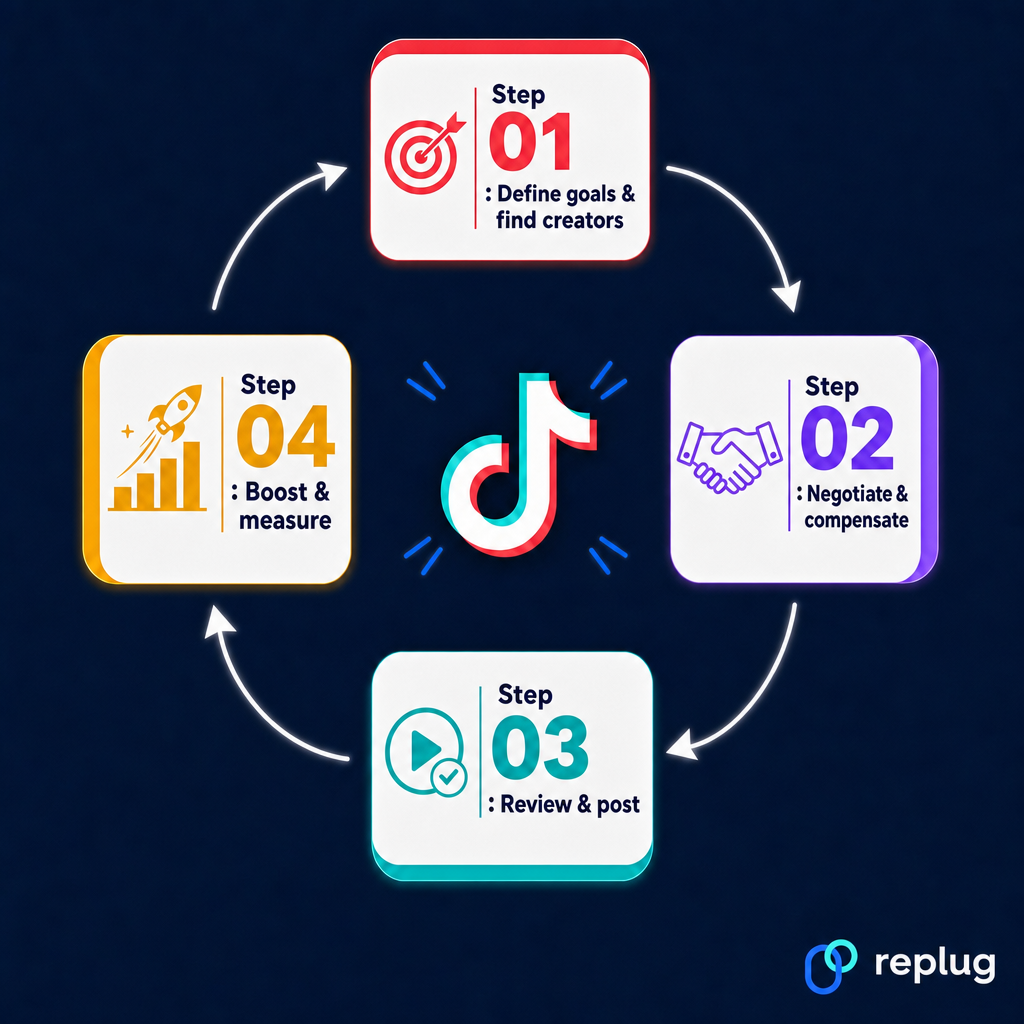
Here’s how the process works, broken down into simple steps:
Step #01: Define goals & find creators
Start by getting clear on what you actually want (more brand awareness, website traffic, leads, or direct sales). Once you know your goal, find creators whose audience matches your target customers. Niche relevance matters way more here than just follower count.
Note: Remember, a micro-influencer with 20K highly engaged followers can often outperform a mega-creator with a million passive ones.
Step #02: Negotiate & compensate
Reach out to your shortlisted creators and work out the details (deliverables, timelines, usage rights, and payment). Compensation can be a flat fee, free products, a commission-based deal, or a mix of all three.
Be upfront about expectations, but also give creators room to do what they do best. Their audience follows them for a reason.
Step #03: Review & post
Before anything goes live, review the content to make sure it aligns with your brand guidelines and goals. That said, avoid over-editing or stripping out the creator’s personality.
Authenticity is what makes TikTok content perform at its best. Once you’re both happy with it, it goes live and starts doing its thing.
Step #04: Boost & measure
Don’t just post and hope for the best. Use TikTok’s Spark Ads feature to boost top-performing influencer content to an even wider audience.
Then track the numbers that actually matter (views, clicks, conversions, and ROI) so you know what worked and can make smarter decisions for your next campaign.
Why use TikTok influencer marketing in 2026?
With nearly 2 billion active users and an algorithm that can make anyone go viral overnight, TikTok isn’t just a social media platform anymore; it’s a full-on marketing machine.
If you’re still on the fence about investing in TikTok influencer marketing, these four reasons should clear things up pretty fast.
High return on investment (ROI) through micro & nano-influencers
Here’s the thing: You don’t need to spend a fortune to see real results on TikTok. Bigger doesn’t always mean better when it comes to influencers.
Nano-influencers on TikTok consistently pull in double-digit engagement rates, hovering just above 10%. Whereas micro-influencers deliver 60% higher engagement than mega-influencers at roughly one-tenth the cost per post.
So instead of blowing your entire budget on one big-name creator, you can partner with a handful of smaller creators, stretch your dollars further, and actually get better results.
Nano-influencers on TikTok regularly clear 8–12% engagement, and most accept product-only deals or flat fees in the $25–$500 range for a single video. That’s a pretty solid deal for any brand, either big or small.
The rise of authentic content
People are tired of polished, scripted ads, and TikTok users especially can smell a fake one from a mile away. That’s exactly why UGC (user-generated content) is killing it on TikTok right now.
UGC on TikTok is 22% more effective than brand-created videos and outperforms Facebook ads by 32% and regular ads by 46%. It just feels real, and that’s the whole point.
85% of people find UGC more trustworthy than brand-created content, so when a creator genuinely talks about your product in their own words, their audience listens (quite attentively).
For brands, this means you get high-performing content without the big production budget – just authentic storytelling that connects.
Direct integration with commerce
TikTok has taken influencer marketing a step further by blending content and shopping into one seamless experience.
With TikTok Shop, viewers can go from watching a creator’s video to buying the product without ever leaving the app. TikTok Shop hit $23.4 billion in US GMV and is nearly doubling year-over-year, with conversion rates sitting at 4.7% on average (well above the 2–4% typical of traditional e-commerce).
On top of that, performance-based deals are becoming the new standard. TikTok Shop affiliate commissions typically range from 5–20% of sales, meaning creators only earn when they actually drive results.
This is a win-win situation for brands since you’re paying for performance, not just exposure.
Search & discoverability
TikTok isn’t just a place to scroll for fun anymore. People are actively using it to find products, get recommendations, and make buying decisions.
Nearly half of all consumers surveyed used TikTok as a search engine in 2026, up from 41% in 2024 (a nearly 20% jump in just two years).
Among small business owners, 38% relied on TikTok influencers for product sales or promotions in 2026, up from just 25% in 2024.
When a creator posts a product review or a “best of” video, that content can show up in TikTok search results and keep driving organic traffic long after it’s posted.
So influencer content on TikTok isn’t just a one-time boost; it’s a long-term discoverability asset for your brand.
TikTok influencer marketing strategy & campaign types
Running a successful TikTok influencer campaign isn’t just about finding a popular creator and hoping for the best; you need an actual plan.
Whether you’re chasing brand awareness, community growth, or direct sales, picking the right strategy and campaign type makes all the difference.
Let’s break it all down!
Influencer strategy framework
Before you spend a single dollar, you need a clear framework to guide your campaign. Think of it as your game plan.
Here’s how to build one that actually works:
- Know your goal first: Are you trying to get more people to know your brand exists, drive traffic to your website, or push product sales? Your goal decides everything else. The type of creator you work with, the content format, the budget, and how you measure success.
- Pick the right creator tier: Not every campaign needs a mega-influencer (in fact, most don’t). Match your goals to the right tier. Nano and micro-influencers for targeted, high-engagement campaigns; macro and mega-influencers when you need broad reach fast. A mix of both often works best!
- Brief your creators, but give them room: A good creative brief covers your key message, and it must include details (like product features or a promo code) and the dos and don’ts. But here’s the golden rule: don’t script everything. TikTok audiences can tell when a video feels forced, so let the creator speak in their own voice. That’s the whole reason you hired them.
- Set a timeline and content schedule: Consistency matters on TikTok. Work out a realistic posting schedule with your creators and make sure it aligns with any product launches, seasonal events, or campaign windows you’re targeting.
- Track the right metrics: Views and likes are nice, but they don’t tell the whole story. Depending on your goal, focus on metrics that actually matter (engagement rate, click-through rate, promo code redemptions, TikTok Shop conversions, and overall ROI).
Key influencer campaign types
Now let’s get into the fun part, i.e., the actual campaign types. Each one serves a different purpose, and the best brands mix and match depending on what they’re trying to achieve.
- Brand awareness
Product unboxing is one of the most natural and effective ways to introduce your brand to a new audience. Creators unbox your product on camera, walk through how it works, or share an honest review, and their audience gets to see it in action through someone they already trust. It doesn’t feel like an ad; it feels like a recommendation from a friend.
Tutorial videos especially perform well because they’re genuinely useful. They show people exactly how to use your product and answer questions before they’re even asked. The key here is letting creators keep it real. An honest, slightly imperfect review will almost always outperform a perfectly scripted one on TikTok.
Additionally, if you want people to actually participate in your marketing, a branded hashtag challenge is the way to go. You create a challenge, give it a catchy hashtag, and invite TikTok users to join in. The beauty of this format is that it turns your campaign into a trend, and TikTok’s algorithm loves that kind of participation.
Think of Chipotle’s #GuacDance or e.l.f. Cosmetics’ #eyeslipsface challenge. Both went massively viral because they were simple, fun, and easy to recreate. Pairing your challenge with a popular or original sound takes it even further. The goal is to make the barrier to entry low enough that anyone can join, but the idea catchy enough that people actually want to.
- Community engagement
Duets and Stitches are TikTok’s built-in tools for creating conversation between creators and brands, and they’re gold for community engagement.
A Duet places two videos side by side, while a Stitch lets a creator clip and react to your content at the start of their own video. Brands can use these features to respond to customer content, collaborate with creators in real time, or even encourage fans to react to a campaign video.
It builds a sense of community because it shows your brand is actually listening and participating (not just broadcasting). Encouraging creators to Duet or Stitch your content also multiplies your reach organically, since their audience sees it too.
An account takeover, on the other hand, is exactly what it sounds like. You hand the keys to your brand’s TikTok account over to a creator for a set period of time (usually 24–48 hours) and let them post as themselves on your page.
This works really well for community engagement because it brings a fresh voice and energy to your account and exposes their fanbase to your brand at the same time. The creator’s followers follow them to your page, your existing audience gets new content they actually enjoy, and everyone wins.
Just make sure you’re choosing someone whose values and vibe genuinely align with your brand. A takeover only works when it feels like a natural fit, not a forced collab.
- Conversion & sales
When the goal is to actually drive purchases, tutorials and GRWM videos are some of the highest-converting content formats on TikTok.
A tutorial shows your product being used in a real, relatable situation, such as someone doing their skincare routine, cooking a meal, or styling an outfit, and naturally weaves your product into the story.
GRWM (Get Ready With Me) content works the same way. Creators walk viewers through their daily routine while casually featuring your product, making it feel like a lifestyle choice rather than an advertisement.
The authenticity of these formats is what drives conversions. Viewers watch the whole video, see real results, and feel confident enough to click and buy.
Besides, these three formats are your most direct tools for turning views into sales:
→ With affiliate deals, creators get a unique link and earn a commission on every sale they generate, which keeps them motivated to push your product genuinely and consistently.
→ Promo codes work similarly but with the added bonus of urgency and exclusivity. When a creator says “use my code for 15% off,” their audience feels like they’re getting a special deal.
→ Giveaways, on the other hand, are great for building rapid momentum. They drive comments, shares, and follows in a short burst, boosting your visibility on the “For You Page”.
Use all three smartly: affiliate links for sustained sales, promo codes for conversion pushes, and giveaways when you need a quick spike in engagement or want to grow your following fast.
Find the ideal TikTok influencers for your brand
Finding the right TikTok creator for your brand isn’t just about picking whoever has the most followers; it’s about finding someone whose audience, content style, and values actually align with what you’re selling.
Here’s a simple, step-by-step approach to help you build your TikTok influencer list the right way:
Define your target & budget
Start by getting crystal clear on who you’re trying to reach and how much you’re willing to spend.
Define your target audience (age, interests, location, buying behavior) and let that guide every decision you make. Your budget will also determine what creator tier makes sense.
Working with nano and micro-influencers keeps costs low while still delivering strong results, whereas macro creators need a bigger spend. Set your scope early so you’re not scrambling later.
Leverage influencer discovery tools
TikTok’s own Creator Marketplace is the best place to start. It’s free, built directly into the platform, and lets you filter creators by niche, audience demographics, engagement rate, and location.
If you want to go deeper, third-party platforms like Modash, Upfluence, Heepsy, and Creator.co give you even more data and filtering options.
These tools save you hours of manual searching and help you quickly shortlist creators who actually match your campaign goals.
Manual research & competitive analysis
Don’t underestimate the power of doing a little digging yourself. Check what creators your competitors are tagging or working with. If a creator is driving results for a brand in your space, they’re worth a closer look.
Hashtag surfing is another underrated tactic; just search your niche hashtags on TikTok and see which creators are consistently showing up with solid engagement. This hands-on approach often surfaces hidden gems that no tool would have flagged.
Vetting for the “Ideal fit”
Once you’ve got a shortlist, it’s time to filter out the wrong fits:
- Check their engagement rate. A creator with 20K followers and a 9% engagement rate will likely outperform someone with 200K and 1% any day.
- Scroll through their past content and comments to assess brand safety. Make sure there’s nothing that could embarrass your brand.
- Also look for any past brand collaborations. If they’ve worked with similar brands before and done it well, that’s a solid green flag that they understand how sponsored content works.
Reach out & pitch
Keep your outreach short, personal, and genuine. Mention something specific about their content to show you’ve actually watched it.
Creators get a ton of generic DMs, and a personalized message instantly stands out. Clearly explain who you are, what you’re offering, and what you’re looking for, but keep the tone conversational rather than corporate.
Whether you’re sliding into their DMs on TikTok, emailing through their bio link, or reaching out via their management, lead with value and make it easy for them to say “YES”.
Best TikTok influencer marketing examples
Sometimes the best way to understand what great TikTok influencer marketing looks like is to see it in action.
These five campaigns are some of the most talked-about examples across different industries, and each one has a clear lesson brands can learn from and apply.
e.l.f. Beauty: The #EyesLipsFace Challenge
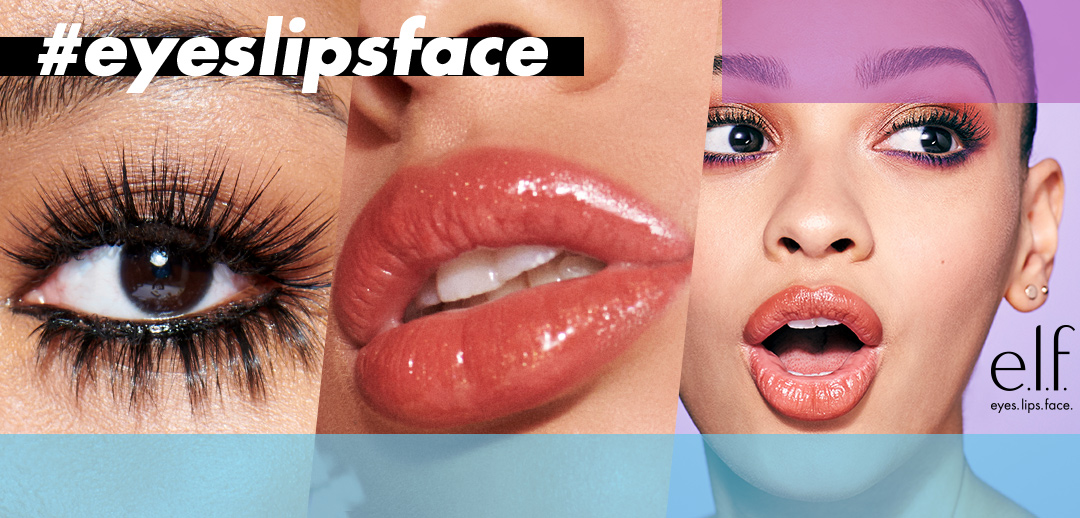
e.l.f. Beauty made history on TikTok by doing something no brand had done before: commissioning an original song specifically for a TikTok challenge.
The strategy was simple but brilliant. They created a catchy, danceable track and invited users to show off their makeup looks using the #EyesLipsFace hashtag.
The campaign became the most viral US campaign in TikTok history, attracting over 3.5 million user-generated videos and totaling 5.6 billion views. Even celebrities like Lizzo and Reese Witherspoon joined in organically, without being paid.
The key takeaway: When your content is fun, easy to recreate, and culturally on point, your audience does the marketing for you.
Chipotle: #GuacDance
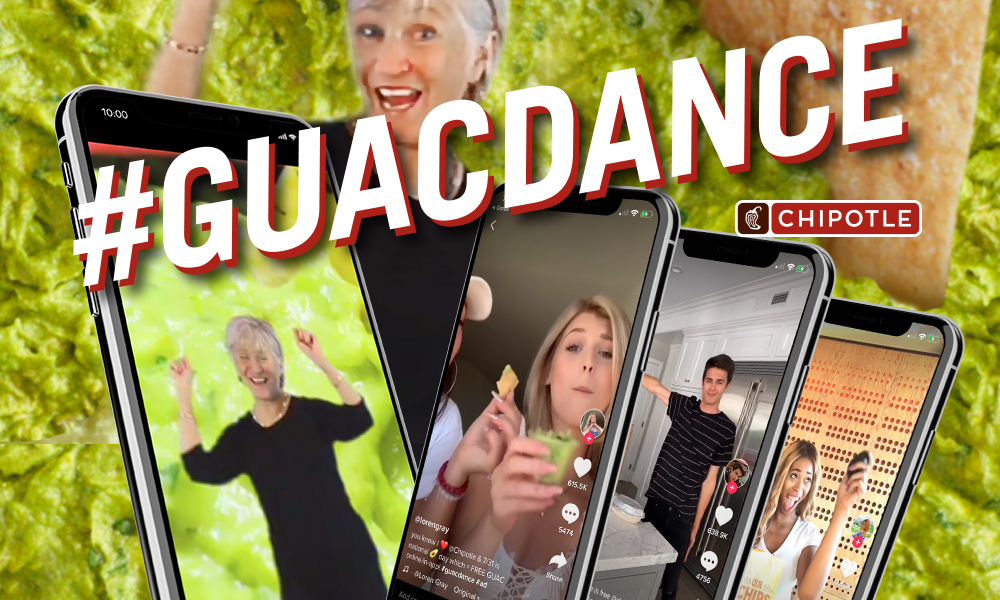
Chipotle turned “National Avocado Day” into one of the most successful branded TikTok campaigns ever.
Partnering with popular creators Brent Rivera and Loren Gray, they launched the #GuacDance challenge, inviting fans to bust out their best guacamole-inspired dance moves to Dr. Jean’s viral “Guacamole Song”.
The campaign received 250,000 video submissions and 430 million video starts in just six days, becoming TikTok’s highest-performing branded challenge in the US at the time. It also resulted in Chipotle’s biggest guacamole day ever, with over 800,000 sides served.
The lesson here is clear: Tie your campaign to a real cultural moment, keep it fun, and let your audience run with it.
YSL Beauty: Loveshine Lip Oil Stick
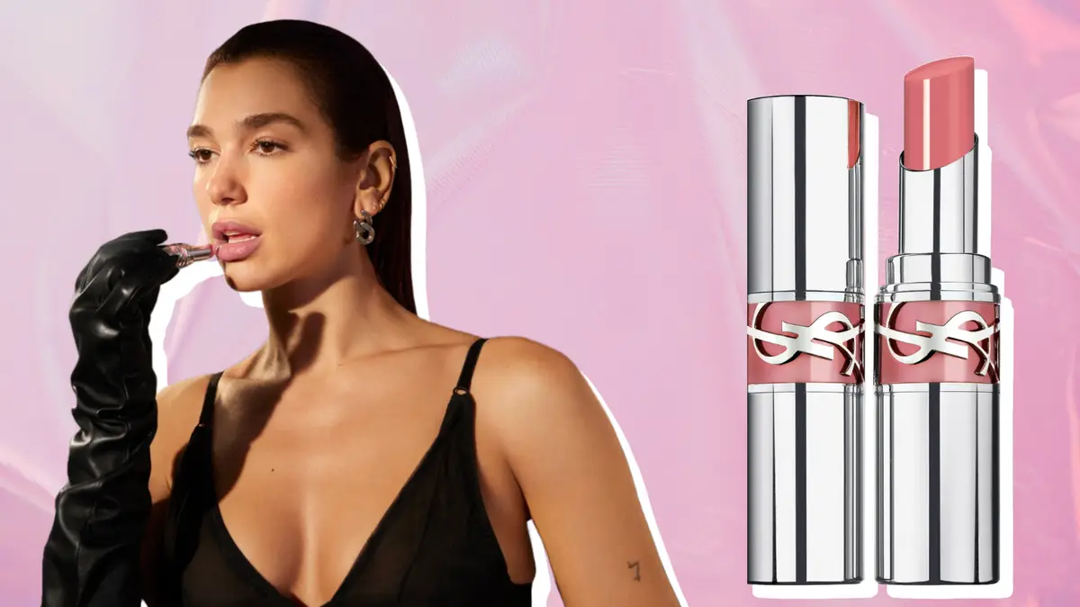
YSL Beauty’s launch of the Loveshine Lip Oil Stick is a textbook example of mixing high-profile ambassador power with grassroots creator content.
The campaign was fronted by global superstar Dua Lipa as YSL’s new global makeup ambassador, but the real fuel came from TikTok.
Beauty influencers and everyday users alike posted reviews, tutorials, and first impressions using branded hashtags, driving millions of views and widespread engagement. Mega-creator Alix Earle’s video alone pulled in over 293,000 likes.
The collaboration with high-profile influencers like Dua Lipa and Alix Earle significantly boosted brand awareness and engagement, particularly for the Loveshine Lip Oil launch. The product quickly went viral and became one of YSL’s most talked-about launches in recent years.
Insta360: #NoseMode Amplification
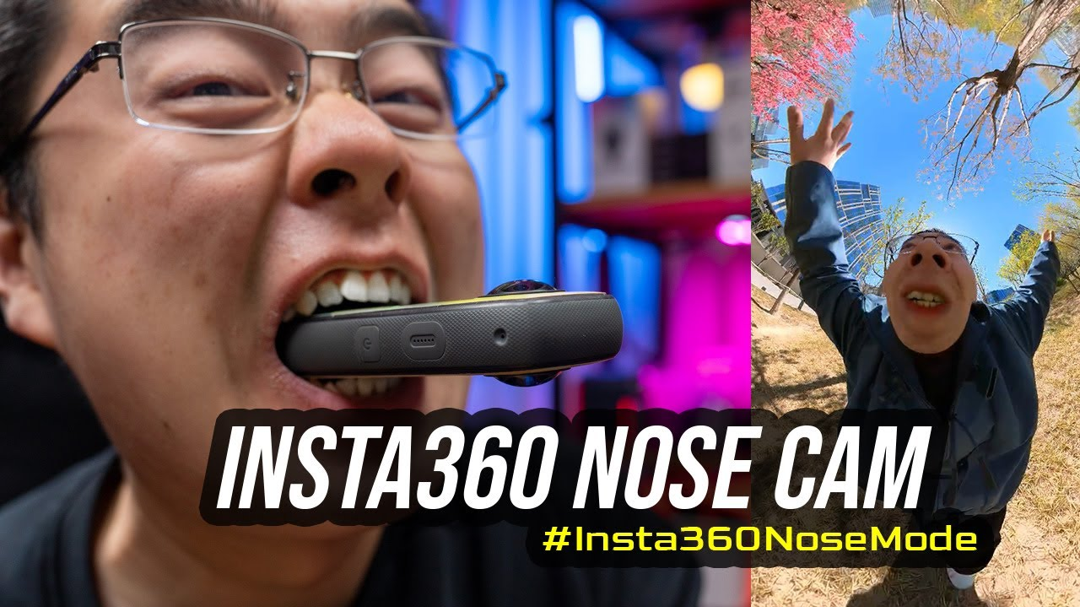
Insta360’s approach is one of the smartest examples of a brand listening before jumping in.
When users started organically going viral by attaching their Insta360 cameras to selfie sticks pointed at their noses (creating a funny, fish-eye “nose-mode” perspective), the brand didn’t force a campaign.
Instead, they jumped in to amplify what was already happening, engaging with influencers and fans who were already creating this content naturally.
The results were staggering: 680 million views and a cost per view of just $0.0004. The campaign even earned Insta360 a nomination for “Brand of the Year” at the YouTube Streamys.
The lesson learned: Sometimes the best campaign idea is already sitting right in your comment section.
YETI: The “Unknown” Ambassador Program
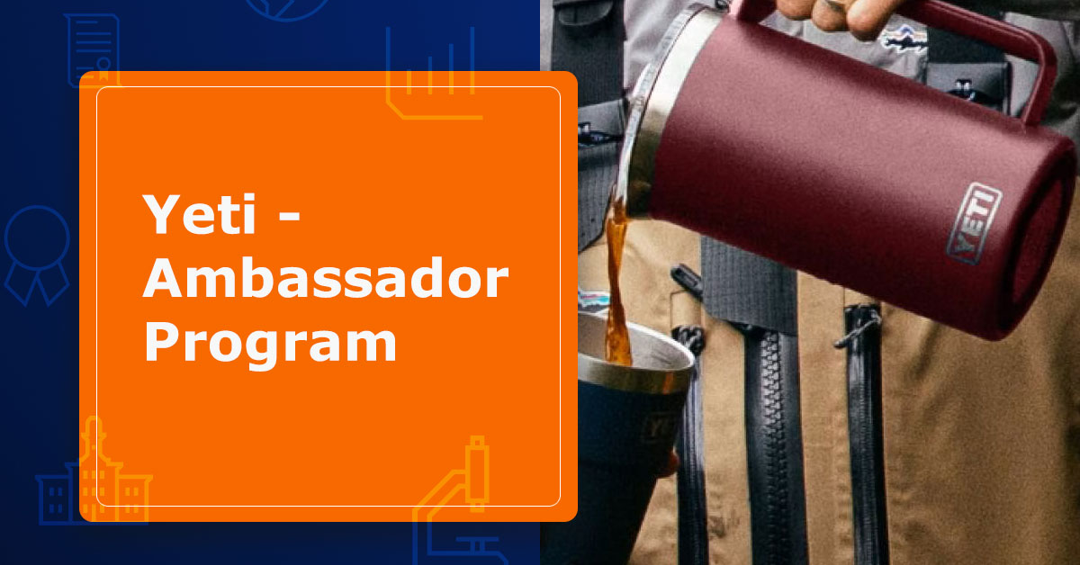
YETI’s approach to influencer marketing is refreshingly different from most brands.
Instead of chasing celebrities and mega-influencers with millions of followers, YETI built its ambassador program around real outdoor enthusiasts (hunters, fishermen, surfers, chefs, ranchers, and athletes). These are people who genuinely live the lifestyle their products are built for.
Rather than recruiting through influencer marketing agencies or platforms, YETI showed up at community events to discover talent organically. It ran a two-year vetting process for ambassadors to ensure mutual investment and authentic long-term partnerships.
Today, a network of over 500 ambassadors provides authentic user-generated content and product validation, and the brand has grown to nearly $1.8 billion in revenue.
The takeaway is powerful: Choosing creators based on genuine passion over follower count builds a brand community that lasts.
TikTok influencer marketing costs & budgeting criteria
One of the first questions every brand asks is: “How much does this actually cost?”
The honest answer is: It depends!
TikTok influencer pricing varies a lot based on follower count, niche, content format, and a handful of other factors. Here’s a clear breakdown to help you plan your budget without any guesswork.
Influencer cost tiers
Not all creators are priced the same, and that’s actually a good thing. It means there’s a tier that fits almost every budget.
Whether you’re a small business exploring the feasibility of a situation or gauging opinions before fully committing, or an established brand going all in, here’s what you can expect to pay across different influencer tiers on TikTok in 2026.
| Influencer tier | Followers | Rate per video | Best for |
| Nano-influencers | 1K – 10K | $25 – $500 | Community building, UGC acquisition, niche targeting |
| Micro-influencers | 10K – 100K | $100 – $5,000 | Highest engagement rates, dedicated niche audiences |
| Mid-tier influencers | 100K – 500K | $1,000 – $5,000+ | Balanced reach and audience trust |
| Macro-influencers | 500K – 1M | $3,000 – $20,000 | Broad brand awareness, large-scale campaigns |
| Mega-influencers | 1M+ | $10,000 – $50,000+ | Massive scale, household brand campaigns |
A quick tip: Don’t just chase the biggest names. Nano and micro-influencers often deliver better ROI than their pricier counterparts because their audiences are tighter, more engaged, and more likely to actually trust the recommendation.
Core budgeting criteria
Knowing the base rates is just the starting point. Your final campaign cost will be shaped by several other factors that most brands overlook until they’re already negotiating.
Here’s what actually moves the price needle:
- Campaign goal & performance metrics
Before you agree to any deal, know what success looks like in numbers. Setting a target Cost Per Acquisition (CPA) or Cost Per Mille (CPM) upfront keeps your spending in check and helps you evaluate whether a creator’s quote is actually worth it. If a creator’s CPM doesn’t align with your targets, it’s okay to simply walk away.
| Metric | What it means | Why it matters for budgeting |
| CPA (Cost Per Acquisition) | Cost to acquire one customer through the campaign | Helps measure direct ROI from influencer spend |
| CPM (Cost Per Mille) | Cost per 1,000 video views | Great for awareness campaigns with broad reach goals |
| Engagement rate | Likes, comments, shares relative to views | A high-engagement creator often justifies a higher rate |
| Conversion rate | Likes, comments, and shares relative to views | Key for sales-focused campaigns via TikTok Shop or links |
- Usage rights & paid boosting (Spark Ads)
When you want to repurpose a creator’s video as a paid ad (which you absolutely should if it performs well), expect to pay more. Spark Ads let you boost a creator’s organic post directly from their profile, keeping that authentic feel while putting paid spend behind it. Always clarify usage rights before signing any deal.
| Usage type | Typical rate increase | Notes |
| Organic post only | Base rate (no extra charge) | Content lives on the creator’s page only |
| Spark Ads rights | +20% – 50% on top of the base rate | Brand boosts the creator’s post as a paid ad |
| Full usage rights (repurpose across channels) | +30% – 100% on top of the base rate | Use on website, email, other paid platforms |
| Exclusivity clause | +15% – 40% on top of the base rate | Creator agrees not to work with your competitors |
- Content format
The type of content you request directly impacts what you’ll pay. A simple product mention in an existing video is very different from a fully produced TikTok Shop live session. Here’s how formats generally stack up in terms of pricing.
| Content format | Complexity | Typical cost impact |
| Standard video integration | Low – Medium | Base rate; most common format |
| Duets or Stitches | Low | Minimal add-on; quick to produce |
| Green screen challenges | Medium | Slight premium for creative setup |
| TikTok Shop takeovers / Live shopping | High | Significantly higher; requires real-time hosting, prep, and longer time commitment |
- Niche premiums
Not all niches are priced equally, and if you’re in a high-value space like finance, tech, or legal, expect to pay more even for the same follower count. That’s because creators in these niches have highly specific, high-intent audiences that are harder to reach and more valuable to advertisers.
| Niche | Premium level | Reason |
| Finance / Investing | Very High | High-intent, high-income audience |
| Tech / SaaS | High | Niche expertise, trusted by decision-makers |
| Beauty / Skincare | Medium – High | Large audience, strong purchase intent |
| Fitness / Health | Medium | Broad but engaged community |
| Food / Lifestyle | Low – Medium | High volume creators, competitive market |
- Production requirements
The more hands-on your brief, the more it’ll cost. A casual, phone-shot talking-head video is quick and cheap. Whereas a full production with specific location requirements, custom outfits, or branded props will take more time and effort from the creator, and that time has a price.
| Production level | What it involves | Cost impact |
| Minimal (raw, organic style) | Phone-shot, no special setup, natural delivery | Base rate; often preferred for authenticity |
| Moderate (some prep required) | Specific hooks, branded mentions, light editing | Slight premium; 10%–25% above base |
| High (full production) | Custom location, props, outfits, scripted delivery | Higher premium; 30%–60% above base |
| Multi-deliverable package | Multiple videos, Stories, Lives bundled together | Multiple videos, Stories, and Lives bundled together |
Key metrics to consider & track for TikTok influencer marketing
Running a TikTok influencer campaign without tracking the right metrics is like driving with your eyes closed. You won’t know what’s working until it’s too late.
These are the numbers that actually matter and what each one tells you about your campaign’s performance.
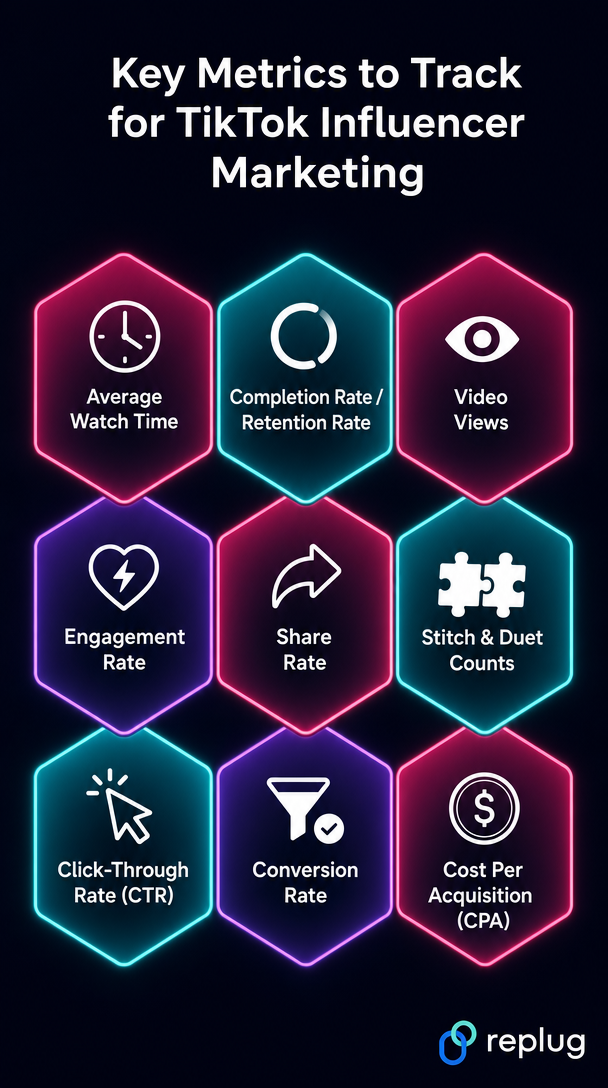
Average watch time
Average watch time tells you how long, on average, people are actually watching a creator’s video before scrolling away.
On TikTok, this is a big deal because the algorithm heavily favors content that keeps people watching.
If a creator’s videos are holding attention for longer, that’s a strong signal that the audience is genuinely interested and that your brand message is actually being seen, not just skipped past.
Completion rate/retention rate
Completion rate is the percentage of viewers who watch a video all the way to the end, and it’s one of the most honest indicators of content quality.
A high completion rate means the video is compelling enough to hold attention from the first second to the last, which is exactly what TikTok’s algorithm rewards with wider distribution.
When evaluating a creator for your campaign, a consistent completion rate above 25–30% is generally a good sign.
Video views
Video views are the most basic metric, but they still matter, especially for brand awareness campaigns where reach is the primary goal.
On TikTok, views can come from both a creator’s existing followers and completely new audiences through the “For You Page”. This makes the number potentially much larger than the creator’s actual follower count.
That said, views alone don’t tell the whole story, so always look at them alongside engagement and completion data for a fuller picture.
Engagement rate
Engagement rate is the percentage of viewers who actually interact with a video (through likes, comments, shares, and saves) relative to the total views or follower count. It’s one of the best indicators of how connected a creator is with their audience.
A high engagement rate means people aren’t just passively watching; they’re reacting, which is exactly the kind of response you want when promoting a product.
On TikTok, a healthy engagement rate for influencer content generally sits between 3–9%, though nano and micro-influencers often beat this significantly.
Share rate
Share rate measures how often viewers share a video with others, and on TikTok, this is one of the most powerful signals a video can send.
When someone shares a creator’s post to their own followers or via DM, it means the content resonated enough that they wanted other people to see it too.
For brands, a high share rate means your campaign is spreading organically beyond the creator’s existing audience, essentially giving you free additional reach that you didn’t pay for.
Stitch & Duet counts
Stitch & Duet counts show how many other TikTok creators have responded to or remixed a piece of content.
This metric is unique to TikTok and is a strong indicator of cultural traction. It means the content sparked enough of a reaction that other people felt compelled to create their own videos in response.
For influencer campaigns, a high Stitch or Duet count is a great sign that your content is generating real conversation and community buzz. This naturally extends your campaign’s reach without any extra spend.
Click-through rate (CTR)
Click-through rate (CTR) measures how many people clicked on a link in the creator’s bio, a TikTok Shop product tag, or a paid Spark Ad after watching the video. This is the bridge between content performance and actual business results.
A strong CTR tells you the video did its job. It captured attention and created enough curiosity or desire that viewers wanted to take the next step.
For reference, a CTR of 1–3% on TikTok is generally considered solid for influencer-driven content.
Conversion rate
Conversion rate tells you what percentage of the people who clicked actually completed the action you wanted. No matter if that’s making a purchase, signing up for something, or downloading an app.
This is the metric that directly ties your influencer spend to real business outcomes. Tracking this properly requires unique promo codes, UTM parameters, or TikTok Shop affiliate links so you can attribute sales back to specific creators with confidence.
Cost per acquisition (CPA)
Cost Per Acquisition (CPA) is the total amount you spent divided by the number of customers or leads you actually got from a campaign. It’s the clearest way to measure whether your influencer investment was worth it.
If your CPA is lower than what you’d typically pay through paid ads or other channels, your influencer campaign is doing its job efficiently.
Tracking CPA across different creators also helps you figure out which partnerships deliver the best bang for your buck, so you know exactly who to work with again.
How to effectively measure TikTok influencer marketing ROI
Getting influencer content live is only half the job; the other half is knowing whether it actually worked.
Measuring ROI on TikTok isn’t always straightforward, but with the right systems in place, you can get a very clear picture of what your spend is actually delivering.
Here are the key strategies for tracking TikTok’s ROI properly:
Assign dedicated tracking mechanisms
This is the foundation of any solid measurement setup!
Give every creator a unique promo code (like “SARAH07”) so you can directly attribute purchases to their content. Pair that with custom UTM-tagged URLs so your analytics tools can track exactly where traffic is coming from. And don’t underestimate post-purchase surveys.
A simple “How did you hear about us?” question at checkout is surprisingly powerful for capturing TikTok-driven sales that don’t always show up cleanly in your attribution data. This is especially when someone watches a video, closes the app, and buys later.
Monitor platform-specific KPIs
TikTok has its own set of signals that tell you if a campaign is truly resonating.
Keep a close eye on engagement and saves. A high save count means people are bookmarking the content to come back to it, which is a strong purchase-intent signal. Besides, track click-through rates on any linked content or TikTok Shop tags, and watch for branded search lift.
If people are suddenly Googling your brand name or searching for you on TikTok itself after a campaign drops, that’s a clear sign your influencer content is creating real awareness beyond the immediate view count.
Calculate true profitability
To know if your campaign was actually worth it, you need to look at the full financial picture.
- Start with your total investment. That’s creator fees, product costs, usage rights, and any Spark Ads spend combined.
- Then calculate your Customer Acquisition Cost (CAC) by dividing that total by the number of new customers generated.
- Finally, factor in Earned Media Value (EMV), i.e., the estimated value of the organic reach, UGC, and word-of-mouth your campaign generated beyond paid placements.
This gives you a much more honest picture of what your influencer spend truly returned.
Run holdout tests (incrementality)
This one’s underused but incredibly valuable!
A holdout test works by splitting your audience into two groups. One that sees your influencer campaign and one that doesn’t, and then comparing the purchase behavior between them.
The difference in conversion rates between the two groups is your true incremental lift, meaning the sales that happened specifically because of the campaign, not just organically.
It removes the guesswork around whether your influencer content actually moved the needle or if those customers would have bought anyway. Even a simple version of this test can completely change how you evaluate creator partnerships going forward.
The impact of TikTok influencer marketing on consumer behavior
TikTok hasn’t just changed how brands market; it’s fundamentally changed how people discover, evaluate, and buy products.
From snapping up a skincare product mid-scroll to building brand loyalty through creator communities, the platform is reshaping consumer behavior in ways no other channel has done before.
Here’s exactly how it’s happening:
High impulse & discovery-based purchasing
TikTok is basically the world’s most effective impulse-buying machine right now. With 55% of TikTok users making impulse purchases on the app, the platform has turned casual scrolling into a shopping event.
A huge part of this is driven by the “TikTok Made Me Buy It (TMMBI)” phenomenon. The hashtag has accumulated a staggering 80 billion views from over 20 million posts, with products like the Stanley Cup and Dyson Airwrap going from niche items to sold-out sensations almost overnight.
TikTok’s algorithm is specifically wired to keep showing you content that matches your interests. This means the right product video lands in front of the right person at exactly the right emotional moment, and that’s a very powerful recipe for unplanned purchases.
Trust & relatability over aspiration
What makes TikTok influencer marketing so uniquely effective is the type of trust it creates. People aren’t buying from polished celebrities living unreachable lifestyles. Instead, they’re buying based on recommendations from everyday creators who feel like friends.
This “everyday expert” effect is real and measurable: 92% of consumers trust user-generated content and peer reviews more than traditional ads for unplanned purchases.
When a regular person shows you a product working in their actual bathroom or kitchen, that social proof hits differently than any TV commercial ever could. It feels honest, relatable, and low-risk, which makes the decision to buy a whole lot easier.
Accelerated trend cycles
TikTok has completely compressed the timeline from “unknown product” to “mainstream must-have”.
What used to take months or even years to trend now happens in days. Viral challenges, hashtag trends, and user-generated content can propel specific products or aesthetics into mainstream popularity within days, creating microtrends and accelerating the consumer cycle.
What’s particularly interesting is the democratization this creates. A small brand with zero ad budget can go viral just as fast as a big-name company if their product resonates on the platform.
A creator with 8,000 followers can start a trend that a brand with 8 million followers couldn’t manufacture. That’s a genuinely new dynamic in consumer culture.
Direct conversion (frictionless shopping)
One of the biggest behavioral shifts TikTok has driven is the collapse of the gap between discovery and purchase. Thanks to TikTok Shop, product tags, and in-app checkout.
Now, consumers no longer need to leave the app, search Google, find the website, and then decide to buy. The entire journey now happens in one seamless flow.
Over 71 million users made purchases through TikTok Shop in 2025, with that number continuing to rise in 2026. This shows that consumers are increasingly comfortable buying directly from the app without visiting external websites.
This frictionless path from content to checkout is genuinely changing how purchase decisions are made. They’re faster, more emotional, and increasingly in-the-moment.
Potential for buyer’s regret
Here’s the side of TikTok commerce that doesn’t get talked about enough. Not every impulse purchase lands well.
When people buy quickly based on a 30-second video, the product doesn’t always live up to the hype, and that gap between expectation and reality is called post-purchase dissonance.
More than one in four TikTok users have regretted their impulse purchases, with Gen X users being most likely to experience this remorse at 31%, compared to 25% of both Gen Z and millennial users.
For brands, this is an important signal; the sale isn’t the finish line. Following up with strong post-purchase communication, honest product representation in creator briefs, and easy returns can turn a potentially regretful buyer into a loyal repeat customer.
Top-rated TikTok influencer marketing services online
No matter if you’re just starting out or looking to scale fast, working with the right TikTok influencer marketing agency or platform can save you a ton of time and get you significantly better results.
From full-service agencies that handle everything end-to-end to self-serve marketplaces that put you in the driver’s seat, here are five of the best options worth knowing about in 2026.
Ubiquitous
Ubiquitous is a full-service TikTok influencer marketing agency with over 14,000 creators in their network, covering a combined 27 billion followers.
What makes them stand out is their data-driven approach. They focus on median views and historical performance rather than just follower counts, so you’re actually matched with creators who consistently deliver.
They’ve worked with brands like Amazon, Disney, Netflix, and Adobe, handling everything from creator sourcing and negotiation to content briefing and Spark Ads amplification.
The Influencer Marketing Factory
The Influencer Marketing Factory is known for its creative-first approach and end-to-end influencer marketing support, from defining brand objectives and KPIs through to influencer selection and campaign execution.
With offices in Miami and New York and a globally distributed team, they’ve run campaigns for major names like Google, Hasbro, Amazon, and Bud Light.
They’re a solid pick for brands that want a structured, metrics-driven campaign without sacrificing creative quality.
Collabstr
Collabstr is a self-serve marketplace where brands can search thousands of vetted TikTok, Instagram, and YouTube influencers for free. You only pay once you’ve approved the creator’s content.
There are no subscriptions or hidden fees, which makes it a great starting point for smaller brands or anyone wanting to test influencer marketing without a big upfront commitment.
Their platform has facilitated over 21,000 collaborations and hosts more than 200,000 creators, with real-time tracking built right into the dashboard.
Viral Nation
Viral Nation is a global TikTok influencer marketing agency with access to over 18,000 vetted creators. It offers everything from strategy and content production to paid media integration and AI-powered brand safety tools.
It’s particularly well-suited for enterprise brands and has delivered campaigns for clients in 30+ countries. Besides, it has worked with Fortune 500 companies, including Amazon, Microsoft, and Tencent.
Above all, its social media campaigns have engaged over a billion customers and reduced customer acquisition costs for clients by 42%.
JoinBrands
JoinBrands connects brands with over 100,000 US-based content creators for TikTok, YouTube, Instagram, and Amazon campaigns. Brands own full licensing and distribution rights to all content created.
It’s especially popular with DTC and eCommerce brands because it integrates directly with TikTok Shop, giving you clear visibility into which creators are actually driving sales.
Pricing starts with a pay-as-you-go plan at $0 per month, making it one of the more accessible options for brands at any stage.
Major benefits of TikTok influencer marketing for brands & businesses
TikTok influencer marketing isn’t just another line item in your marketing budget; it’s one of the highest-ROI channels available to brands right now.
From building genuine trust with new audiences to driving direct purchases in-app, here’s why more brands are doubling down on it in 2026.
Unmatched engagement & reach
TikTok’s algorithm is uniquely built to push content beyond a creator’s existing followers, which means your brand can reach completely new audiences without paying extra for it.
With engagement rates sitting at 3.70%, far ahead of Instagram and other major platforms, influencer content on TikTok doesn’t just get seen; it gets genuinely interacted with.
For brands, that kind of organic reach and active engagement is incredibly hard to replicate anywhere else.
Deepening trust & social proof
People buy from people they trust, and TikTok creators have already built that trust with their audiences long before you enter the picture.
When a creator vouches for your product in their own words and style, it carries far more weight than any traditional ad ever could.
92% of consumers say they trust peer recommendations and UGC over branded content, which is exactly why influencer-led campaigns consistently outperform standard brand-produced ads on the platform.
Tapping into niche communities
One of TikTok’s biggest strengths is just how specific its communities get. From #BookTok and #SkinTok to #FitnessTok and #FinTok, there’s a tight-knit community for virtually every niche out there.
Partnering with creators inside these spaces lets your brand speak directly to a hyper-relevant, already-engaged audience instead of casting a wide net and hoping for the best. That kind of precision targeting is genuinely difficult to achieve through paid ads alone.
Direct sales through TikTok Shop
TikTok Shop has completely changed the game by turning content into a checkout experience. Now, viewers can go from watching a creator’s video to completing a purchase without ever leaving the app.
TikTok Shop hit $23.4 billion in US GMV with conversion rates averaging 4.7%, i.e., well above what most traditional e-commerce channels deliver.
For brands, this means every piece of influencer content has the potential to be a direct revenue driver, not just an awareness play.
Highly cost-effective
Compared to traditional advertising and even influencer marketing on other platforms, TikTok gives you more value for your money, especially when you work with nano and micro-influencers.
Over 80% of TikTok influencer collaborations cost under $300, which means even brands with modest budgets can run effective, multi-creator campaigns without overspending.
Add in the organic reach TikTok’s algorithm provides on top of that, and your actual cost per impression ends up being remarkably low compared to most other paid channels.
Best practices to follow for guaranteed TikTok influencer marketing success
Getting results on TikTok isn’t just about throwing money at creators and hoping something sticks. The brands that consistently win on this platform follow a clear set of practices that maximize every dollar they spend.
Here’s what actually works:
Rely on authentic storytelling over high-production value
TikTok users have a sixth sense for content that feels fake or overly polished, and they scroll right past it. Raw, real, and relatable beats glossy and scripted every single time on this platform.
Let creators tell your brand’s story in their own natural way, even if that means a slightly imperfect video shot on a phone in their bedroom. That authenticity is exactly what drives clicks and conversions.
Grant creators creative freedom
You hired a creator in the first place because their audience trusts them, so let them do what they do best. Give them a solid brief that covers your key message and non-negotiables, but don’t script every word or dictate every shot.
Creators who are given room to put their own spin on branded content consistently produce higher-performing videos. This is because the content feels native to their channel rather than like a paid placement.
Target micro-influencers
If budget efficiency and genuine engagement are priorities (and they should be), micro-influencers are your best bet. They have tighter, more loyal audiences that actually listen to their recommendations, and they cost a fraction of what macro or mega-influencers charge.
Running campaigns with multiple micro-creators simultaneously also spreads your risk and gives you a much wider pool of content to test and optimize from.
Track with clear KPIs
Before any campaign goes live, lock in exactly what success looks like in numbers. Whether it’s a target engagement rate, a cost-per-acquisition cap, a minimum click-through rate, or a TikTok Shop conversion goal, having clear KPIs from day one keeps your spend accountable.
Plus, they make it easy to evaluate which creators and content formats are actually delivering. Without them, you’re just guessing!
Utilize Spark Ads
When a piece of influencer content performs well organically, don’t just let it sit there; amplify it. Spark Ads let you boost a creator’s existing post as a paid ad directly from their profile, which keeps the authentic feel intact while dramatically extending the content’s reach.
This is one of the highest-ROI moves in TikTok marketing right now because you’re putting paid budget behind content that’s already been proven to resonate.
Test & learn
No two creators, niches, or audiences are exactly the same, so treat every campaign as a learning opportunity. Run small tests with multiple creators, different content formats, and varying hooks before scaling what works.
The brands that grow fastest on TikTok are the ones that move quickly, analyze results honestly, and aren’t afraid to cut what’s not working and double down on what is.
Build long-term relationships
One-off collaborations are fine for testing, but the real magic happens when you invest in ongoing creator partnerships. When a creator works with your brand repeatedly, their audience starts to associate your product with someone they trust on a regular basis.
And that repeated exposure builds the kind of brand familiarity that actually shifts buying behavior. Long-term partners also produce better content over time because they genuinely get to know your brand inside and out.
Useful tips for starting your own TikTok influencer marketing campaign
Starting a TikTok influencer campaign for the first time can feel a little challenging, since there are a lot of moving parts. But if you break it down into the right steps, it’s actually pretty straightforward.
Here are four practical tips to help you launch with confidence and get real results from day one:
Tip #01: Identify the right influencers
Don’t get distracted by big follower numbers; engagement is what actually matters. A creator with 15K highly engaged followers will almost always outperform one with 500K passive ones.
Before reaching out, dig into their audience demographics to make sure there’s a genuine overlap with your target customers. There’s no point in paying for reach that won’t convert.
Use TikTok’s own Creator Marketplace as your starting point. It gives you real performance data, audience insights, and filtering tools that make shortlisting the right creators a whole lot faster and more reliable.
Tip #02: Focus on genuine storytelling
The golden rule on TikTok is simple: if it feels like an ad, it won’t perform like one.
Let the influencer take the lead on how they present your product. Their audience follows them for their voice, not yours.
Embrace what makes TikTok unique (trending sounds, native formats, humor, and real-life situations). This is because content that fits the platform’s culture always outperforms content that feels imported from Instagram or YouTube.
Just make sure you give creators a clear brief upfront so they understand your key message, any must-include details, and your brand’s boundaries. Then step back and let them do their thing.
Tip #03: Track & measure success
Before anything goes live, get crystal clear on what you’re actually trying to achieve, i.e., more sales, brand awareness, app downloads, or follower growth. This is because your goal shapes everything else about how you measure success.
Set up trackable incentives like unique promo codes, custom affiliate links, or UTM-tagged URLs for every creator so you can directly attribute results to specific partnerships.
Once the campaign is live, monitor performance consistently. Track views, engagement rate, click-throughs, and conversions, and use that data to figure out what’s working, what’s not, and where to put your money next time.
Tip #04: Leverage paid ads & repurposing
When a creator’s video starts performing well organically, that’s your cue to amplify it with Spark Ads. Boosting it as a paid ad straight from the creator’s profile keeps the authentic feel intact while putting real reach behind it.
Don’t let good UGC go to waste either. Top-performing creator content can be repurposed across your own social channels, email campaigns, and product pages, where it often converts better than traditional brand-produced creative.
And finally, don’t just post and ghost. Interact with comments, respond to stitches and duets, and engage with the community your campaign generates. TikTok rewards brands that show up like real participants, not just advertisers.
Common TikTok influencer marketing mistakes to avoid
Even brands with solid budgets and good intentions can fall flat on TikTok if they’re making the wrong moves. The good news is that most of these mistakes are completely avoidable once you know what to look out for.
Here are the six most common ones, and exactly how to fix them:
Over-scripting & controlling the content
When brands hand creators a word-for-word script and demand they stick to it, the content almost always falls flat.
TikTok audiences can immediately tell when a video feels forced or unnatural, and they scroll straight past it.
The impact? Low engagement, poor watch time, and wasted spend.
The fix is simple: Give creators a solid brief with your key message and non-negotiables, then trust them to deliver it in their own voice. That’s literally what their audience showed up for!
Focusing solely on follower count
Chasing big follower numbers without checking engagement is one of the most expensive mistakes you can make.
A creator with a million followers and a 0.5% engagement rate is far less valuable than one with 30K followers and a 9% engagement rate.
The impact is real. Low engagement means your message isn’t landing, no matter how many people technically “saw” it.
Always vet creators based on engagement rate, audience quality, and content relevance first, and treat follower count as a secondary data point.
Treating TikTok like a hard-sell infomercial
TikTok is not the place for aggressive, buy-now-or-miss-out sales tactics. Users come to the platform to be entertained, informed, and inspired, not pitched.
Brands that push hard-sell content see their videos decline in reach because TikTok’s algorithm actively deprioritizes low-engagement posts.
The fix is to lead with value (entertainment, education, humor, or relatability) and let the product recommendation feel like a natural part of the story rather than the whole point of the video.
Neglecting clear calls to action (CTAs)
Great content without a clear next step is a missed opportunity every single time. If viewers watch a video, love the product, but have no idea where to go or what to do next, they just move on.
The impact is poor conversion despite solid views and engagement. The fix is to always include a simple, specific CTA phrase, whether that’s a link in bio, a promo code, a TikTok Shop tag, or a direct “comment below”.
Always make it easy for interested viewers to take the next step without having to think too hard.
Ignoring FTC disclosure guidelines
This one isn’t just a marketing mistake; it can actually get your brand into legal trouble.
The FTC requires that paid partnerships be clearly disclosed, and TikTok’s own branded content policies align with this.
When creators don’t properly label sponsored content with tags like #ad or #sponsored, it misleads viewers and erodes trust when they find out.
The fix is straightforward: Make proper disclosure a non-negotiable part of every creator brief, and confirm it’s in place before any content goes live.
Failing to track campaign metrics
Running a campaign without tracking its performance is like spending money with your eyes closed. If you’re not measuring what’s actually working, you have no way to improve, optimize, or justify future spend.
The impact is wasted budget on partnerships and content that may not be delivering any real results.
However, the fix is to set clear KPIs before launch, i.e., engagement rate, CTR, promo code redemptions, or TikTok Shop conversions. Moreover, review the data consistently throughout the campaign so you can make smart, informed decisions in real time.
Get started with TikTok influencer marketing today!
There’s never been a better time to tap into TikTok influencer marketing. The audience is there, the tools are better than ever, and the ROI speaks for itself. The only thing left is to actually get started!
No matter if you’re a brand manager, a social media marketer, or a content creator looking to streamline your workflow, Replug is the all-in-one link management platform built to make your TikTok campaigns sharper and more precisely trackable.
With Replug’s custom URL shortener, you can create clean, branded short links for every influencer campaign, making it easy to track clicks, attribute traffic, and measure exactly where your conversions are coming from.
And if you’re just warming up, Replug also offers free tools to make your TikTok life easier. This includes a free TikTok caption generator to craft scroll-stopping captions in seconds and a free TikTok video downloader to save and repurpose top-performing content without any hassle.
Start smart, track everything, and let the results do the talking!
Frequently asked questions

Muhammad Ahsan Jamal