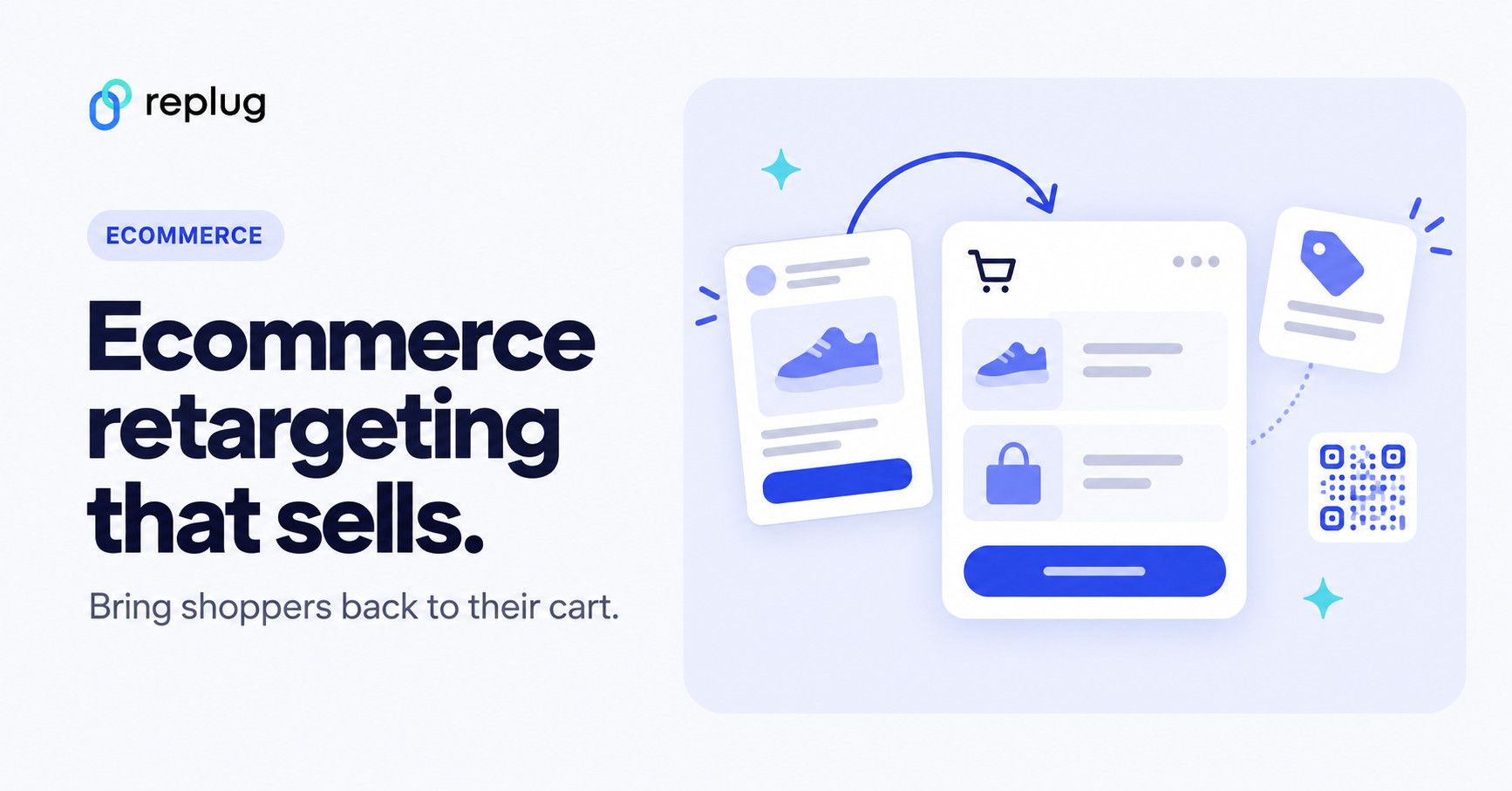
Did you know that about 70% of online shopping carts are abandoned? Baymard Institute puts the average at 70.22%, based on 50 studies (checked October 2026).
Don’t worry eCommerce retargeting can significantly improve those odds.
In this blog, we cover how ecommerce retargeting works, the strategies that bring shoppers back, and examples you can learn from.
What is retargeting?
Retargeting is a marketing strategy used by brands to reconnect with individuals who have previously interacted with their website, social media profiles, or other digital content. It involves displaying targeted advertisements to these individuals across various online platforms, to re-engage them and encourage them to take a specific action, such as making a purchase or signing up for a newsletter.
Here’s how retargeting typically works:
| Key retargeting features | Description |
|---|---|
|
Tracking | Whenever someone engages with your website, clicks on an advertisement, or uses your application, a small piece of code (such as a pixel) tracks their actions. This code doesn’t disclose any personal information but helps distinguish individual users. |
|
Targeting | Using the collected tracking data, you can create specific groups of users based on their interactions with your brand. |
|
Ad display |
With these targeted user groups identified, you can display tailored ads across the social media platforms they frequent. These ads serve as reminders of your brand, offer enticing incentives, or highlight relevant products and services. |
Also read: 7 Retargeting Best Practices Every Marketer Should Follow
Types of eCommerce retargeting:
Here are some types of e-commerce retargeting:
- Cart abandonment: Target users who left items in their cart without purchasing.
- Product page: Show ads for viewed products to encourage purchase.
- Cross-sell/upsell: Promote related products after a purchase.
- Discounts/promotions: Offer special deals to entice users to buy.
- Reactivation: Re-engage users who haven’t visited or purchased recently.
- Dynamic: Display personalized ads based on past interactions, such as Meta’s Advantage+ catalog ads or Google’s dynamic remarketing, which show people the products they viewed.
- Email: Send targeted emails to remind users of their abandoned carts or showcase product recommendations.
What are the differences between retargeting and remarketing?
While retargeting and remarketing are often used interchangeably, there are subtle differences between the two.
Feature | Retargeting | Remarketing |
| Definition | Retargeting primarily focuses on reaching users who have visited a specific website or interacted with a brand in some way, and to reconnect with past visitors or customers. | Remarketing, on the other hand, encompasses strategies primarily through personalized email campaigns |
Purpose | To re-engage users who have shown interest in the brand or its products but have yet to complete a desired action, such as making a purchase. | To reconnect with users who have previously interacted with the brand and encourage them to take a specific action, such as completing a purchase or signing up for a newsletter. |
| Target audience | Users who have visited a specific website, viewed products, or interacted with digital content. | Users who have previously engaged with a brand’s website, social media profiles, or other digital channels. |
|
Tracking method |
Typically, it uses cookies or pixels to track user behavior and activities on a website. |
Often relies on email addresses or contact information provided by users during previous interactions with the brand. |
| Conversion rate | Often converts better than cold ads because it targets users who have already shown interest; results vary by offer and audience. | Conversion rates can vary depending on the remarketing campaign’s effectiveness and the messaging’s relevance to the target audience. |
| Ad-display | Utilizes targeted ads displayed across various online platforms, such as social media, search engines, and websites. | Primarily involves personalized email campaigns, although ads may also be displayed on websites, search engines, and social media platforms. |
Top 9 eCommerce retargeting strategies to follow
1. Segment your audience
The first step is to identify key segments and customize your eCommerce retargeting campaigns to cater to the specific needs and interests of each segment.
For example, you might create separate ad campaigns targeting users who abandoned their carts versus users who browsed specific product categories but didn’t make a purchase.
2. Catchy ad copy
Eye-catching visuals are a must in eCommerce retargeting, but stunning images alone can’t seal the deal. Without a compelling message, your ads risk getting lost in the scroll.
Here’s where powerful copywriting takes center stage. Great copy grabs attention, ignites emotions, and motivates action. By incorporating these elements, your retargeting efforts won’t just reconnect with past visitors, they’ll turn them into authentic buyers.
3. Inject FOMO to boost last-minute sales
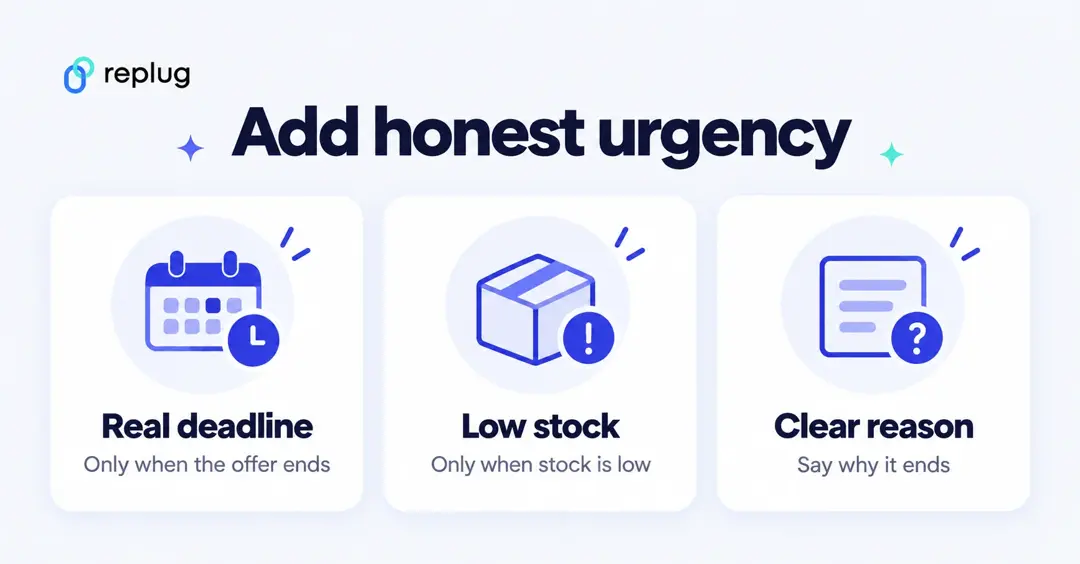
When done right, retargeting ads can lead to great conversion rates. But there’s always room for improvement. You can boost your conversion rates by adding a sense of urgency, like creating FOMO (fear of missing out).
This can be done with countdown timers, last-minute deals, or limited-time offers. When your audience sees that a popular product is available for a limited time, it triggers their impulse to buy. You can also customize your ads with countdown timers to make them feel more urgent.
Keep urgency honest: use a deadline only when the offer really ends and “low stock” only when stock is low. Shoppers notice when a countdown resets.
4. Cross-sell new and existing products
This usually depends on the type of products you sell. However, there’s a good chance that some of your products will complement one another.
You can utilize both customer and sales data to come up with a list that targets particular purchases. Then, you’ll show your audience ads that might be a product that complements their purchase. Your ad should make the value of the purchase clear to their mind. Show them how these purchases will complement one another.
Offering relevant cross-sell suggestions demonstrates that you understand your customers’ needs and preferences. This personalized approach enhances the shopping experience, fostering customer satisfaction and loyalty.
5. Retarget based on the sensitivity of pricing
The most common fixable reason people abandon their carts is cost: in Baymard Institute’s research, 40% of US shoppers who abandoned for a reason other than “just browsing” said extra costs such as shipping, tax and fees were too high (checked October 2026).
If your audience is price-sensitive, retarget them with an answer to the price question rather than the same ad again.
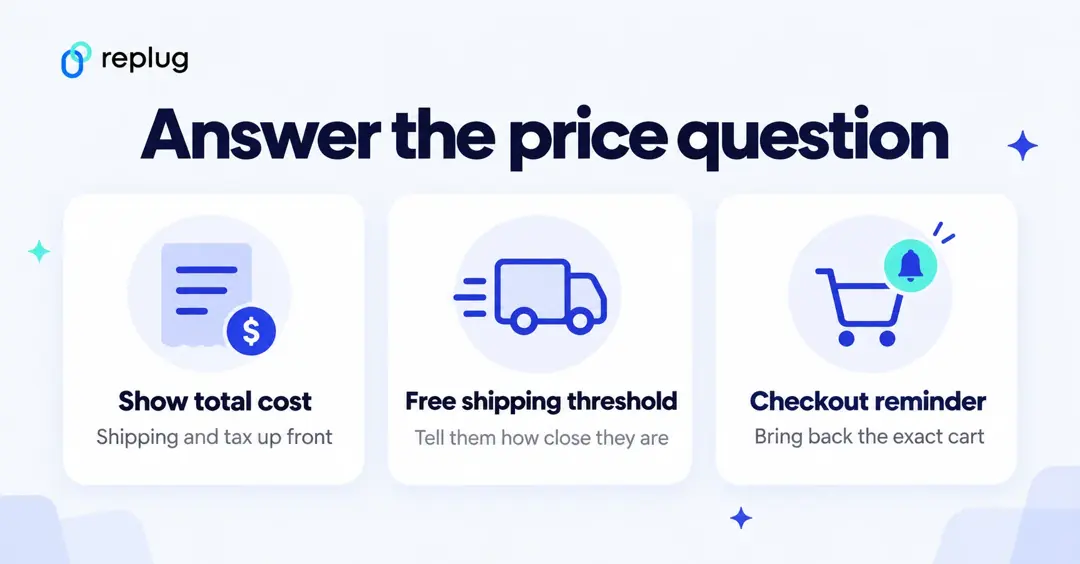
You can target those people who have left at a specific point in the checkout process. For instance, right before they pick out shipping options. You can then offer them free shipping or give them discounts to entice them to come back and make a purchase.
6. Adjust your retargeting ads’ frequency
Most people are quite receptive to eCommerce retargeting ads, just as long as you don’t overdo it. If some ads are frequently popping up, this can hurt the relationship between the brand and the customer.
Up to the point where the customer ends up frustrated with these ads because you’re someone intruding into their lives, in an almost creepy way.
7. Keep your content updated
Repeatedly using the same ad copies in your eCommerce retargeting campaign can quickly diminish its effectiveness. When your customers encounter these ads everywhere, they eventually tune them out, similar to how we overlook billboards or road signs.
This phenomenon, known as advertising blindness or banner blindness, reduces the impact of your messaging. To maintain engagement and combat this, it’s essential to keep your approach fresh by regularly updating your ads to capture your audience’s attention effectively.
8. A/B testing for optimization
Another way to increase ecommerce sales is by exploring diverse ad creatives, copies, and strategies using A/B testing. Experiment with variations to pinpoint what connects most effectively with your audience. If needed, develop new retargeted ads tailored to your user base. Test various elements such as headlines, images, and calls to action to fine-tune your retargeting strategy and enhance overall performance.
9. Monitor and analyze results
Regularly monitor the performance of your retargeting campaigns and analyze metrics such as click-through rates, conversion rates, and return on ad spend (ROAS) to identify areas for improvement and optimization.
Report conversions and ROAS from the ad platform or your store analytics. If you use short links in your campaigns, their click counts show which channels send the most shoppers back.
What is the best tool for retargeting?
The choice of the best tool for retargeting can vary depending on factors such as the specific needs of your business, budget constraints, and the platforms you wish to target.
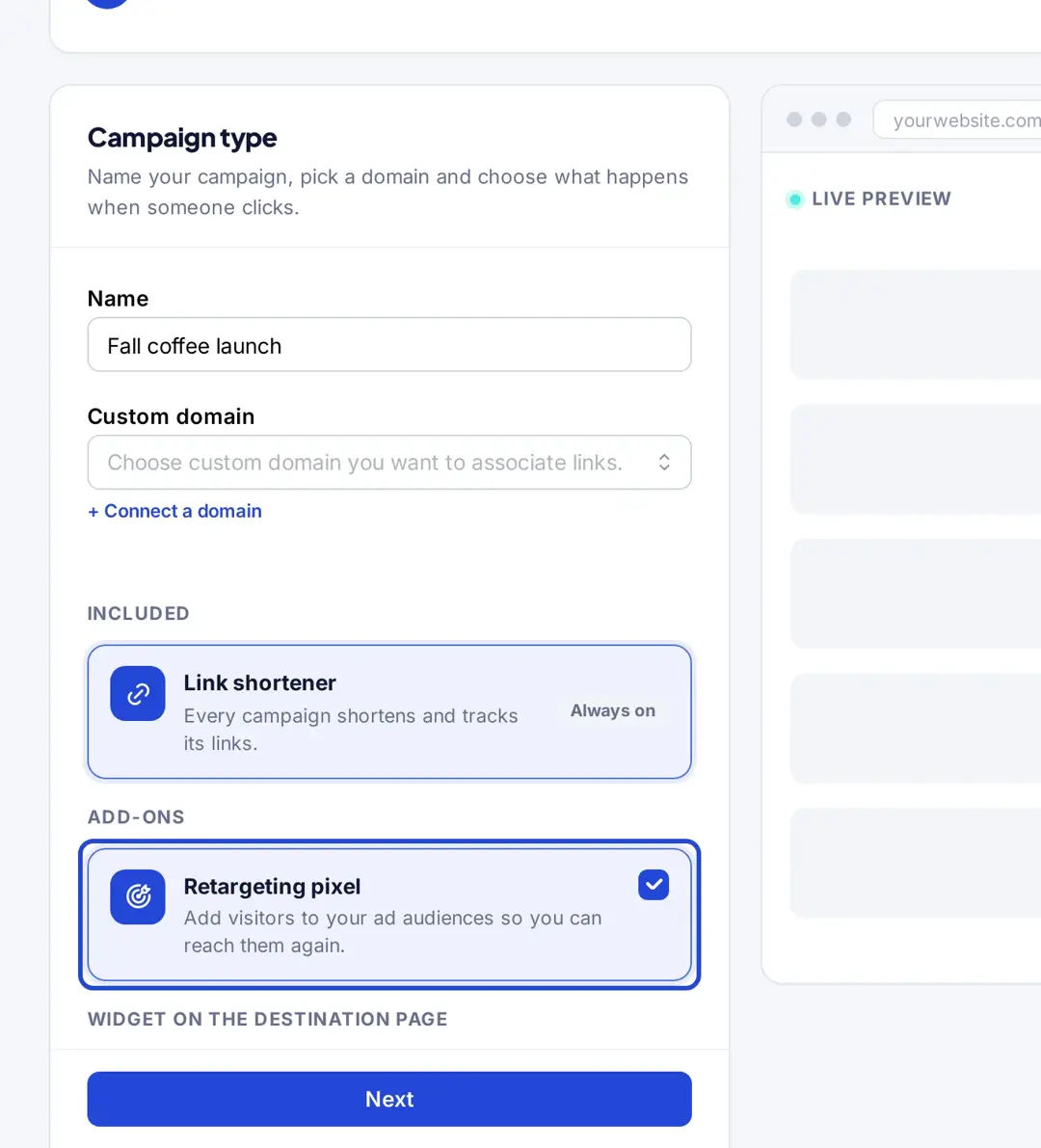
Retargeting itself runs in the ad platforms (Meta, Google, TikTok and others). Replug adds those platforms’ pixels to your short links, bio pages and QR codes, so people who click a link you share join your ad audiences even when the link points to a marketplace or another site. It also offers link cloaking and traffic routing on Scale and Agency; retargeting pixels are included on Essentials (1 pixel) and Scale and Agency (unlimited), per Replug’s pricing. Replug counts clicks; it doesn’t track conversions.
- Replug allows you to create specific campaigns designed for retargeting. Within this campaign, you can define which retargeting pixels you want to use.
- This top-notch link optimization platform integrates with so many popular social platforms, that you can simply add the relevant pixel to your links.
- Once you’ve set up your retargeting campaign with pixels, you can create branded shortened links as usual with this short URL shortener. When someone clicks on your Replug link, the retargeting pixel fires in the background, adding that user to your retargeting audience.
Why eCommerce businesses should prioritize retargeting?
Ever lost a potential customer who browsed your website but left without buying anything? eCommerce retargeting can bring them back!
1. Cross-device retargeting
Shoppers often research across multiple devices – phones, laptops, tablets. Cross-device retargeting ensures your ads follow them easily, keeping your brand top-of-mind no matter which device they use.
2. Email remarketing
Email remarketing is a powerful strategy for eCommerce businesses to tackle one of their most common challenges: cart abandonment. Most store platforms and email tools can send an abandoned cart email automatically when a known shopper leaves items in the cart.
Highlight the abandoned products, offer targeted discounts to incentivize completion, and provide a clear path back to checkout for a seamless recovery experience.
3. Social media retargeting
Retargeting pixels placed on your website to track visitors and then display targeted ads on their social media feeds. These ads can feature products they browsed, similar items, or special promotions, increasing the chances of re-engagement and conversion.
Besides that here are some of the major benefits of retargeting:
- Warmer audiences: Retargeted ads reach users with demonstrated interest, so the message can be specific to what they viewed.
- Brand awareness: By maintaining a presence in front of potential customers, retargeting helps reinforce brand awareness and credibility.
- Customization: eCommerce retargeting campaigns can be tailored based on users’ browsing behavior, ensuring relevant and timely messaging.
- Cost-effectiveness: Retargeting focuses part of the advertising budget on a warm audience; compare its cost per result with your prospecting campaigns.
Best examples of eCommerce retargeting
Here are some of the best examples:
1. Amazon
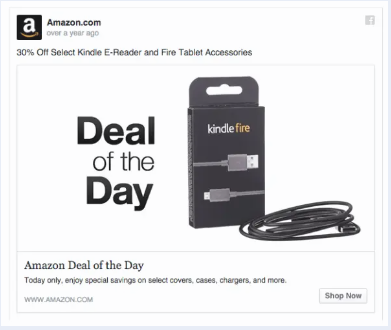
This ad on X (then Twitter) shows how retailers can use native ad formats to put relevant products in front of people who showed interest. The product is sold on Amazon, so people who tap through can buy it there directly. For more ads by type, see our retargeting ad examples.
2. Udemy
The next in line is Udemy, If a user browses through Udemy’s course catalog but doesn’t enroll in any courses, Udemy may use browser retargeting to display targeted ads across other websites visited by the user.

These ads may showcase popular courses or highlight topics the user previously showed interest in, enticing them to return to Udemy and enroll in a course.
FAQs on eCommerce retargeting

Mustafa Niazi