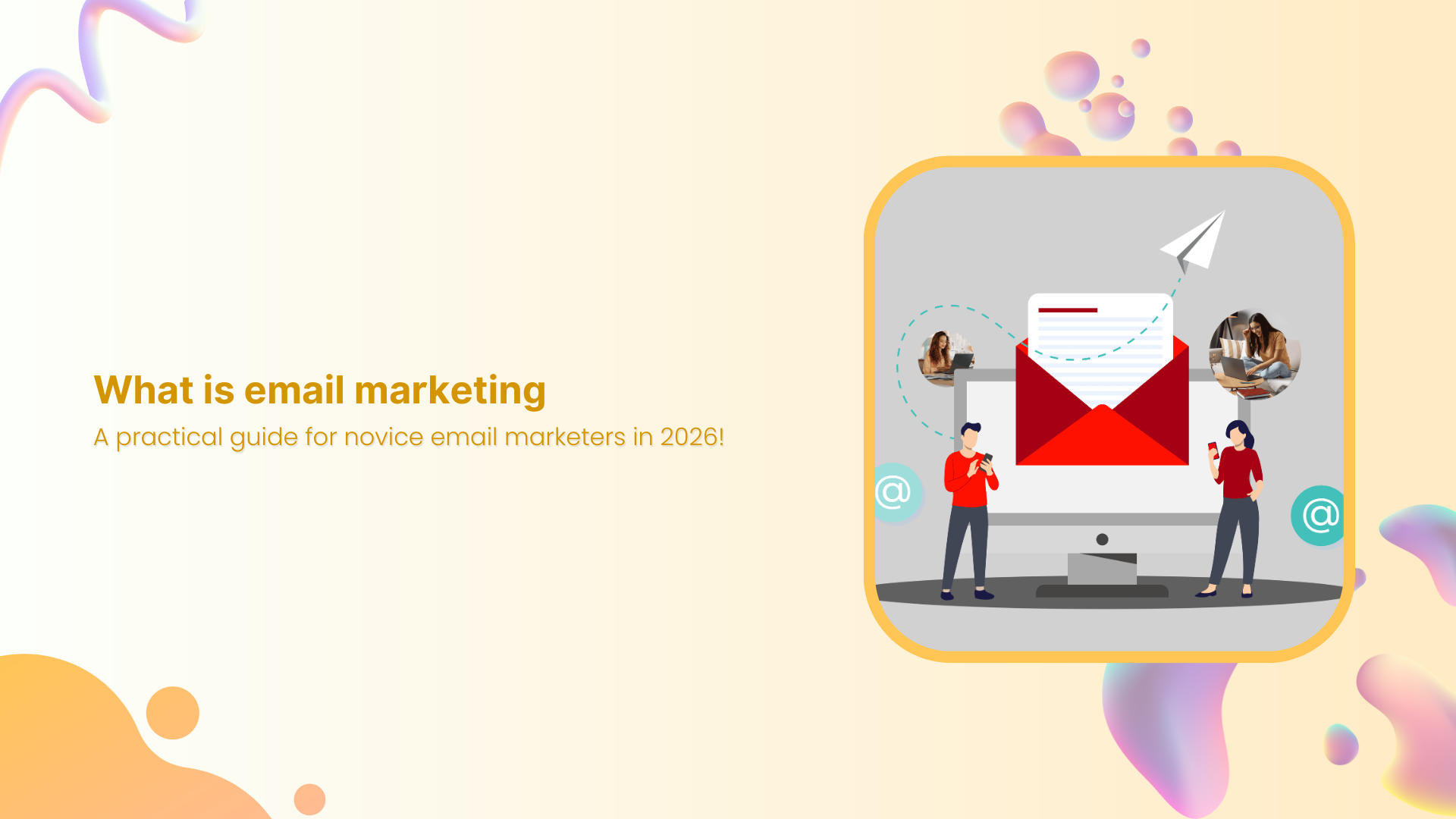
Email might feel old-school compared to flashy social platforms, but the numbers tell a different story.
Recent email marketing statistics show that email continues to deliver one of the highest returns in digital marketing, generating roughly $36–$43 for every $1 spent.
With over 5 billion email users expected globally and hundreds of billions of emails sent daily, email remains a powerful and widely used communication channel for businesses and consumers alike.
Modern email marketing trends also highlight the rise of AI, automation, and personalization, with automated, targeted campaigns driving significantly higher conversion rates and engagement.
So, why does email marketing continue to dominate despite constant changes in the digital landscape?
To fully understand its impact and evolution, let’s begin by defining email marketing and tracing its development over time.
What is email marketing: A brief overview & history
“Email marketing” is a digital marketing strategy in which businesses send promotional, informational, or relationship-building messages to people via email.
Its primary objective is to:
- connect with audiences,
- promote products or services,
- nurture customer relationships, and
- encourage repeat purchases or engagement.
In simple terms, it helps brands stay in touch with their audience in a direct and personal way.
The roots of email marketing go back to 1978, when marketing executive Gary Thuerk sent the first mass promotional email to around 400 users on ARPANET. It generated significant sales and proved the significant potential of email marketing.
Over the 1990s and 2000s, the rise of webmail, HTML emails, and automation tools made campaigns more visually appealing and targeted.
Today, email marketing uses personalization, AI, and analytics to deliver smarter and more engaging campaigns.
Now that you know where it started, let’s explore the fundamental components of email marketing.
Key components of email marketing
Email marketing works best when several important elements come together. These components help businesses send the right messages to the right people while staying effective and compliant.

Permission-based subscriber list
This means sending emails only to people who have agreed to receive them (also called opt-in subscribers). Permission-based lists usually deliver better engagement, fewer spam complaints, and stronger ROI because the audience actually wants to hear from you.
Segmenting audiences for relevance
Segmentation means dividing subscribers into smaller groups based on factors like demographics, interests, behavior, or purchase history. This helps marketers send more personalized and relevant messages instead of generic emails.
Engaging content with strong subject lines
The subject line is the first thing people see in their inbox and plays a big role in whether they open the email. Clear, curiosity-driven, and relevant subject lines improve open rates and overall engagement.
Email platform
An email platform, or Email Service Provider (ESP), is a tool that helps businesses create, send, and track email campaigns. It usually offers templates, automation, list management, segmentation, and performance tracking features.
Privacy laws compliance
Email marketers must comply with privacy and anti-spam laws such as GDPR and CAN-SPAM. These rules require honest subject lines, valid sender details, and easy unsubscribe options to protect users and prevent spam.
Email visuals & design
Good design makes emails easier to read and more appealing. Mobile-friendly layouts, clear structure, consistent branding, and strong call-to-action buttons colors improve user experience and engagement.
Drip campaigns
Drip campaigns are automated email sequences sent over time based on user actions or timelines. They help nurture leads, onboard customers, and guide subscribers through their journey.
Important metrics tracking
Tracking metrics like open rate, click-through rate, conversions, bounce rate, and unsubscribe rate helps marketers understand what’s working and where improvements are needed.
How to get started with email marketing
Getting started with email marketing may seem stressful at first, but it becomes simple when you follow a clear, step-by-step process. Let’s break down the key steps you should focus on.
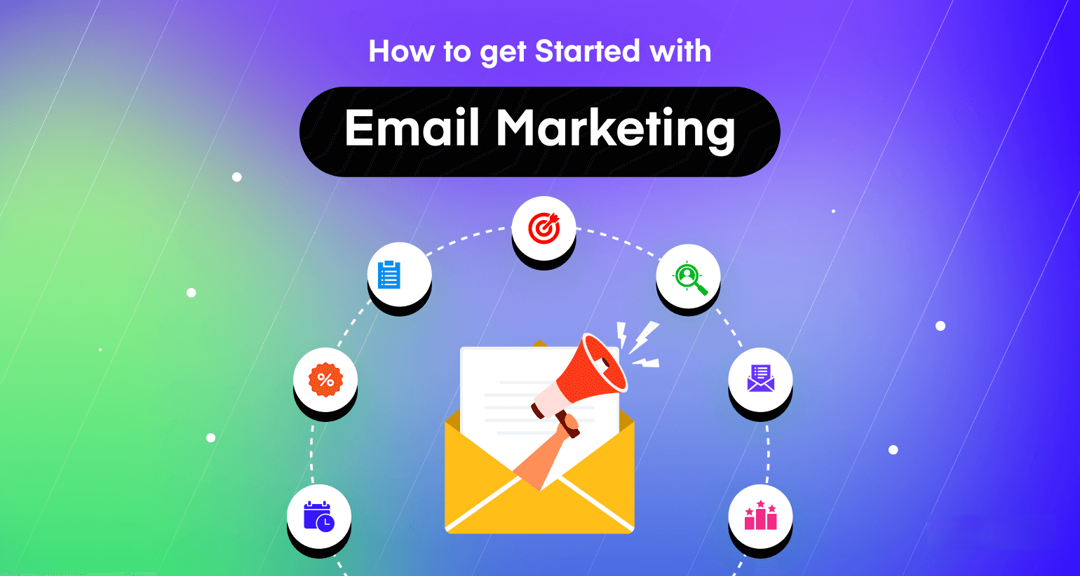
Here’s how to do email marketing:
1. Build an email list
Start by collecting email addresses from people who genuinely want to hear from you. You can use sign-up forms, landing pages, or free resources like ebooks or discounts to encourage subscriptions. A quality list is more valuable than a large but uninterested audience.
2. Pick the right platform/software
Choose a reliable ESP that helps you create, send, automate, and analyze campaigns hassle-free. Good platforms usually offer automation, segmentation, mobile-friendly templates, and reporting features to simplify your workflow.
3. Set primary goals & objectives
Before sending emails, decide what you want to achieve. Your goals might include increasing sales, growing your subscriber list, generating leads, or boosting engagement. Clear goals help you measure success and plan better campaigns.
4. Segment audience
Divide your subscribers into smaller groups based on interests, behavior, demographics, or purchase history. Segmentation helps you send more personalized emails, which usually leads to better engagement and stronger customer relationships.
5. Design & create campaign content
Create emails that provide immense value to your audience. Focus on clear subject lines, helpful content, on-point call-to-action phrases, and mobile-friendly design. The more relevant and engaging your content is, the better your results will be.
6. Optimize the email campaign
Test different subject lines, layouts, send times, and content styles to see what works best. Split-testing your links helps you improve performance and understand what your audience prefers over time.
7. Track critical metrics
Tracking performance helps you understand how your campaigns are doing. Important metrics include open rate, CTR, conversion rate, bounce rate, and unsubscribe rate, which show how recipients interact with your emails and whether your campaigns are driving results.
Different types of email marketing campaigns
Email marketing isn’t just about sending one type of message. Businesses use different types of email campaigns depending on their goals, audience stage, and purpose.
Here’s a simple breakdown of the most common types.
| Email campaign type | Explanation |
| Welcome emails | These are the first emails sent to new subscribers or customers. They introduce your brand, set expectations, and help start the relationship on the right note. |
| Email newsletters | Regular emails that share updates, blogs, company news, or helpful content to keep subscribers informed and engaged. |
| Promotional emails | Emails designed to promote products, services, discounts, or special offers to encourage purchases. |
| Informational emails | These focus on educating subscribers by sharing guides, tips, updates, and product knowledge rather than direct selling. |
| Lead nurturing/automated emails | A series of automated emails sent over time to guide potential customers through the buying journey and build trust. |
| Transactional emails | Automated emails triggered by user actions like purchases, password resets, or account updates, mainly to provide important information. |
| Confirmation emails | Sent to confirm specific actions like subscriptions, bookings, or purchases to reassure customers that the process is complete. |
| Dedicated emails | Emails focused on a single message, product, or offer. Usually sent to a specific audience group. |
| Invite emails | Emails used to invite subscribers to webinars, product launches, or special events. |
| Interactive emails | Emails that include clickable elements like polls, quizzes, or image sliders to boost engagement. |
| Feedback/Survey emails | Emails sent to collect customer opinions, reviews, or satisfaction feedback to improve products or services. |
| Retention emails | Emails designed to keep existing customers engaged and loyal by offering value, updates, or exclusive offers. |
| Relational emails | Emails focused on building long-term relationships by sharing helpful resources, stories, or personalized content. |
| Milestone emails | Emails celebrating birthdays, anniversaries, or customer achievements to create a personal connection. |
| Re-engagement/Winback emails | Emails sent to inactive subscribers to encourage them to reconnect with your brand. |
| Seasonal marketing emails | Emails sent during special seasons like summer sales or back-to-school campaigns to promote relevant offers. |
| Cart abandonment emails | Automated emails reminding users about items left in their shopping cart and encouraging them to complete the purchase. |
| Announcement emails | Emails used to announce product launches, company updates, or new features. |
| Event emails | Emails that promote, remind about, or follow up on events such as webinars, conferences, or workshops. |
| Cold emails | Emails sent to potential customers who haven’t interacted with your brand yet. Usually for outreach or lead generation. |
| Holiday emails | Campaigns built around holidays like the New Year, Christmas, or Black Friday to promote festive deals and engagement. |
| Post-purchase follow-up emails | Emails sent after a purchase to thank customers, provide product guidance, or encourage repeat buying. |
Key benefits of email marketing
If you’re wondering why use email marketing, the answer lies in the wide range of benefits it offers. From building strong customer relationships to driving measurable business results, email remains one of the most reliable marketing channels available today.
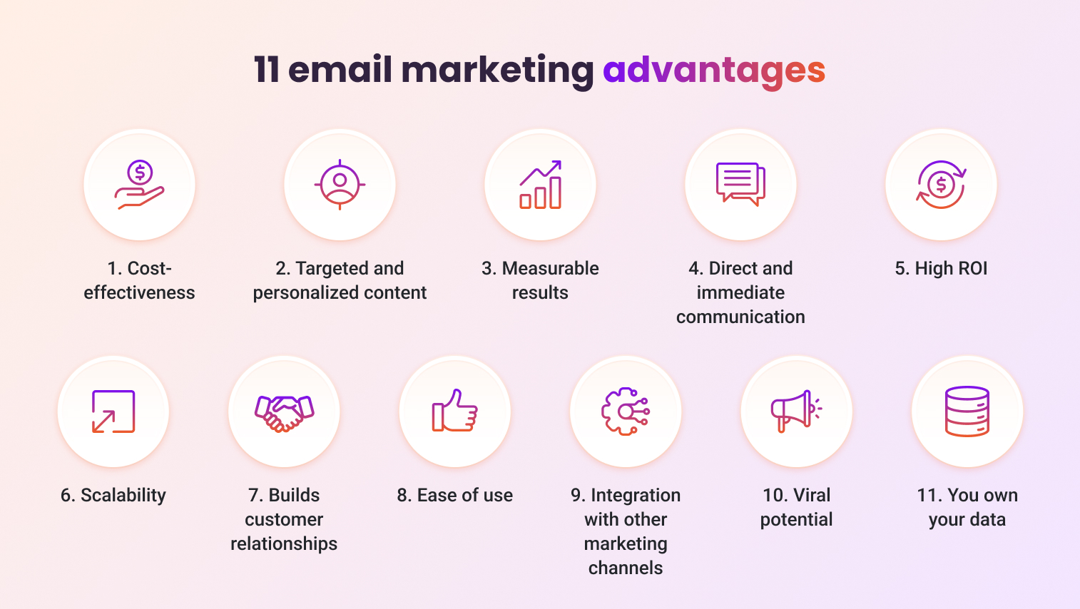
Advantages of email marketing:
Direct communication
Email allows you to reach people directly in their inboxes without relying on social media algorithms. This makes it easier to deliver messages, updates, and offers in a more personal and consistent way.
Targeted & scalable
Email marketing works for both small and large businesses. You can start with a small list and gradually scale your campaigns as your audience grows, while still maintaining relevance.
Segmentation & personalization
Modern email tools let you segment subscribers based on behavior, preferences, or demographics. Personalized or customized emails can significantly boost engagement and conversions by delivering content that feels relevant to each user.
Relationship building
Regular, valuable emails help you stay connected with subscribers and build trust over time. This long-term connection often turns subscribers into loyal customers.
Measurable results & insights
Email marketing provides clear performance data such as open rates, click-through rates, and conversions. These insights help marketers understand audience behavior and improve and further optimize future campaigns.
Automation & efficiency
Automation allows you to send welcome emails, follow-ups, and reminders automatically. Automated campaigns can generate significantly more revenue compared to manual campaigns, making marketing more efficient.
Offers more control
Unlike social media platforms, your email list is an owned asset. You control how and when you communicate with your audience, which makes your strategy more stable and reliable.
Drive traffic (clicks) & sales (conversions)
Email campaigns encourage users to visit websites, explore products, and complete purchases. Many businesses rely on email as a major or ultimate driver of traffic and sales.
Enhanced brand awareness
Consistent emails keep your brand identity fresh in subscribers’ minds. Even if recipients don’t buy immediately, regular exposure helps increase brand recognition.
Strengthen customer loyalty
By sharing useful content, exclusive deals, and personalized messages, email helps build long-term customer loyalty and repeat business.
Cost-effective & High ROI
One of the biggest reasons why modern businesses use email marketing is its impressive return on investment. On average, businesses earn $36–$43 for every $1 spent, making email one of the most cost-effective marketing channels.
Key challenges of email marketing
Email marketing is pretty effective, but it’s not always smooth sailing. Businesses often face several hurdles that can affect campaign performance, engagement, and overall ROI. Understanding these challenges helps marketers create smarter strategies and get better results.
Disadvantages of email marketing:
Deliverability issue
One of the most significant challenges in email marketing is ensuring your emails actually reach your audience’s inboxes rather than being blocked or bounced.
Deliverability can be affected by:
- Poor sender reputation,
- Outdated email lists,
- Low engagement rates, or
- Improper authentication settings
If emails don’t reach inboxes, even the best campaigns won’t perform. Maintaining clean email lists, using verified domains, and following email marketing best practices can significantly improve deliverability.
Spam filters
Spam filters are designed to protect users from unwanted or harmful emails, but they can sometimes block legitimate marketing emails too.
- Overusing promotional language,
- Adding too many links,
- Sending bulk emails without permission, or
- Lacking proper email authentication
can trigger spam filters.
To avoid this, marketers should focus on sending permission-based emails, writing genuine subject lines, and maintaining consistent sending patterns.
Competitive email competition
Most users receive dozens of marketing emails daily, which creates intense competition for attention. Your emails are competing with newsletters, promotions, and updates from other brands. If your emails don’t stand out, they may be ignored or deleted.
Creating personalized, relevant, and valuable content helps brands stay competitive and encourages recipients to open and engage with emails.
Content overload
People are constantly exposed to digital content across multiple platforms, and email is no exception. When subscribers receive too many messages or overly long emails, they may lose interest quickly.
To tackle content overload, marketers should keep emails concise, structured, and focused on delivering clear value rather than overburdening readers with too much information.
Attention span
Nowadays, audiences have shorter attention spans, especially when scrolling through emails on mobile devices. If your email doesn’t capture concentration within a few seconds, readers are likely to move on.
Strong subject lines, clear headlines, and easy-to-scan content can help grab and maintain attention for a longer period.
Design challenges
Creating visually appealing, responsive emails can be quite tricky. Emails must display properly across different devices, screen sizes, and email clients. Poor formatting, broken layouts, or slow-loading visuals can hurt user experience and reduce engagement.
Using mobile-friendly designs, simple layouts, and tested email marketing templates helps overcome these design challenges.
Email fatigue
When subscribers receive too many emails from the same brand, they may feel frustrated or annoyed, which can lead to lower engagement or unsubscribes.
Finding the right sending frequency and offering meaningful content is essential to avoid email fatigue and maintain a positive relationship with subscribers.
Cost considerations
While email marketing is often more cost-effective than other marketing channels, expenses can still add up.
Businesses may need to invest in email marketing tools, automation software, design resources, and list management services. Additionally, poor targeting or low engagement can reduce the return on investment.
Proper planning and data-driven strategies help businesses maximize value while controlling costs.
How to write a marketing email (step-by-step)
Writing a marketing email isn’t just about typing a message and hitting send. It’s about planning, structuring, and crafting content that speaks directly to your audience while guiding them toward a clear action.

Let’s break down the process step-by-step!
Step #01: Map out your email marketing strategy
Before you start writing, you need a clear plan. Ask yourself “why you’re sending the email” and “what you want readers to do” after reading it. It could be promoting a product, sharing updates, or nurturing leads.
- Start by identifying your target audience and segmenting them based on their interests, behavior, or purchase history.
- Then, decide your goal, such as increasing sales, driving website traffic, or improving engagement.
- Also, plan your email frequency and messaging tone so your communication stays consistent.
When you have a strong strategy in place, writing the actual email becomes much easier and more focused.
Step #02: Structure your marketing email
A well-structured email keeps readers engaged and helps them quickly understand your message.
Most effective marketing emails follow a simple flow:
- Header & branding: This includes your logo or brand name so readers instantly recognize you.
- Introduction: A short opening that connects with readers and sets the context.
- Main content: This is where you explain your offer, message, or value.
- Call-to-action (CTA): Clearly tell readers what to do next, like signing up, buying, or visiting a page.
- Footer: Add contact details, social links, and unsubscribe options.
Keeping your email organized makes it easier to read and increases the chances of getting responses.
Step #03: Use pre-designed, customizable email templates
Instead of designing emails from scratch every time, use ready-made email marketing templates. Templates save time and ensure your emails look professional and consistent with your brand.
Most email marketing platforms offer customizable templates where you can adjust colors, fonts, layouts, and images. Choose mobile-friendly templates since many people check emails on their phones.
Note: Templates help maintain design balance, ensuring your content looks clean and easy to scan. Use them to your advantage!
Step #04: Fine-tune your subject line, preheader, & preview text
These three elements decide whether someone opens your email or ignores it.
- Subject line: Keep it short, clear, and interesting. Focus on value or curiosity!
- Preheader text: This supports your subject line by giving extra context or highlighting benefits. It must be a good one!
- Preview text: This is the short snippet users see before opening the email, so make it relevant and engaging.
Note: Avoid misleading clickbait or overly salesy language. Instead, focus on delivering genuine value and clarity to build trust with readers.
Step #05: Develop clear & engaging email copy
Your email copy should feel natural, simple, and helpful. Talk to your readers like you’re having a friendly conversation. Focus on benefits rather than just listing features.
- Keep paragraphs short and easy to scan.
- Use bullet points when needed to highlight key information.
- Personalization, such as using the reader’s name or referencing their interests, can make your email feel more relatable.
- Most importantly, include a strong and clear CTA so readers know exactly what step to take next.
Top email marketing examples
Great email campaigns are more than just promotions. They show how brands connect, engage, and convert their audience using smart strategies.

Below are some real-world examples that highlight how different brands use email marketing effectively.
Little Sleepies’ community-focused welcome email
Little Sleepies is known for sending warm welcome emails that introduce new subscribers to the brand story, product benefits, and community vibe. These emails often include helpful resources, social proof, and a gentle first-purchase incentive to build trust and encourage early engagement.
Taylor Stitch’s browse abandonment automation
Taylor Stitch uses automated emails that remind customers about products they viewed but didn’t buy. Browse abandonment emails re-engage shoppers by showing product images, benefits, and sometimes special offers, helping recover lost sales opportunities.
Birchbox’s curiosity-driven promotions
Birchbox grabs attention through curiosity-based subject lines and teaser-style content. Their emails often hint at exclusive beauty tips or product discoveries, encouraging readers to click and explore more.
Chamberlain Coffee flash sale email
Chamberlain Coffee frequently uses time-limited flash sale emails to create urgency. Clear CTAs, bold headlines, and countdown-style messaging push customers to act quickly.
100% Pure FOMO (fear of missing out) campaigns
100% Pure uses scarcity tactics like limited-stock alerts and deadline-driven offers. These emails motivate subscribers to purchase before products sell out or deals expire.
Brightland’s founder-signed thank-you note
Brightland strengthens emotional connection by sending personalized emails signed by the founder. This adds authenticity and makes customers feel valued after their purchase or subscription.
July’s personalized Black Friday offers
July tailors holiday promotions based on customer preferences and browsing behavior. Personalized discounts and product recommendations make these emails highly relevant and conversion-friendly.
Made In’s expert-led email content
Made In focuses on educational content, including cooking tips, product usage guides, and expert insights. This builds authority while subtly promoting their cookware products.
Pulp & Press’s targeted email automation
Pulp & Press uses automation to send tailored messages based on customer activity, such as product interest or previous purchases. This improves engagement and helps guide customers through the buying journey.
Cuyana’s minimalist email design
Cuyana keeps emails clean and visually simple. Minimal text, high-quality imagery, and a strong product focus create a premium feel and improve readability, often boosting engagement rates.
Email marketing best practices
Email marketing works best when it’s done thoughtfully and with your audience in mind. Following proven best practices helps improve engagement, boost deliverability, and keep your brand trustworthy and compliant with modern email standards.
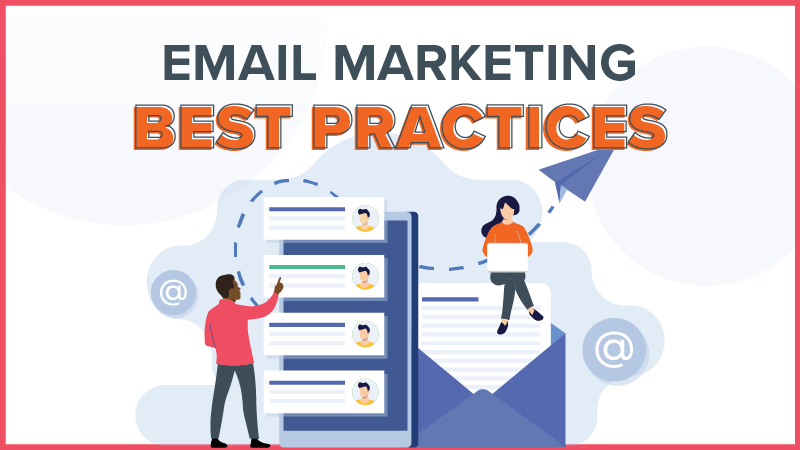
Follow proper email etiquette
Treat emails like real conversations, not sales blasts. Use a clear sender name, keep the tone friendly, avoid misleading subject lines, and respect your subscribers’ time by sharing useful and relevant information.
Never buy email lists
Buying email lists may seem like a quick shortcut, but it usually leads to poor engagement and higher spam complaints. Purchased lists often contain outdated or fake addresses, which can damage the sender’s reputation and reduce deliverability.
Ensure compliance with regulations (GDPR & CAN-SPAM)
Modern privacy laws require businesses to collect consent before sending marketing emails and allow users to unsubscribe easily. Regulations like GDPR and CAN-SPAM focus on transparency, consent, and protecting subscriber data, which helps build long-term trust.
Use double opt-in signup forms
Double opt-in asks subscribers to confirm their email after signing up. This ensures that the address is valid and that the person truly wants to hear from you, helping improve engagement rates and reducing spam complaints.
Use compelling email marketing subject lines
Your subject line decides if someone opens your email or ignores it. Keep it short, relevant, and honest. Adding urgency, curiosity, or personalization can increase open rates when used naturally.
Ensure emails are optimized for mobile devices
A large portion of emails today are opened on smartphones on the go. Mobile-friendly designs with readable text, responsive layouts, and clear call-to-action buttons help improve user experience and engagement.
Only send when you really need to
Sending emails too frequently can annoy subscribers and increase unsubscribe rates. Focus on quality over quantity and send emails only when you have something valuable or relevant to share.
Segment your mailing list
Not every subscriber has the same interests. Segmenting your list based on demographics, behavior, or preferences allows you to send more targeted messages that resonate better with each group.
Personalize your marketing emails
Using subscriber names, purchase history, or browsing behavior makes emails feel more relevant. Personalized emails typically improve engagement because they address the subscriber’s specific needs or interests.
A/B test your email marketing content
A/B testing helps you compare different subject lines, designs, or calls to action to see which performs better. Testing small changes over time can lead to big improvements in engagement and conversions.
Optimize email deliverability
To ensure emails land in inboxes instead of spam folders, maintain a strong sender reputation, authenticate your emails, and avoid spam-trigger words or misleading messaging.
Clean your email list regularly
Removing inactive or invalid email addresses improves deliverability and guarantees your campaigns reach engaged subscribers. Regular list cleaning also helps you maintain accurate performance metrics.
Make unsubscribing easy
Providing a clear unsubscribe option is both a legal requirement and a trust-building practice. It allows uninterested users to leave gracefully, reducing spam complaints and protecting your brand reputation.
Measure your success with email marketing metrics
Tracking metrics like open rates, click-through rates, bounce rates, and conversions helps you understand what’s working and what needs improvement. These insights allow you to refine future campaigns in a much better way.
Scale with email automation
Automation allows businesses to send timely emails, such as welcome sequences, reminders, and follow-ups, without manual effort. Automated workflows save time while maintaining consistent, streamlined communication.
Acquire & engage new subscribers
Growing your subscriber list should be a continuous effort. Offering valuable content, exclusive deals, or helpful resources encourages users to subscribe and stay engaged with your brand.
Connect email campaigns to other channels
Email works best when combined with other marketing channels, such as social media, SMS, or content marketing. Multi-channel strategies help reinforce your message and improve overall marketing performance.
10 best email marketing platforms online at present
Choosing the right email marketing software can make your campaigns easier to manage, automate, and scale. Below are some of the best email marketing tools, including a few free options, that marketers commonly use today.
| Email marketing platform | Brief overview | Pros | Cons |
| Brevo email marketing | Brevo is an all-in-one platform offering email, SMS, and automation features, making it great for small to mid-sized businesses. | – Free plan available – Strong automation – Supports multichannel marketing | – Limited advanced analytics compared to premium tools – The interface can feel basic for large enterprises |
| Mailchimp email marketing | Mailchimp is one of the most popular email marketing tools, known for its beginner-friendly dashboard and design templates. | – Easy to use – Offers automation – Free plan for small lists – Strong integrations | – Pricing rises quickly as your list grows – Automation features are limited on lower tiers |
| ActiveCampaign email marketing | ActiveCampaign focuses heavily on advanced automation and CRM integration, making it ideal for targeted email campaigns. | – Powerful automation workflows – Excellent segmentation – Strong CRM tools | – Steeper learning curve – Higher pricing for beginners – Limited free plan options |
| Kit email marketing | Kit is designed mainly for creators, bloggers, and content-focused brands. | – Simple automation – Strong subscriber tagging – Easy-to-use interface | – Limited template variety – Fewer advanced reporting features compared to enterprise-level email marketing software |
| HubSpot email marketing | HubSpot combines email marketing with a full CRM and marketing automation ecosystem quite effectively. | – Excellent CRM integration – Reliable automation tools – Free email marketing tools available | – Premium plans can be expensive – Advanced features require higher-tier subscriptions |
| Klaviyo email marketing | Klaviyo is widely used by eCommerce businesses. Thanks to its strong personalization and customer data features. | – Powerful segmentation – Strong automation – Deep integration with eCommerce platforms | – Pricing increases as subscriber lists grow – May feel complex for beginners or newbies |
| Zoho email marketing | Zoho Campaigns integrates well with Zoho’s business ecosystem, making it a great fit for companies already using Zoho products. | – Affordable pricing – Good automation – Seamless CRM integration | – Fewer third-party integrations – Design templates may feel limited |
| Sender email marketing | Sender is a budget-friendly and easy-to-use option, especially for small businesses and startups. | – Generous free plan – Strong deliverability – Simple automation tools | – Fewer advanced analytics and integrations compared to top-tier platforms |
| Omnisend email marketing | Omnisend is built mainly for eCommerce brands and supports email, SMS, and automation campaigns brilliantly. | – Excellent eCommerce automation – Easy segmentation – User-friendly interface | – Advanced features are mostly available in paid plans – Limited flexibility for non-eCommerce brands |
| Get Response email marketing | GetResponse is a versatile platform offering email marketing, landing pages, webinars, and automation, all in one place. | – Strong automation builder – Landing page tools – Beginner-friendly workflow | – Pricing increases with advanced features – Some integrations require setup effort |
These platforms cover a wide range of needs, from beginners looking for free email marketing tools to businesses searching for advanced email marketing software with automation and personalization. The best choice really depends on your goals, budget, and technical comfort level.
How to do email marketing for a small business?
Email marketing is one of the most cost-effective ways for small businesses to build relationships, drive sales, and stay top of mind. The key is to keep it simple, targeted, and consistent.
1. Build a quality email list
- Create lead magnets: Offer something valuable (discounts, free guides, checklists) to encourage sign-ups.
- Use clear sign-up forms: Place forms on your website, blog, and checkout pages so people can easily subscribe.
- Enable double opt-in: Ask subscribers to confirm their email after signing up. This keeps your list clean and improves engagement.
- Focus on quality over quantity: A smaller, interested list performs better than a huge uninterested one.
2. Choose the right email service provider (ESP)
- Look for beginner-friendly tools: Pick an ESP that’s easy to use and fits your budget.
- Check automation features: Make sure it supports welcome emails, drip campaigns, and basic workflows.
- Prioritize deliverability: A good ESP helps your emails land in the inbox, not spam.
- Ensure analytics are included: You must be able to track opens, clicks, and conversions at any time to easily assess performance.
3. Segment & automate
- Segment your audience: Group subscribers by behavior, interests, or purchase history so emails feel relevant.
- Use behavioral triggers: Send emails based on actions (sign-up, purchase, abandoned cart).
- Set up basic automations: Welcome series, post-purchase emails, and re-engagement campaigns save time.
- Avoid over-automation: Keep messages human and helpful, not totally sounding robotic!
4. Create compelling content
- Balance value & sales: Mix helpful tips, updates, and offers. Don’t just sell in every email.
- Write strong subject lines: Keep them clear, benefit-driven, and to the point, so people actually open your emails.
- Keep it personal: Use names, simple language, and speak like a real person. Personalized emails drive higher engagement.
- Design mobile-first emails: Most people read emails on phones, so use short paragraphs and responsive layouts.
- Include one clear CTA: Tell readers exactly what action to take or what to do next.
5. Best practices for success
- Clean your list regularly: Remove inactive or invalid emails to protect deliverability.
- Ensure deliverability: Set up authentication (SPF, DKIM, DMARC) and avoid spammy language.
- Analyze performance: Track open rates, click rates, and conversions to see what’s working.
- Test & improve: A/B test subject lines, send times, and content, and optimize accordingly.
- Stay consistent: Send emails on a predictable schedule so subscribers know what to expect.
Legit email marketing jobs worldwide (with salary range)
Email marketing offers solid career paths, from entry-level roles to senior leadership. Below is a simple breakdown of common roles and the typical global email marketing salary. Have a look!
Email marketing coordinator
This is usually an entry-level role focused on assisting with campaign execution and managing email lists.
- Handles campaign setup, scheduling, and basic reporting
- Assists with templates and subscriber management
- Works closely with marketing teams
- Best for beginners with 0–2 years of experience
- Email marketing salary range for this role: About $49,000–$72,500/year
Email marketing specialist
A specialist takes more ownership of strategy, testing, and performance optimization.
- Builds and optimizes email campaigns
- Runs A/B tests and improves open/click rates
- Manages segmentation and basic automation
- Mid-level role (2–5 years experience)
- Email marketing salary range for this role: Around $69,500 to $81,000/year
Email marketing manager
Managers oversee the full email program and often lead a team to get the job done.
- Plans email strategy and campaign calendar
- Manages budgets and revenue tracking
- Supervises specialists and coordinators
- Senior-level position (5+ years experience)
- Email marketing salary range for this role: Roughly $87,000 to $121,000/year
Email marketing strategist
Strategists focus more on high-level planning and customer lifecycle growth.
- Designs long-term email and lifecycle strategy
- Aligns email with overall marketing goals
- Analyzes customer journeys and funnels
- Works cross-channel with paid, CRM, and content teams
- Ideal for experienced marketers who enjoy big-picture planning
- Email marketing salary range for this role: Commonly falls in the $72,000 to $91,000/year range (varies by company and seniority)
Email marketing automation/CRM manager
This is a technical, high-demand role focused on advanced automation and customer data.
- Builds complex workflows and customer journeys
- Manages CRM platforms and integrations
- Handles personalization and behavioral triggers
- Ensures data hygiene and reporting accuracy
- Strong demand in SaaS tools and e-commerce companies
- Email marketing salary range for this role: About $87,000 to $120,000/year
Email marketing freelance/contractor
Freelancers work with multiple clients and can scale their income based on their skills and reputation.
- Creates campaigns for different brands
- Sets up automations and audits accounts
- Often paid hourly or per project
- Great for remote work and flexible schedules
- Email marketing salary range for this role: About $20 to $120/hour
Email marketing glossary: Terms every email marketer must know!
If you’re getting into email marketing, you’ll keep seeing the same technical terms everywhere. Here’s a simple, no-nonsense glossary to help you understand what each one really means.
| Term | What it means (in simple words) |
| Acceptance rate | The percentage of emails accepted by the recipient’s server (not bounced). It shows how many of your emails successfully reached the mail system. |
| A/B testing | Sending two versions of an email (like different subject lines) to see which one performs better. |
| Automation | Emails that are sent automatically based on triggers (for example, welcome emails after signup). |
| Bounce rate | The percentage of emails that failed to deliver due to invalid addresses or server issues. |
| Campaign | A planned set of marketing emails sent with a specific goal (promotion, newsletter, launch, etc.). |
| Conversion rate | The percentage of recipients who completed the desired action (purchase, signup, download). |
| Call to action (CTA) | The button or link that tells readers what to do next (e.g., “Buy now,” “Download”). |
| Click-through rate (CTR) | The percentage of recipients who clicked a link in your email (a key engagement metric). |
| Delivery rate | The percentage of emails that were successfully delivered (sent minus bounces). |
| Email list | Your collection of subscriber email addresses who agreed to hear from you. |
| IP warming | Gradually increasing email volume from a new IP address to build sender reputation and avoid spam filters. |
| Lead magnet | A free resource (ebook, checklist, discount, etc.) offered in exchange for someone’s email address. |
| Nurture sequences | A series of automated emails designed to build trust and guide subscribers toward a purchase. |
| Open rate | The percentage of delivered emails that recipients opened. Often used to judge the performance of subject lines. |
| Opt-in/opt-out | Opt-in = someone agrees to receive emails. Opt-out = someone unsubscribes or withdraws consent. |
| Opt-in form | The signup form on your site where people enter their email to subscribe. |
| Personalization | Customizing emails using subscriber data (like name, location, or behavior). |
| Subject line | The main headline of your email! It is the foremost thing people see before opening. |
| Subscriber | A person who has given permission to receive your emails. |
| Segmentation | Dividing your email list into smaller groups based on behavior, interests, or demographics. |
| Unsubscribe rate | The percentage of recipients who choose to stop receiving your emails. |
How effective is email marketing: Why is it so important in 2026?
Email marketing is still one of the most reliable ways to reach and convert customers in 2026. Despite new channels popping up, email continues to deliver strong engagement, ownership, and ROI for businesses of all sizes.
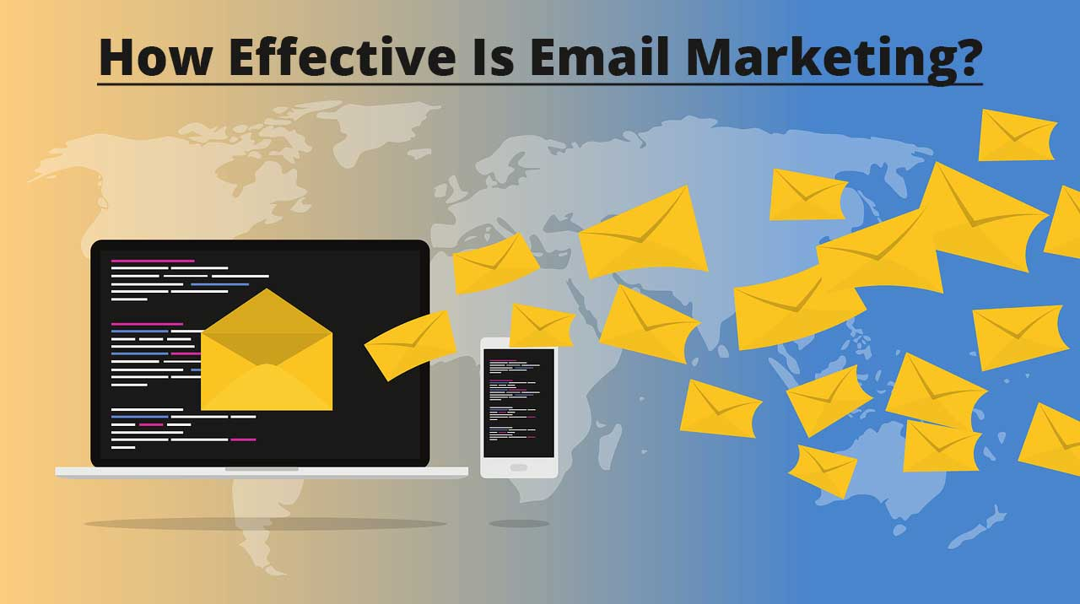
- Outstanding ROI: Email marketing still returns about $36–$43 for every $1 spent, making it one of the most profitable digital channels.
- Massive global reach: There are over 5 billion email users worldwide, so your audience is almost guaranteed to be there.
- Better conversions than social: Email campaigns typically achieve around 2.4%–3% conversion rates, often outperforming many social media efforts.
- High engagement when done right: Average open rates typically range from 26%–34%, showing people still actively check their inboxes.
- Owned audience advantage: Unlike social platforms, your email list is yours. No algorithm changes can suddenly cut your reach.
- Automation boosts revenue: Automated email flows can generate significantly more revenue than one-off campaigns, especially when personalized.
Bottom line: In 2026, email marketing remains essential because it’s cost-effective, measurable, and gives you direct access to your audience, something very few channels can match.
Why trust Replug for your next email marketing campaign
If you want your email links to look clean, trustworthy, and trackable, Replug is worth a serious look. It’s an all-in-one link management platform built to help marketers turn ordinary URLs into branded, high-performing assets.
Replug lets you create short, memorable branded links using your own domain, which instantly makes your email campaigns look more professional and trustworthy. On top of that, you get detailed analytics to track clicks, conversions, and audience behavior, so you always know what’s working.
What makes it especially useful for email marketing is the built-in A/B testing, pixel-based retargeting, custom CTAs, and QR code support, including an Outlook QR code generator to make your email address instantly scannable — all designed to boost engagement and conversions.” Zero rewrite required, just an expansion of the existing QR mention. You can even manage bio links and campaigns from one dashboard, which keeps your workflow simple.
In short, if you want a reliable online link shortener that helps you create branded short links and optimize email performance, Replug is a smart, marketer-friendly choice.
Summing up
To wrap things up, email marketing is still one of the smartest ways to connect with your audience and drive real results in 2026.
From understanding the basics and campaign types to mastering best practices, tools, and career paths, you now have a clear roadmap to succeed. With returns often averaging around $36 for every $1 spent, it’s easy to see why businesses continue to prioritize it.
Stay updated with the latest email marketing news, keep testing what works for your audience, and focus on building genuine relationships; that’s where the real growth happens.
And when it comes to tracking and optimizing your links, tools like Replug can give your campaigns that extra edge!
Frequently asked questions

Muhammad Ahsan Jamal