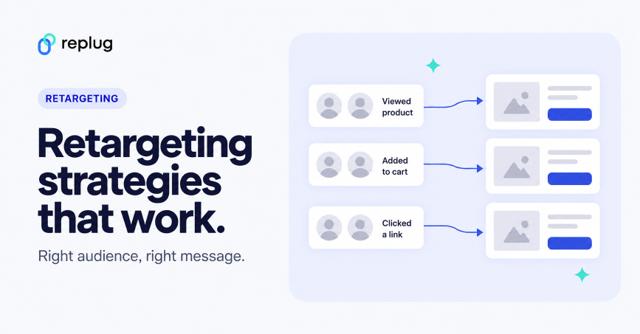
Retargeting is how you show ads to people who already know you: someone who visited your website, used your app or is on your customer list. Most visitors leave without buying; Baymard Institute’s cart abandonment research puts the average documented online cart abandonment rate at 70.22%, based on 50 studies. Retargeting is the ad industry’s way of reaching those people again.
Every online business wants to convert more visitors into paying customers. There are e-commerce stores, SAAS tools, online retailers, and software companies that are competing to get ahead of their competition.
Most online businesses try every tactic in the book to get more sales; they offer discounts, run paid ads, use content marketing, and utilize social media to engage, attract, and convert prospects into customers.
Let’s crack this open and learn what retargeting is and why it’s so important for an online business.
What is retargeting?
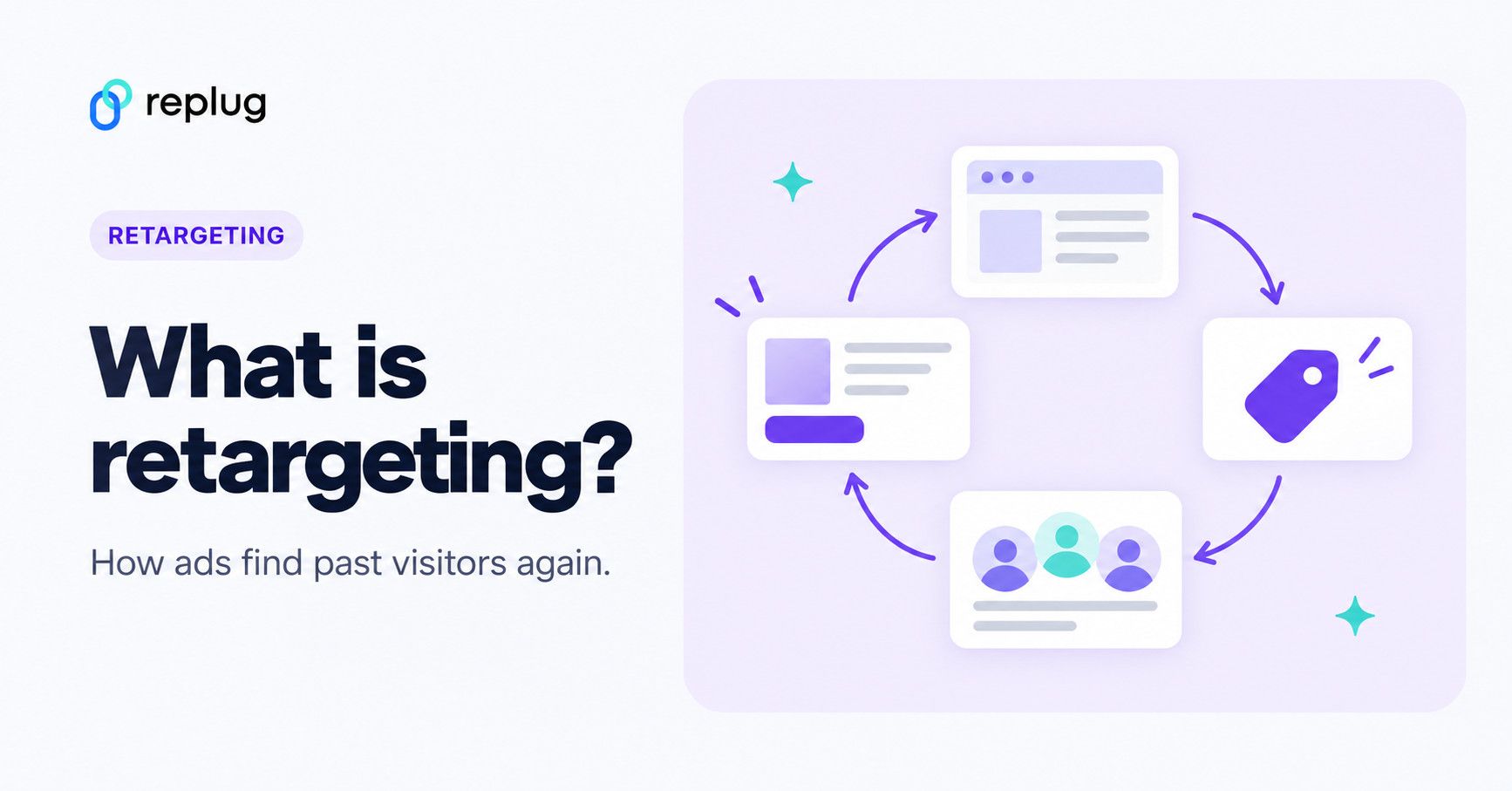
Quick answer: retargeting (Google calls it remarketing, now “your data”) shows ads to people who have already interacted with you. A pixel or tag on your site notes the visit, the ad platform adds that browser or account to an audience, and your ads appear when those people use the platform’s sites and apps. You can also upload a customer list instead of using a pixel. Both depend on consent and on each platform’s rules.
Retargeting is an advertising strategy that allows advertisers to specifically target the audience that has previously shown some interest in the product or service but hasn’t converted yet.
Usually, brands retarget prospects that visited their websites, but the interaction didn’t end with a purchase. So, retargeting is used to show ads to the same audience that has interacted with the website or landing page but hasn’t purchased anything.
E-commerce stores, online retailers, and SAAS companies use retargeting ads across all major social media platforms, such as Facebook, Instagram, YouTube, etc.
Note: If you use a link management platform, you can turn every shared link into a trackable, retargetable asset, which simplifies managing all your traffic sources and retargeting efforts.
Retargeting vs. remarketing
Most marketers use the two words for the same thing. Google’s product was called remarketing, and Google Ads Help now says “remarketing” is referred to as “your data” (see About your data segments). Some teams use “retargeting” for ads to past site visitors and “remarketing” for re-engaging past customers, often by email. The mechanics below apply to both.
How does retargeting work?
Retargeting (also known as remarketing) is an advertising strategy where advertisers run ads targeting visitors who have visited their website before.
Brands use social media platforms like Facebook, Instagram, or YouTube to reconnect with potential clients who have shown some interest in their products in the recent past.
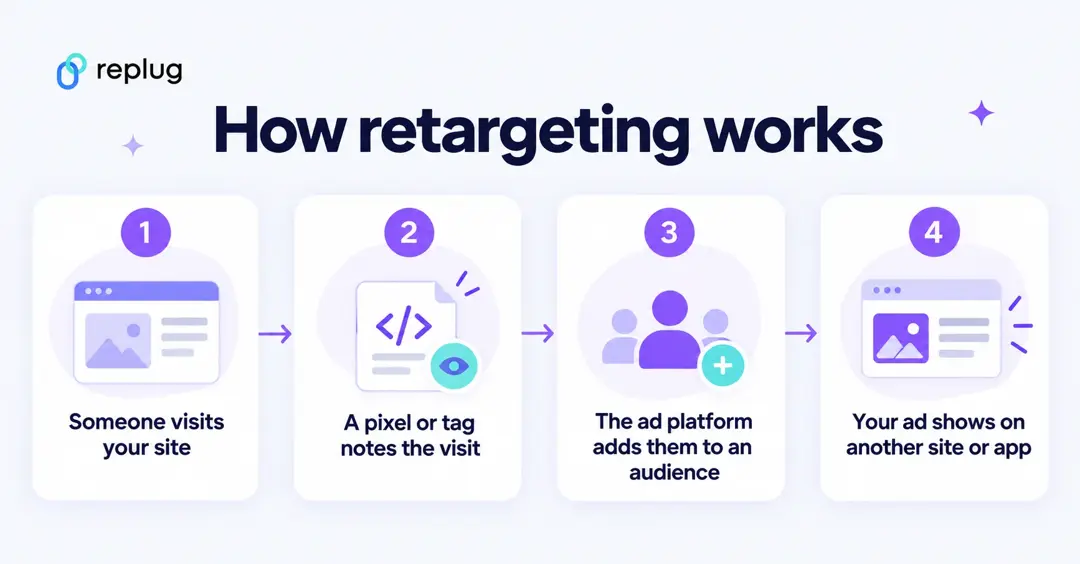
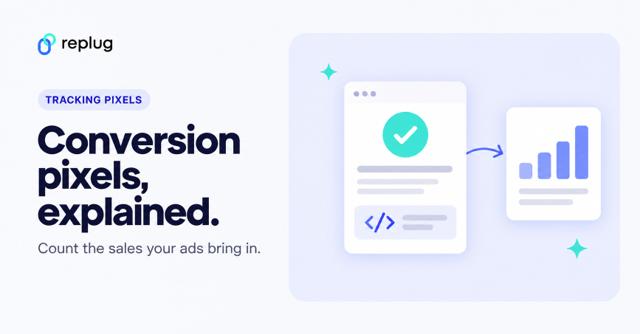
The way retargeting works is that it requires a piece of code called “pixel” that needs to be inserted into the website or landing page’s code. Its entire job is to collect data about the website visitors’ behaviors, actions, and preferences.
The brand/advertising uses the crucial information that pixel collects to reach out to the same audience through a retargeting ad campaign. Most social media platforms guide users on how to find and place the “pixel” code. Since it’s essential to the retargeting process, it must go through smoothly.
Once the pixel is perfectly added to the website code, it starts to track user actions on the website and helps advertisers retarget those same users on the social media network.
What does the pixel actually collect? Meta describes its pixel as “a piece of code” that measures “the actions people take on your website,” such as page views and purchases (see About Meta Pixel). Those events travel with browser identifiers such as cookies, which is why most privacy laws treat pixels like cookies. Check which events and parameters your tags send, since page URLs and form fields can carry personal data. For a closer look at the technology, see how tracking pixels work.
Why is retargeting a must?
Advertising is a form of paid marketing where brands spend money to put their offer in front of the prospective customer. Now, it’s up to the customer to take action on the offer.
A lot of variables come into play, such as product quality, pricing, and customer purchasing power – all these factors determine whether or not the customer is willing to buy the product right away.
On the other hand, retargeting allows you to connect with potential customers even when they don’t make the purchase decision while visiting your site for the first time. Instead, if you have launched a retargeting campaign, then these customers will be reminded to complete their purchase journey later on with retargeting ads. You still pay for those ads like any other campaign, but you spend on people who already know you.
Retargeting has been a phenomenal sales and marketing tactic for many businesses on the market. One of the reasons why retargeting is so crucial is that it targets customers who have previously shown some interest in the product.
Therefore, the brands only reach out to the customers who showed interest in the first place.
This is why retargeting is an essential marketing strategy for online and e-commerce businesses to implement.
You may also like: 9 ways to multiply your sales with eCommerce retargeting
How successful is retargeting?
Retargeting is also called remarketing in the digital marketing world, and most ad platforms offer it: Google says its remarketing segments can reach people across more than 2 million websites and mobile apps (Google Ads Help).
Undoubtedly, retargeting is a quite successful marketing strategy across many industries. The only caveat is that retargeting works well when there is a conversion tracking system is in place. Otherwise, it will be difficult to report the conversion that happened as a result of the campaign.
Moreover, sharing a short URL can help. It looks cleaner, is easier to manage, and ensures your tracking remains consistent across channels.
Retargeting works for many kinds of goals: product purchases, PDF downloads, free trials and SaaS sign-ups. Clear creative and a landing page that matches the ad matter more than any tool.
The success of a retargeting campaign relies on the quality of conversion tracking, funnel creation, and performance reporting.
Retargeting by the numbers
Many retargeting “statistics” online trace back to old vendor blog posts. These come from the platforms and researchers themselves:
- 70.22% is the average documented online cart abandonment rate, calculated by Baymard Institute from 50 studies (Baymard, cart abandonment rate statistics).
- 2 million+ websites and mobile apps can show Google remarketing ads, per Google Ads Help.
- 100 active visitors or users in the last 30 days is the minimum size for a Google Display or Search remarketing segment, per Google Ads Help.
- 540 days is the longest membership duration Google allows for a data segment, per Google Ads Help; Customer Match memberships also expire after 540 days (Google Ads Help).
- 30 days is the example window Meta uses for retargeting website visitors who haven’t converted, in its guide to website custom audiences.
What you won’t find here are universal click-through or conversion rates for retargeting: they depend on your product, audience and frequency, so measure them in your own account.
Types of retargeting
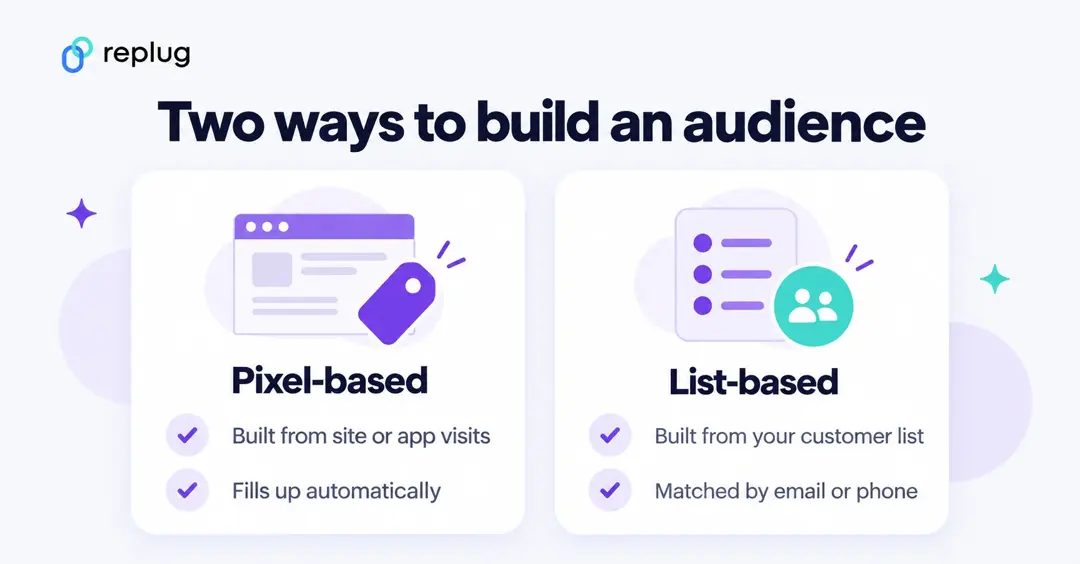
There are two types of retargeting ad campaigns used by advertisers/brands:
1. Pixel-based retargeting
Pixel-based retargeting is the common type of retargeting that involves adding a code snippet called pixel to the website code. The pixel is responsible for tracking website visitors’ information and facilitating advertisers when running targeted ad campaigns.
All major social media platforms like Facebook, Instagram, YouTube, and TikTok allow remarketing of the audience using pixel-based retargeting.
2. List-based retargeting
List-based retargeting is a retargeting method that ensures the advertiser provides a list of the prospective audience to reach out to through an ad. The list could be the list of website visitors, email subscribers, LinkedIn contacts, or existing customers.
On Google this is Customer Match; on Meta it is a customer list custom audience. Meta hashes the emails, phone numbers and other identifiers you upload before matching them to accounts, and says it doesn’t learn new identifying information from the hashed data.
The list makes it easier to target the list of prospects that might be interested in the offer and helps assist the advertiser to get one step closer to the prospective audience.
Both these retargeting ad campaign types are crucial to setting up a successful retargeting ad campaign. However, the advertiser needs to choose the most suitable retargeting ad type to get the best results.
6 methods of retargeting
Let’s take a look at some of the popular retargeting campaigns:
1. Search retargeting
Search retargeting is a type of retargeting ad campaign that focuses on search. Usually, advertisers use Google Ads for search retargeting, adding a data segment to a Search campaign.
The way it works is that the advertisers can run search retargeting campaigns in a couple of ways: they can target by bidding on the new keywords and display ads to the users on their remarketing list.
On the other hand, the advertisers can increase their CPC budget to display ads just to the remarketing list. It makes their search retargeting campaign laser-focused on on the select number of website visitors that have shown interest in the past.
Related: Google Ads Retargeting: The ultimate guide for 2026
2. Email retargeting
Email retargeting is a method of retargeting customers who have visited your website and checked out your products or services but haven’t taken any further action.
It involves creating personalized email marketing campaigns targeting prospects or subscribers who have shown some interest in your products but didn’t go through the purchase process.
Most e-commerce stores use email retargeting to re-engage their customers or prospects. They send out emails about abandoned carts or products added to the wishlist, offering discounts or simply reminding the customers to complete the purchase.
3. Social media retargeting
Social media retargeting allows advertisers to reach out to the audience that has shown signs of interest in the products or services but hasn’t taken any action.
However, this method of retargeting involves targeting the audience through social media ads. Usually, social media retargeting requires the “pixel” code provided by the social media platform, and it goes into the website or landing page code.
Once enough data is collected, the users can start retargeting the audience on social media platforms.
Social media retargeting is one of the most common methods to run remarketing campaigns. All major social media platforms, such as Facebook, LinkedIn, YouTube, Instagram, and TikTok allow advertisers to run retargeting campaigns.
4. Display retargeting
Display retargeting is a follow-up display ad campaign that is intended to remarket the audience that has already seen the previous ad or campaign.
The purpose of display retargeting is to strengthen the prospect and brand relationship and reemphasize the brand values to improve brand loyalty.
It’s also known as display remarketing. One of the major aspects of display remarketing is to rejuvenate the connection with the prospects and push them down the funnel.
5. Dynamic retargeting
Dynamic retargeting is a type of retargeting that allows advertisers to create ads based on the products or services the visitors have shown interest in or interacted with during their previous visits to their websites.
Make sure that your Google Tag is properly set up for running a dynamic remarketing campaign. Moreover, the Google Merchant Center’s product ID format and the Google Tag settings should be compatible for seamless integration.
6. Ad click retargeting
Ad click retargeting is a remarketing ad campaign that targets the audience that has previously clicked on the advertiser’s ads.
The goal of an ad click retargeting campaign is to reinforce the message to the audience that has shown interest in the ad and to bring them back into the loop.
These are some of the methods of retargeting used by advertisers or brands across the globe.
When to run retargeting campaigns?
Retargeting is an essential marketing strategy that every online business must try at some point. However, a lot of business owners aren’t sure when to implement a remarketing tactic in their digital marketing campaigns. Here are the scenarios when you should go for retargeting campaigns:
Website getting some traction:
Start once your site or app has steady traffic. Each platform sets a minimum audience size: Google Display and Search segments need at least 100 active visitors or users in the last 30 days, per Google Ads Help, and other platforms set their own minimums (see retargeting platforms compared).
Introducing new collection:
Brands or business owners can use retargeting to re-engage past visitors with ads showcasing their new product collection. By targeting users who have previously shown interest in their brand, they can pique their curiosity and encourage them to explore new products.
Promoting best-sellers:
Reaching out to existing customers and offering the best-selling items with retargeting ads is a fantastic move. Highlighting popular products can drive repeat purchases and leverage items with proven demand.
Clearing inventory:
Retarget visitors who showed interest in products you’re looking to clear. Retargeting ads are an excellent way to move inventory and create space for new arrivals. Ads offering special discounts or limited-time offers can incentivize visitors to take action.
Building brand awareness:
Advertisements aren’t always about selling products immediately. Employ retargeting ads to keep the brand top-of-mind for visitors who didn’t convert initially. Consistent exposure through well-crafted ads helps build familiarity and trust with your audience. It will lead to higher conversion when the potential customers already know the brand.
6 major benefits of retargeting ads
Take a look at some of the benefits of retargeting ads:
1. Enhanced brand awareness
Retargeting ads keep your brand in front of potential customers, reinforcing brand awareness and increasing the chances they will remember your brand when ready to make a purchase.
2. Improved conversion rates
By targeting users who have already shown interest in your products, retargeting ads have a higher likelihood of converting these warm leads into customers compared to standard ads.
3.Cost-effective advertising
Retargeting ads often yield a better return on investment because they focus on an audience that has already interacted with your brand, reducing the cost per acquisition.
4.Personalized marketing
Retargeting allows for customized ad content based on user’s previous interactions with your site, enhancing relevance and engagement by catering to their specific interests.
5. Increased customer retention
Engaging past customers with retargeting ads encourages repeat purchases, fostering customer loyalty and boosting lifetime value.
6. Better ad relevance
Since retargeting ads are shown to users who have already expressed interest in your products, these ads are inherently more relevant, leading to better user experience and higher click-through rates.
Retargeting ad examples
Most retargeting ads fall into three patterns:
- Cart or product reminders. Show the item someone viewed or left in the cart, often with dynamic ads built from a product feed.
- Content to offer. Readers of a guide or watchers of a video see an ad for the related product or a free trial.
- Cross-sell and upgrade. Existing customers see the next plan, an add-on or a refill.
For real, public campaigns in each pattern, with sources, see our retargeting ad examples.
Retargeting use cases
Retargeting ads have been around for years, and more and more brands are taking advantage of such ad campaigns. Our selected use cases show why it’s important to pay close attention to remarketing to the audience that has shown some interest in the seller’s products.
Let’s dive into different retargeting use cases that further glorify the impact and effectiveness of a retargeting campaign.
Social media marketing & retargeting pixels
- It helps in establishing and implementing the laser-focused goal of the advertiser. The brand or advertiser starts a retargeting campaign with clarity in mind.
- It makes targeting a specific audience easier than ever. The audience that has previously shown interest in your products can be reached with the power of a link retargeting tool.
- Most ad platforms offer a pixel or tag. Replug lets you add pixels from Meta, Google, X (Twitter), LinkedIn, Pinterest, TikTok and Quora to your short links.
Email marketing & retargeting pixels
- Retargeting newsletter audience allows brands, individuals, and agencies to target the subscribers who have opened the email and clicked the CTA. Sometimes, it’s useful to analyze the conversion rate after sending out the email. It’s also important to know that everyone who clicks the CTA won’t be buying the product.
- The email marketing experts use advanced features available in many email marketing softwares that create segments of the audience. It gets easier to target the specific group of subscribers who haven’t taken a specific action, for instance, not opened the last five emails, etc.
E-commerce marketing & retargeting pixels
- E-commerce businesses want to improve their conversion rate so using retargeting pixels helps them target the audience that checked out the product on the website but didn’t end up buying it. So, brands easily target them via retargeting ads.
- Retargeting helps e-commerce businesses identify the customers who have added the products to the wishlist or added to the cart but didn’t go through the transaction. So, one of the benefits of retargeting is to identify and reach out to those customers through retargeting ads.
- Targeting prospective audiences across multiple social and search platforms is yet another benefit of retargeting. The e-commerce store can retarget the audience on Facebook, Instagram, Quora, etc.
Blogging & retargeting pixels
- Bloggers can use retargeting in different ways. However, the purpose of retargeting remains the same. Bloggers often promote offers and run social media ads. They can retarget the readers who have visited their blog through social media retargeting ads and see how it works out.
- Bloggers have sales pages for their own products or affiliate products, so they can specifically retarget the audience who have visited those sales pages, making it easier to manage the campaign.
- Retargeting pixels can come in handy when bloggers are running lead-generation campaigns. They can retarget the audience that visited their blogs but never converted. Therefore, they can use Google ads or social media ads to bring those visitors back for push them down the funnel.
Retargeting from links to pages you don’t own
A pixel normally lives on your own website. If you share links to other sites, such as a news article, a marketplace listing or a partner’s page, you can’t add your pixel there. A link retargeting tool fires your pixel when someone clicks your short link, then sends them on to the destination. Replug’s retargeting pixels work this way, and the visitor joins your audience on the ad platform even though the page isn’t yours.
- In Replug, go to Settings > Retargeting Pixels and click Add Pixel, then pick the network and paste your pixel ID.
- Create a campaign with the Retargeting pixel add-on and choose the pixel.
- When you shorten a link, pick that campaign in the Campaign field.
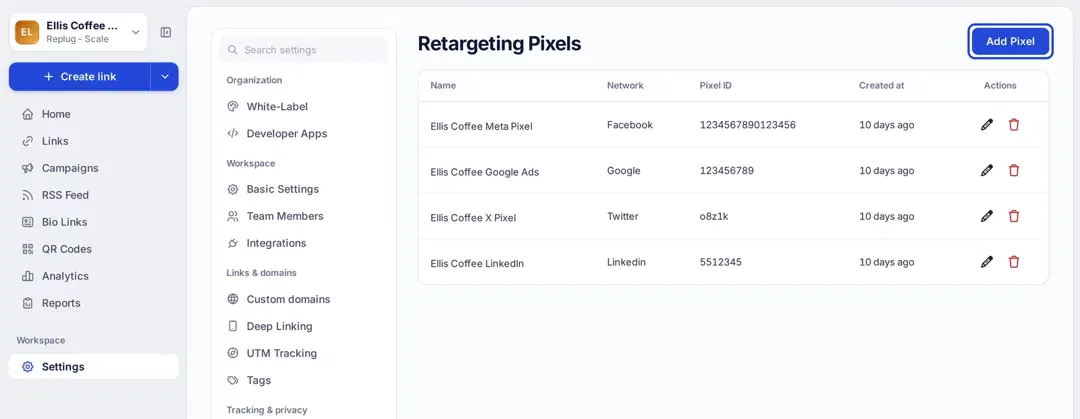
Retargeting pixels are on the Essentials plan (1 pixel) and on Scale and Agency (unlimited), per Replug’s pricing. The same consent rules apply to pixels fired from a short link as to pixels on your site.
Retargeting, privacy and consent
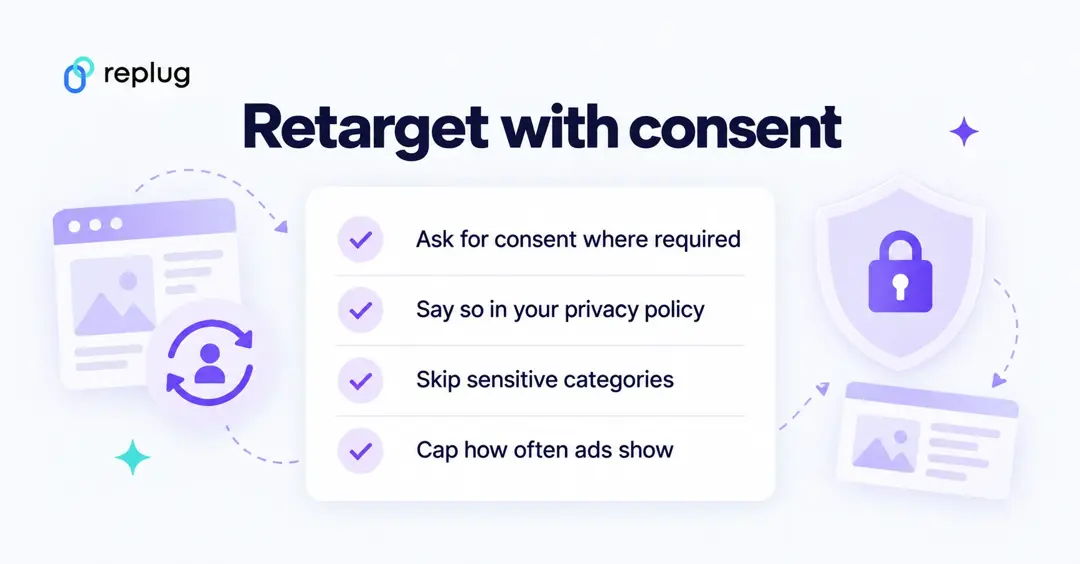
Retargeting depends on identifiers, so privacy rules shape what you can do:
- Consent for cookies and similar tech. In the UK, the ICO says you “must tell people if you set cookies” and “must also get the user’s consent,” with a clear positive action (see ICO guidance on cookies). EU rules work the same way. Google’s consent mode passes your banner’s consent choices to Google tags so they respect them.
- Sensitive categories. Google restricts personalized ads in sensitive interest categories such as health, and doesn’t allow remarketing tags on pages about policy-restricted offers (see Google’s personalized advertising policy). Meta and other platforms have similar limits.
- Browsers and phones. Safari has blocked third-party cookies by default since March 2020 (WebKit). On iOS, apps must ask permission through App Tracking Transparency before tracking people across other companies’ apps and websites (Apple Developer). Chrome still lets users choose about third-party cookies, and in October 2025 Google said it is retiring several Privacy Sandbox technologies, including Protected Audience and Topics (Privacy Sandbox blog).
- Your privacy policy. Say which pixels and ad platforms you use and how people can opt out.
Because of these limits, more advertisers combine pixels with server-side events and customer lists, which rely on data people gave you directly.
How to make retargeting effective
An effective retargeting campaign requires the following credentials:
1. Deep understanding of the audience
Start with figuring out your marketing goals, ambitions, and targets. It will help you understand the right target audience you want to reach out to. It’s necessary to have a crystal clear picture of the target audience before you start setting out a marketing and engagement journey.
2. Precise targeting when remarketing
Precise targeting means hitting the bullseye when trying to connect with the audience through ads. Remarketing is all about re-engaging the audience that has interacted with your website or content before. Therefore, the targeting needs to be accurate to reach out to the audience that has the potential to convert into paying customers.
3. Ensure efficient conversion tracking
Conversion tracking is crucial to any marketing campaign. Marketers should ensure that they have an efficient conversion tracking and reporting system in place to record the outcome of the remarketing campaign.
4. Analyze campaign performance
Every marketing campaign is analyzed at some point to see the ROI of the campaign. One of the aspects of an effective retargeting campaign is to make sure that the advertiser knows how to analyze the campaign performance and should be able to present the campaign performance report.
5 do’s & don’ts of retargeting
Let’s take a look:
| DO’s of Retargeting | DON’Ts of Retargeting |
Segment your audience: Use data to segment your audience based on behavior, such as page visits, time spent on site, or items added to the cart. This allows for more personalized and effective retargeting campaigns. | Overwhelm users with ads: Avoid bombarding your audience with too many ads, as this can lead to ad fatigue and negative brand perception. Overexposure can drive potential customers away instead of attracting them. |
Set frequency caps: Limit the number of times your retargeting ads are shown to each user to avoid ad fatigue and annoyance. Optimal frequency ensures your brand stays top-of-mind without becoming intrusive. | Ignore user privacy: Don’t disregard privacy regulations such as GDPR or CCPA. Ensure compliance by obtaining proper user consent for tracking and communicating how their data will be used. |
Create compelling ad copy: Design ads with clear, compelling messages and strong calls to action. Use eye-catching visuals and offers that resonate with the interests and behaviors of your segmented audiences. | Use the same ad for everyone: Don’t create a one-size-fits-all ad campaign. Personalization is key; different users have different needs and interests, and your ads should reflect those differences. |
Utilize dynamic retargeting: Implement dynamic retargeting to show personalized ads that display products or services users have previously viewed, increasing the likelihood of conversion by showcasing relevant items. | Forget to exclude converted users: Always make sure that users who have already converted (e.g., made a purchase) are excluded from your retargeting campaigns. Continuously targeting these users is a waste of resources and can be annoying to them. |
Monitor and optimize campaigns: Continuously track the performance of your retargeting campaigns. Use analytics to understand what works and make necessary adjustments to improve ROI, such as changing ad creatives or adjusting bid strategies. | Rely solely on retargeting: Don’t rely exclusively on retargeting for your marketing strategy. It should complement broader marketing efforts, including brand awareness and lead generation campaigns, to drive overall growth and success. |
Read more: 7 retargeting best practices every marketer should follow
How to fit retargeting into your marketing strategy?
Retargeting plays a vital role in modern-day marketing strategies for brands, agencies, and online retailers. Retargeting is an advertising campaign, but it’s tailored toward the audience that has visited the website or interacted with the brand before.
Running regular social media or search ad campaigns is half the equation – the rest is done by retargeting. The reason behind this claim is that it’s difficult for prospects to trust a brand or product they see for the first time through an ad.
By the time they come across a retargeting ad, they have already heard or seen the brand. So, there is a little bit of brand awareness has already been established, which helps businesses convert the prospect into paying customers.
Therefore, retargeting is crucial to running a successful marketing campaign for any online retailer, e-commerce store, SAAS company, indie app, and web-based tool.
Here are the commonly asked questions about retargeting:
FAQs about retargeting

Mustafa Niazi