It’s no surprise that brands and influencers are eager to find new ways to get eyeballs, grasp attention, and talk to people regardless of the platform.
There are a ton of channels of communication these days, such as social media, newsletters, online ads, TV commercials, billboards, and more.
Social media is a powerful avenue to build awareness, spread the word, and market a product. Facebook, Instagram, TikTok, LinkedIn, Pinterest and the rest each reach a different crowd, which is why brands and agencies spend so much of their ad budget there.
Quick answer: social media retargeting shows ads on social networks to people who already interacted with you: they visited your site, engaged with your posts or ads, used your app or are on your customer list. Each network builds these audiences with its own pixel or tag and audience tools, for example Custom Audiences on Meta and TikTok or Matched Audiences on LinkedIn.
Below: how it works, what each network lets you retarget (with each platform’s own documentation), strategies, examples and how to retarget people who click the links you share.
What is social media retargeting and its importance in the digital world?
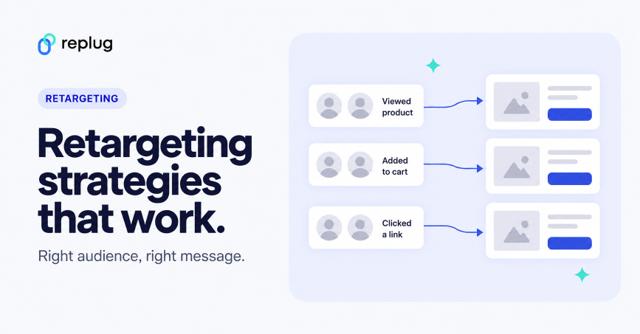
Retargeting is a marketing strategy to remarket a product to the same audience that has previously shown some interest in it. See our retargeting guide for the full picture.
Have you ever had a chance to see the display ads about the website you visited the other day? It happens to all of us and some of us wonder how this happens – well, now you have the answer.
Social media retargeting is just the same retargeting concept applied to social media networks. Advertisers try to meet, engage, and convert the same visitors who visited them before using social media retargeting campaigns.
Advertisers use retargeting ads on Facebook, Quora, YouTube, and other major social media ad platforms.
Here are the three reasons why it’s important in the digital world:
i. Global reach: Since these social media platforms allow marketers and brands to reach a global audience, social media retargeting has essentially become an important digital marketing tool to remarket a product or service worldwide.
ii. Effective targeting: One of the reasons why social media retargeting is crucial to any digital marketing campaign is that it’s quite effective when it comes to targeting the prospective audience. The ad campaigns without clear targeting are hit-and-miss.
iii. Warmer audiences: Retargeting reaches people who have already shown some interest, so the ad can continue a conversation instead of starting one. How much faster that turns into sales depends on your offer and buying cycle.
That’s why most advertisers who run social ads also run at least one retargeting audience next to their prospecting campaigns.
How does social media retargeting work?
Since everyone uses at least one major social media platform like Facebook, YouTube, or Instagram, it gets easier for brands to reconnect with prospective clients through social media retargeting.
Here’s how social media retargeting works:
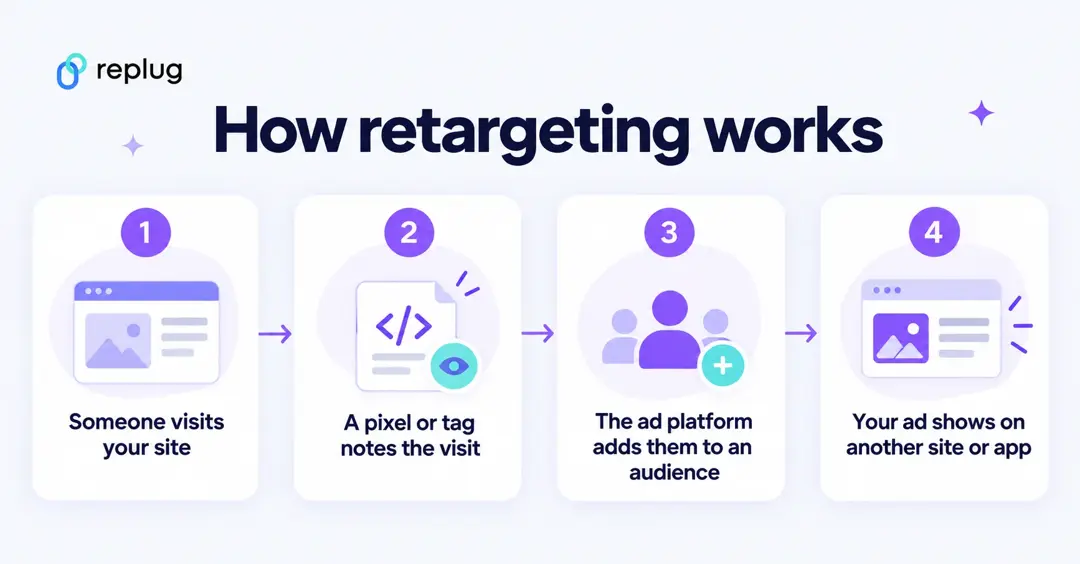
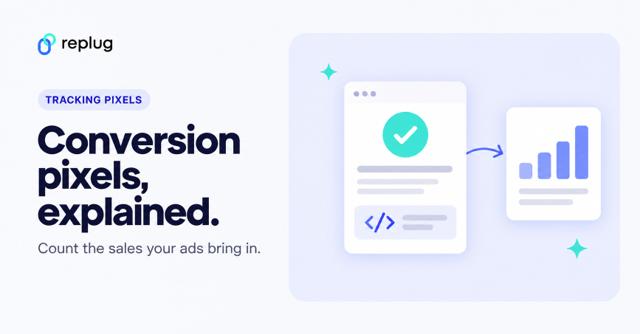
Social media networks provide a piece of code called “pixel” that goes into your website or landing page code that collects data about the user’s behaviors, actions, and performance. Usually, the social media platform guides users on how to insert the pixel code and where to insert it in the website code.
The network then groups the people behind those visits into an audience you can target, or exclude, in your next ad. Besides pixels, most networks also build audiences from people who engaged with your posts, videos or lead forms on the platform itself, and from customer lists you upload, which they match to their users with hashed emails or phone numbers.
Pixels record events such as page views, add-to-cart and purchases, tied to cookies or hashed identifiers, not passwords or card numbers. Ad platforms also restrict sending sensitive data, and in many regions you need visitors’ consent before a pixel fires, so check your cookie banner and privacy policy. Our retargeting guide covers consent in more detail.
Social media retargeting by network
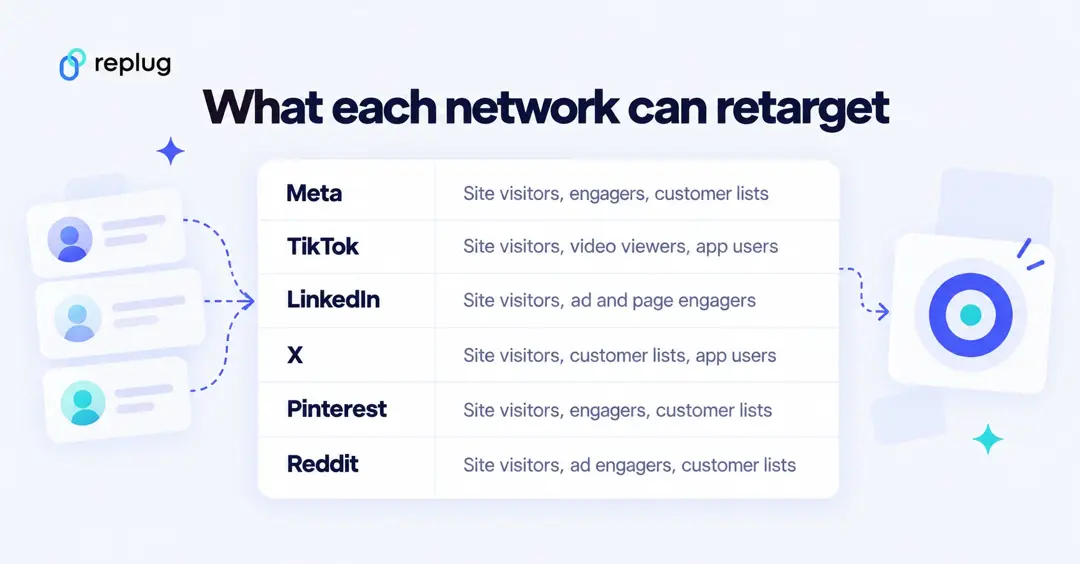
Every network names and limits its audiences a little differently. Here is what each one offers, from its own help pages (checked October 2026). For Google, display networks and retargeting tools beyond social media, see our comparison of retargeting platforms.
Facebook and Instagram (Meta)
Meta’s custom audiences cover people who interacted with your business (website visitors via the Meta Pixel, app users, catalog viewers, customer lists, offline activity) and people who engaged with your content on Facebook, Instagram, WhatsApp and Threads (video viewers, lead forms, Instagram account, Facebook Page, events, shopping). You can create up to 500 custom audiences per ad account (Meta Business Help), and a customer list file should include at least 1,000 customers (Meta’s formatting guidelines). Steps: how to set up a Facebook custom audience.
TikTok
TikTok Custom Audiences come from a customer file, website or app activity, engagement on TikTok, lead generation, your Business Account or a partner, and need 1,000 matched users before you can use them in an ad group (TikTok Business Help). More in our TikTok retargeting guide.
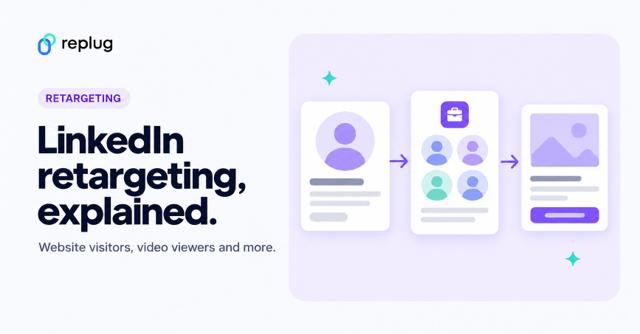
LinkedIn’s Matched Audiences can retarget member accounts that visited your website (with the Insight Tag), engaged with single image, document, video or conversation ads, opened or submitted a Lead Gen Form, engaged with your Company Page or responded to your LinkedIn Event (LinkedIn Help). An audience needs at least 300 member accounts before you can use it (LinkedIn Help). See LinkedIn retargeting.
X (Twitter)
X offers List, Website Activity (X Pixel or Conversion API), App Activity and App Activity Combination Custom Audiences. An audience needs at least 100 X users to be usable (X Help Center). See how to retarget on X.
Pinterest can target site visitors tracked by the Pinterest tag, customer lists of emails or mobile ad IDs, people who engaged with your Pins, and “actalike” audiences similar to an existing one. A customer list becomes usable once it has at least 100 matches (Pinterest Business help).
Snapchat
Snapchat supports Customer List, Website, Mobile App, Ad Engagement and Profile Engagement Custom Audiences, plus Lookalike and third-party audiences (Snapchat Business Help Center).
Reddit offers website retargeting with the Reddit Pixel or Conversions API (lookback from 1 to 90 days), customer lists, engagement retargeting of people who engaged with your ads in the past six months, and lookalikes. Custom audiences need between 1,000 and 1 million matches (Reddit Ads Help).
| Network | Website visitors | Engaged on the platform | Customer list | Minimum to use |
|---|---|---|---|---|
| Meta | Meta Pixel | Video, lead form, Page, Instagram and more | Yes | Customer list file: 1,000 customers |
| TikTok | TikTok Pixel | Videos, ads, LIVE, Business Account | Yes | 1,000 matched users |
| Insight Tag | Ads, Lead Gen Forms, Company Page, Events | Yes (Matched Audiences) | 300 member accounts | |
| X | X Pixel | Not in the custom audience types | Yes | 100 users |
| Pinterest tag | Pin engagement | Yes | 100 matches (customer list) | |
| Reddit Pixel | Ad engagement (6 months) | Yes | 1,000 matches |
Best tool for retargeting on social media platforms
Retargeting on social media with Replug
Replug is an excellent link optimization platform that offers several link management services, such as URL shortening, deep links, bio links, retargeting, A/B testing, and QR codes.
Your pixels only fire on your own website. When you share links to other pages on social media (a news story, a YouTube video, a partner’s product page), Replug’s link retargeting tool fires your pixels when someone clicks the short link, then sends them on. It supports Meta, Google Ads, Google Analytics 4, Google Tag Manager, X, LinkedIn, Pinterest, TikTok and Quora pixels, plus custom code for other platforms, on short links, bio pages and QR codes.
- In Settings > Retargeting Pixels, click Add Pixel, choose the network, paste the pixel ID and click Create.
- Create a campaign (Campaigns > Create new), turn on the Retargeting pixel add-on and select your pixels.
- Shorten your links in that campaign and share them in posts, bios and DMs.
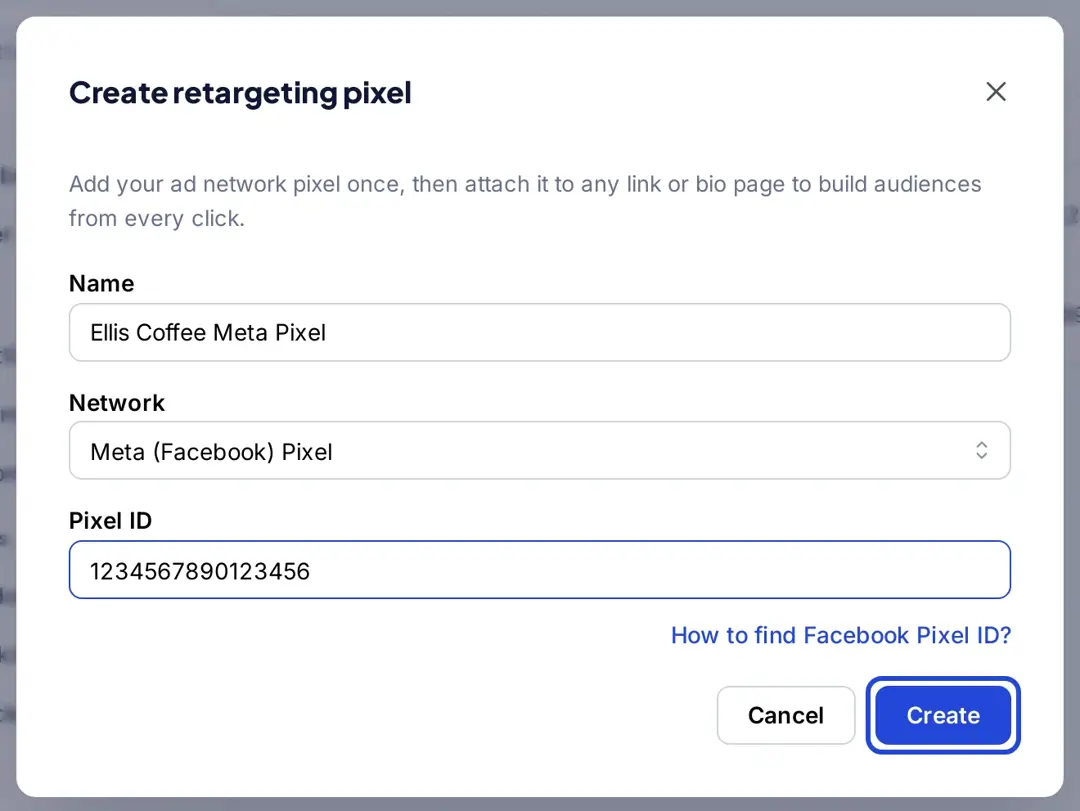
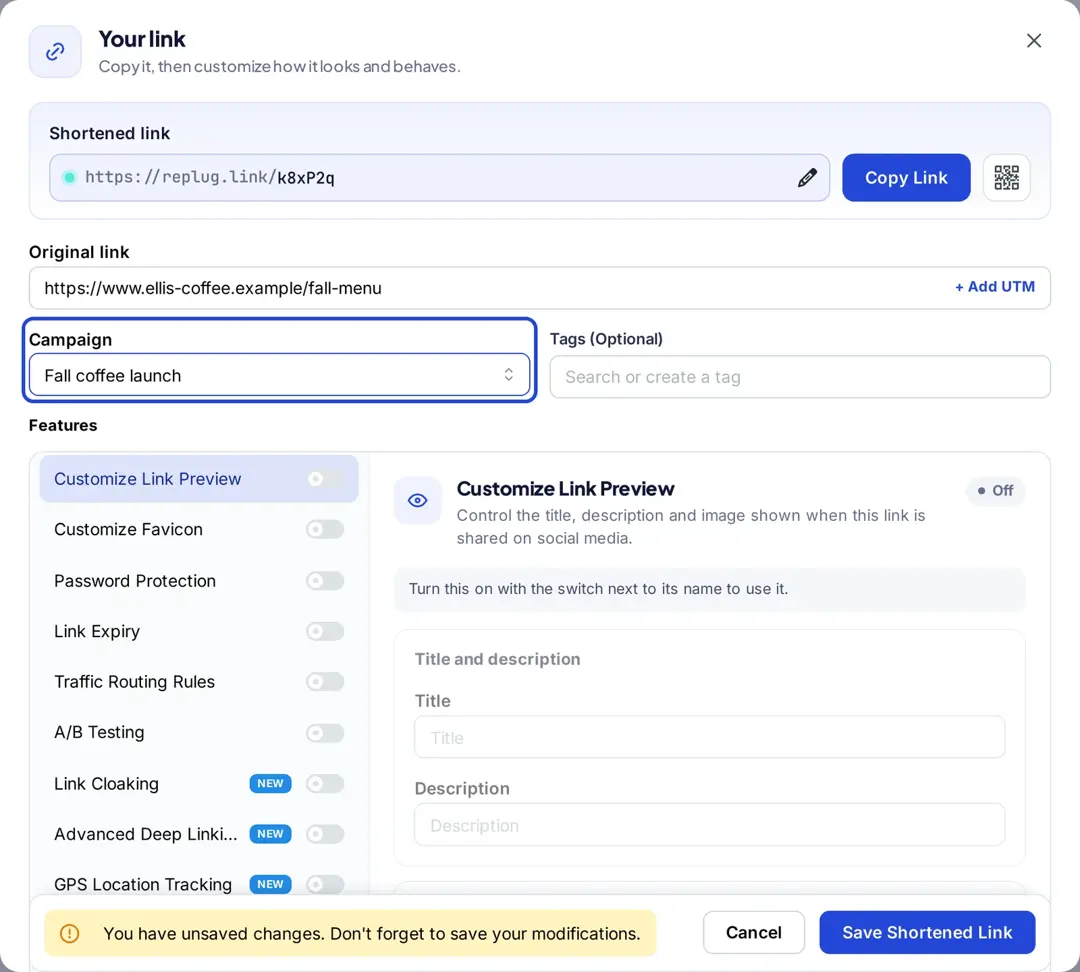
Retargeting pixels come with Essentials (1 pixel) and Scale and Agency (unlimited), per Replug’s pricing.
Social media retargeting benefits with Replug
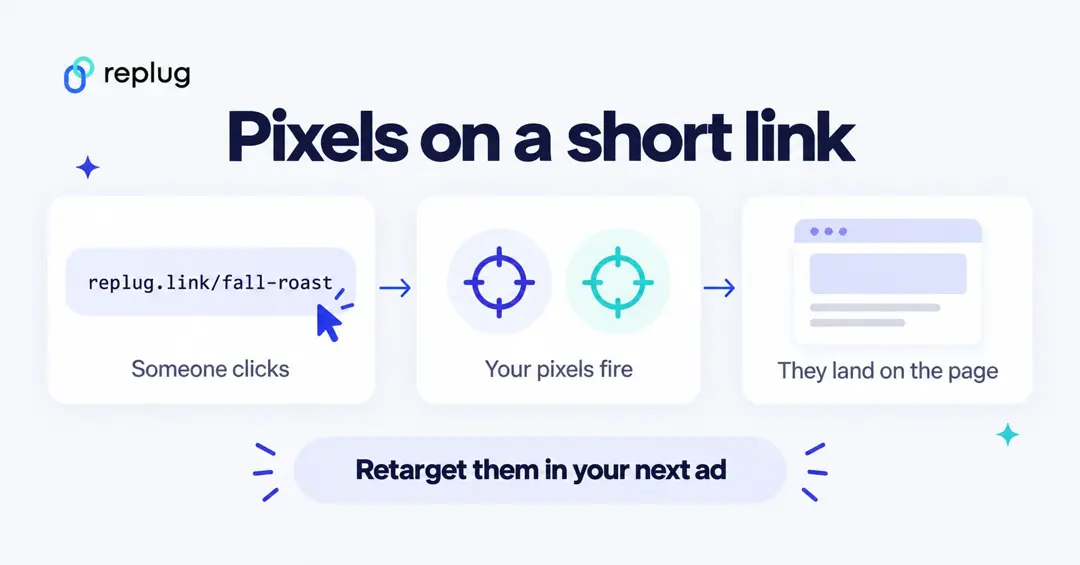
Retargeting on social media helps whether people come from your site or from links you share. Here is what adding pixels to your links adds, and what still depends on the pixel on your own site:
1. Audiences from every link you share:
People who click your links join your ad audiences even when the link points to a page you don’t own, so a post that sends traffic to a news story or a marketplace listing still grows your audience. To increase social media conversions, follow up with an ad that offers the next step.
2. Enhanced brand recall:
Reinforces brand awareness and recognition among potential customers with retargeting. This increases the likelihood of users remembering the brand when they are ready to make a purchase decision.
3. Personalized advertising:
Group links by topic in separate campaigns (for example one for running gear, one for hiking gear), so each pixel audience reflects an interest and the follow-up ad can match it.
4. Cost-effective marketing:
Retargeting lets you spend on people who already clicked or visited instead of only on cold audiences. Compare cost per result for retargeting and prospecting in your ad manager to see what it does for your account.
5. Cart and product reminders:
Many shoppers leave before they buy. Cart reminders need the pixel on your own store, which sees add-to-cart and checkout events; a short link can add people who clicked a product link you shared, so you can remind them of that product.
6. Cross-selling and up-selling opportunities:
With purchase events from your store’s pixel, retargeting can also promote related or complementary products to past buyers, which can raise order value.
7. Improved customer engagement:
By delivering relevant and timely ads, businesses can keep their brand top-of-mind and engage users throughout their customer journey. This ongoing interaction fosters stronger relationships with customers and encourages repeat purchases.
8. Measurable results:
Replug shows clicks, unique clicks, countries, cities, devices, browsers and referrers for each link and campaign. Conversions and sales from your retargeting ads are reported by the ad platforms and your site analytics; Replug doesn’t track conversions.
Top 3 social media retargeting strategies
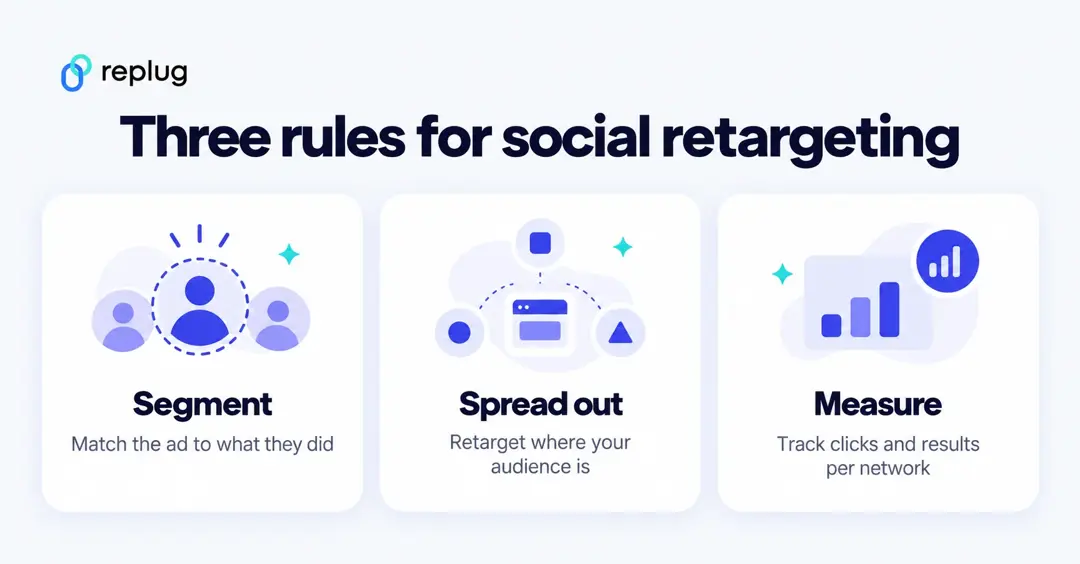
It’s always best to know the top priorities when it comes to the application of a marketing tactic. Here are the three social media retargeting strategies every marketer should know:
1. Target a specific audience
Creating an ad campaign tailored toward a specific audience is always better than shooting in the dark. One of the essential retargeting strategies a marketer can apply is to handpick a segment of the audience and serve them specific ads with a goal in mind.
Since retargeting does ensure that the ad shows to the specific audience, the offer must also be inclined toward the desire of the target audience.
For instance, if you’re retargeting the audience that has clicked on your accounting software page, you can create a limited-time discount offer on the very software for the specific audience to make a purchase. Now you can create a landing page for the offer and retarget the same audience to showcase the offer.
2. Retarget on multiple social media platforms
One of the easy wins when it comes to social media retargeting is that one should remarket across different social media platforms. If you’re using multiple social media platforms to share your content, interact with your followers, and build a community, then you must retarget the audience on all those platforms.
If you settle for just one social media platform like Facebook even when you have a decent number of followers on LinkedIn and Instagram, then you’d probably be missing out on a lot of sales and marketing opportunities.
3. Track campaign performance
Tracking is crucial to understanding user behavior, audience demographics, ad creative quality, and audience buying power. A reliable tracking system would enable advertisers to improve their campaigns going forward.
There can be different types of campaign tracking, such as URL tracking, heatmaps, conversion, etc – so, it’s up to the brand/advertiser that is launching the retargeting campaign.
For instance, if you’re tracking URL clickability, then you can use Replug to set up a branded short URL retargeting campaign using the method mentioned earlier in this article. The analytics section will keep you updated with all the statistics on the URLs in your retargeting campaign.
Remember that there is a whole heap of other retargeting strategies that can be implemented when running a social media retargeting campaign. However, the above-mentioned ones are the most fundamental yet meaningful.
Social media retargeting examples
Here are two retargeting ads we saw after visiting a site or opening an email (screenshots from 2024; private names in them are blurred):
1. OrangeHost is retargeting visitors on Instagram
OrangeHost is a web hosting company that uses retargeting.
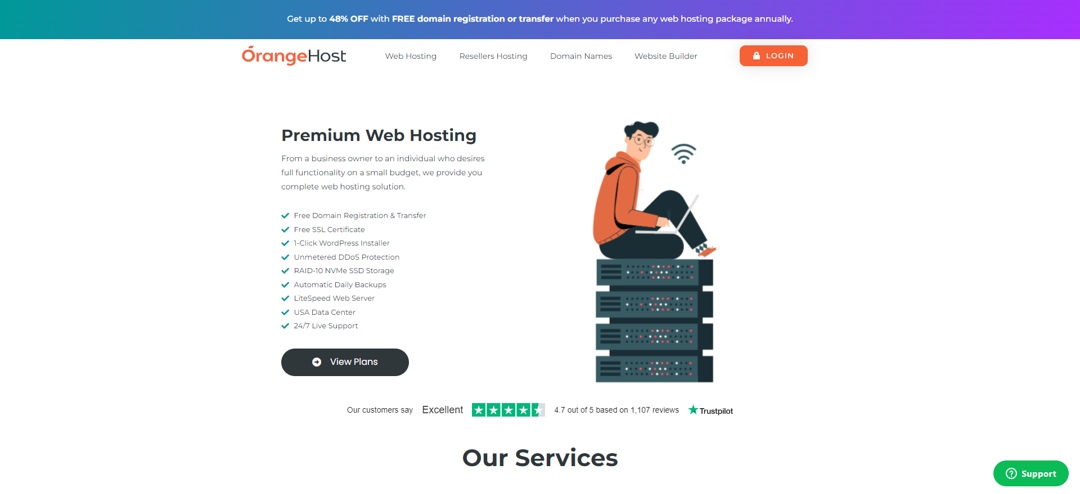
When a visitor lands on their website to go through the web hosting plans, the chances are that this person is going to see this Instagram ad at some point.
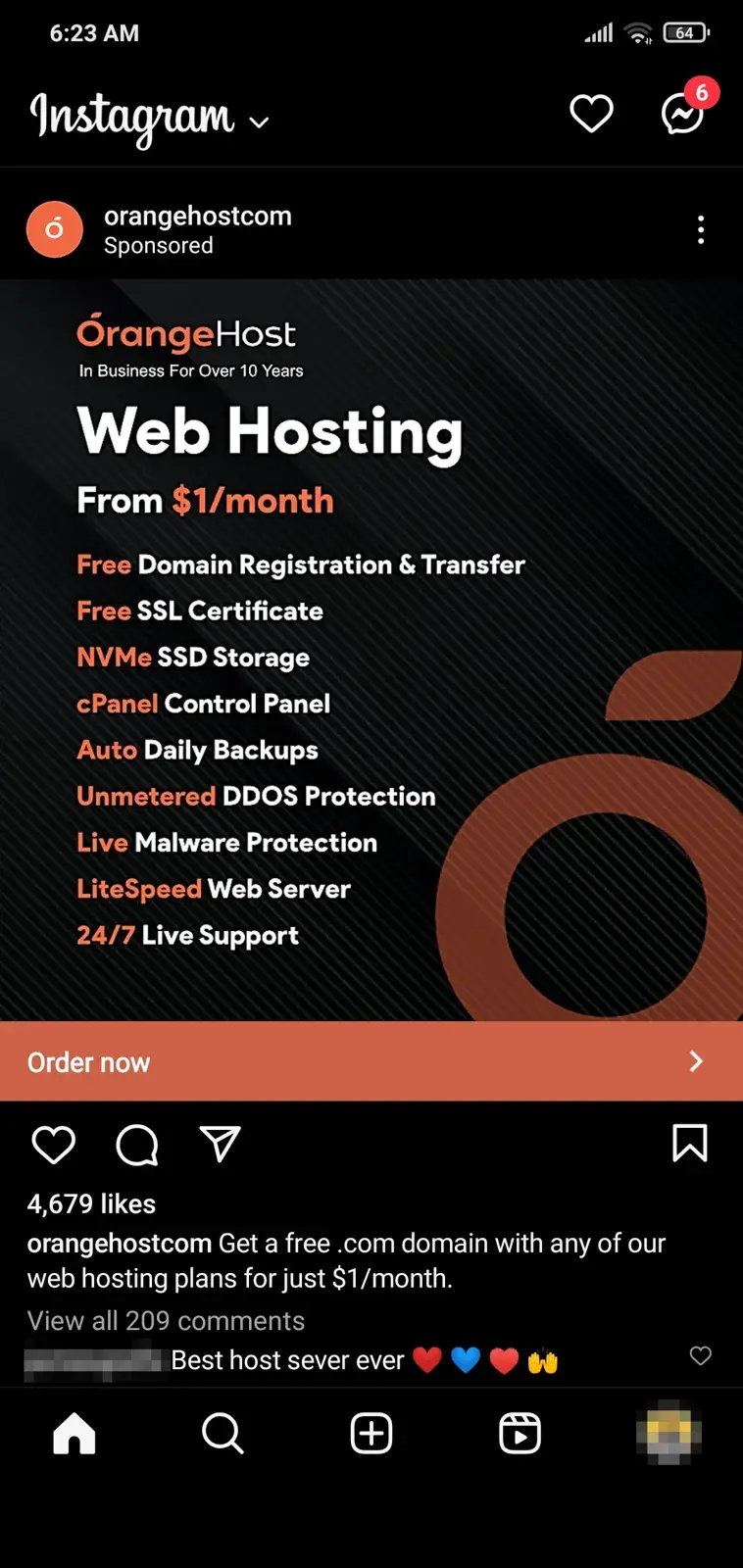
It’s a retargeting Instagram ad of OrangeHost – trying to convert their website visitors into paying customers.
Interesting, right?
2. Envato Elements is remarketing the audience on YouTube
Envato Elements is a creative marketplace that provides designers and creators with stock videos, photos, elements, icons, and much more.
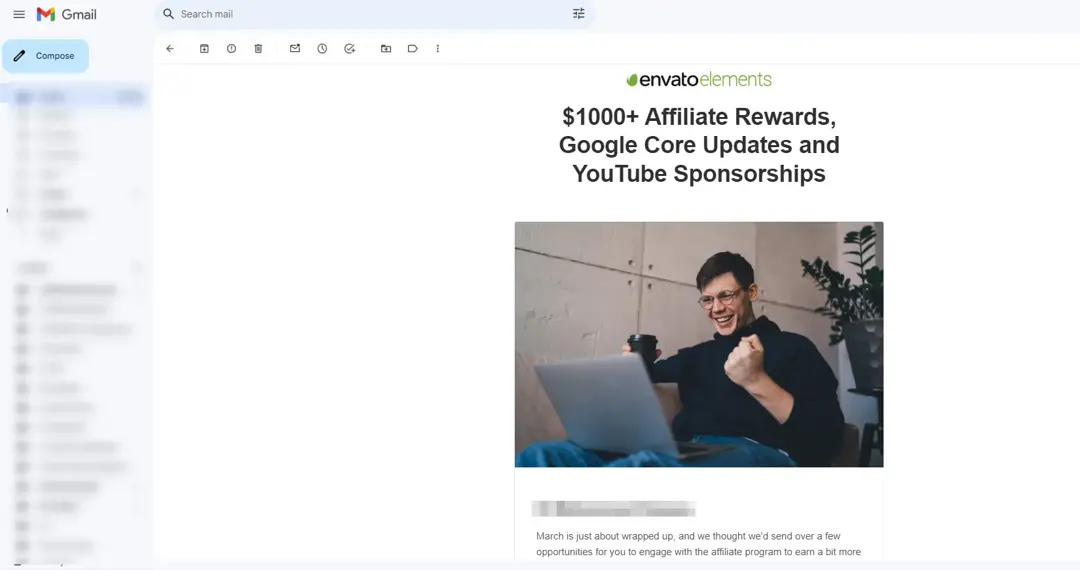
They also send out email newsletters to the members and affiliates. After opening one of their recent email newsletters, we now see their ads on YouTube.
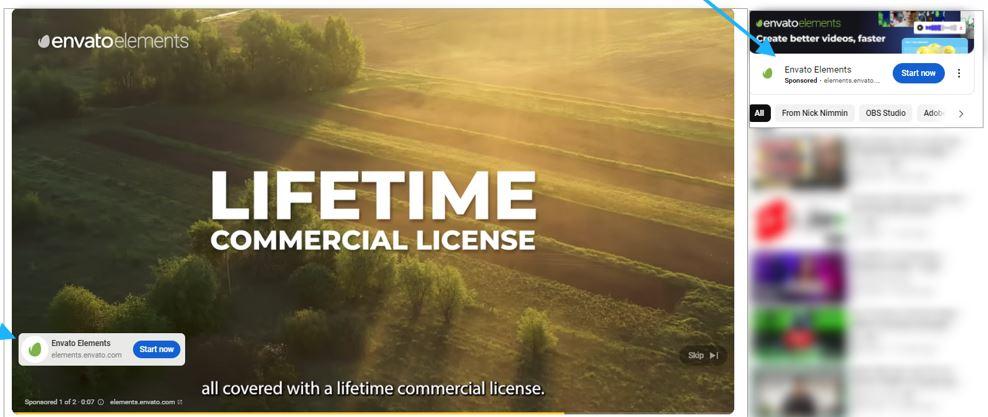
It seems like there is a retargeting campaigns is in place.
Social media retargeting: Success stories
Here is a documented social media retargeting success story:
1. Vedia works with Criteo to increase sales
Vedia, a Swiss online retailer, used Criteo’s dynamic retargeting to power Facebook dynamic ads. In a case study on its blog, Criteo reports that Vedia increased sales by 15% across all campaigns.
Criteo says combining its publisher network with Facebook let Vedia follow shoppers across the purchase path.
According to the same case study, campaign cost per order (CPO) fell by nearly 20% and cost of sale (COS) by 7%. The case study dates from when Facebook still called these Dynamic Product Ads; Meta now calls them Advantage+ catalog ads.
For more, see our retargeting ad examples grouped by type, from cart reminders to win-back ads. If you want urgency in your own ads, keep it honest and pair it with a clear call to action.
Let’s conclude: Ready to retarget visitors who click on your short links?
Social media marketing keeps changing: ad platforms add audience types, rename tools and tighten privacy rules. The basic idea of retargeting stays the same.
Since marketing is a crucial element of social media, brands, organizations, and agencies are trying to scratch the surface of social media platforms to create their dominance against competition.
Social media retargeting is a widely used engagement strategy by brands, influencers, and marketers. The purpose of discussing retargeting is to enlighten you with this opportunity to remarket your offer to prospects on social media.
If you share links on social media, the clicks on them are a signal of interest.
Social media retargeting using the power of Replug allows users to re-engage the audience that clicked on your short URLs and present them with an offer they can’t refuse.
The link analytics show clicks and unique clicks for each short URL; conversions are measured in your ad platforms and site analytics.
Replug has a free plan for short links; retargeting pixels start on Essentials, and bio links, deep links and A/B testing are available on the plans listed on the pricing page. Try it for free!
Let’s answer some of the burning questions about social media retargeting:
FAQs about social media retargeting

Mustafa Niazi